


If you’ve ever stood in the pet aisle wondering whether bentonite cat litter is the right choice for your cat, you’re not alone. Millions of cat parents across India use bentonite litter daily, trusting it to keep their homes clean and odor-free. But questions about safety keep coming up, and for good reason.
Bentonite clay litter dominates store shelves because of its clumping ability and affordability. But what’s really inside that bag? Is it safe for your cat to use every day? And what about the dust that sometimes fills the air when you pour it?
Let’s break down everything you need to know about bentonite cat litter safety, backed by research and expert opinions. By the end, you’ll have clear answers to help you make the best decision for your feline friend.
What Is Bentonite Cat Litter?
Before we talk about safety, let’s understand what bentonite actually is.
Bentonite is a type of natural clay formed from volcanic ash over millions of years. The clay consists mainly of montmorillonite, a mineral responsible for its unique absorption and swelling properties. Bentonite occurs in different forms, most commonly calcium bentonite and sodium bentonite.
When water touches bentonite, something interesting happens. Depending on the type, it can expand and absorb large amounts of moisture, forming a gel-like substance. While calcium bentonite has moderate swelling and strong absorption, sodium bentonite expands more aggressively.
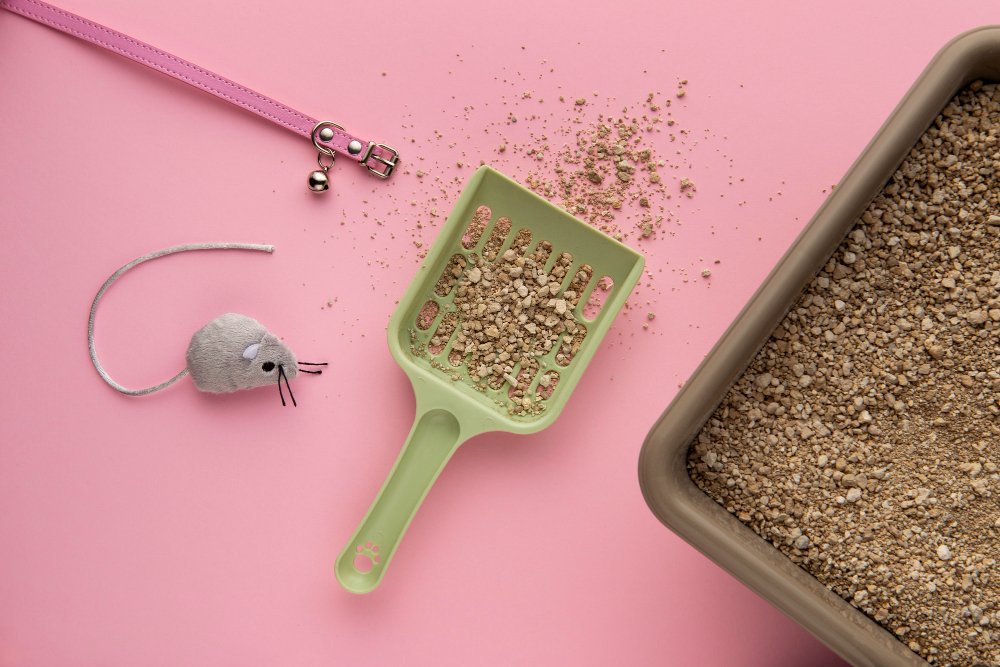
This swelling and absorption behavior is what makes bentonite effective in cat litter. When your cat uses the litter box, moisture activates the clay, causing it to clump together. You can then scoop out only the soiled portions and leave the clean litter behind, keeping the litter box cleaner and more economical.
Sodium vs Calcium Bentonite
There are two main types:
Sodium bentonite swells more and creates tighter clumps. This is the type most commonly used in clumping cat litters.
Calcium bentonite doesn’t swell as much but has different properties that make it useful in other applications.
For cat litter purposes, sodium bentonite dominates the market because of its superior clumping ability.
The Safety Question: Breaking Down the Concerns
Now we get to the heart of the matter. Is bentonite cat litter safe? The answer isn’t a simple yes or no. Let’s look at the specific concerns that researchers and veterinarians have studied.
Respiratory Health Risks
The biggest worry about bentonite litter centers on dust. Bentonite clay is naturally dusty and its dryness can cause respiratory problems if inhaled, not just for cats but humans as well.
Here’s what happens: When you pour bentonite litter or when your cat digs in it, fine dust particles become airborne. Some of these particles contain crystalline silica, which has been studied extensively for its health effects.
A research study found that the estimated potential exposures to airborne crystalline silica during cat litter scooping and replenishing tasks are considerably lower than recorded ambient levels measured across the U.S. This suggests that typical use doesn’t pose major risks for most people.
That said, individual circumstances matter. A case report detailed a woman who developed sarcoid-like lung disease and end-stage renal failure after 18 years of exposure to silica-containing bentonite cat litter. This was an extreme case involving prolonged exposure with nine cats.
The takeaway? For most households with typical use, respiratory risks appear minimal. But if you or your cat have existing respiratory conditions like asthma, the dust could worsen symptoms.
What About Ingestion?
Cats groom themselves constantly. When they walk out of the litter box, tiny particles stick to their paws and fur. During grooming, they swallow some of this material.
Bentonite clay litter is generally non-toxic for cats, which is reassuring. Small amounts that cats ingest during normal grooming typically pass through their digestive system without problems.
The concern arises when cats deliberately eat litter. This behavior, called pica, can occur in cats for various reasons including nutritional deficiencies, stress, or curiosity (especially in kittens).
If your cat shows any signs at all of eating foreign material such as litter, paper, or fabric, it is best to avoid litters with sodium bentonite because ingesting even a small amount of material can cause an impaction in the stomach or intestines.
Veterinarians report that bentonite is pretty inert and considered non-toxic when ingested in small amounts. The bigger risk is physical blockage rather than chemical toxicity, particularly because bentonite swells when wet.
Allergies and Sensitivities
Just like humans, cats can have allergies. Some cats react to bentonite dust or additives in the litter. Watch for these signs:
- Sneezing or coughing
- Watery eyes
- Excessive scratching
- Red, irritated skin
- Avoiding the litter box
If you notice these symptoms after switching to bentonite litter, your cat might be sensitive to it. A visit to the vet can help determine whether the litter is the culprit.
The Role of Quality and Formulation
Not all bentonite cat litters are created equal. This is where companies like CMS Industries come into the picture. As India’s leading bentonite manufacturer, CMS Industries produces multiple grades of bentonite for various applications, including specialized formulations.
The quality of bentonite matters for safety. Premium bentonite undergoes processing to reduce dust and remove impurities. Low-dust or dust-free formulas address the respiratory concerns we discussed earlier. Most modern clay litters, including those made from bentonite, are formulated to be low-dust or even dust-free, which significantly reduces the risk of respiratory problems.
When shopping for bentonite cat litter, look for these features:
- Low-dust or dust-free formulation
- No added fragrances (cats have sensitive noses, and artificial scents can be overwhelming)
- Minimal chemical additives
- Quality certification from reputable manufacturers
CMS Industries maintains ISO 9001:2015 certification and produces bentonite that meets strict quality standards. While they manufacture industrial-grade bentonite for applications ranging from drilling fluids to agriculture, the same commitment to quality control applies across their product range.
Benefits That Keep People Using Bentonite Litter
Despite the concerns, bentonite cat litter remains popular for solid reasons. Understanding these benefits helps you weigh the pros and cons.
Superior Clumping Ability
Bentonite can absorb several times its dry weight in liquid and expand up to 15 times its original size. This creates firm clumps that are easy to scoop. You remove only the soiled portions, making the litter last longer.
Odor Control
Bentonite clay is known to be very effective at absorbing odors like a natural deodorizer, and it has a neutral scent without any added fragrances. This keeps your home smelling fresh without overwhelming artificial scents.
Cost-Effective
Bentonite litter typically costs less than alternative options like silica gel or natural plant-based litters. Because it clumps well, you use less over time, stretching your budget further.
Availability
Walk into any pet store in India, and you’ll find multiple brands of bentonite litter. This widespread availability makes it convenient for most cat owners.
Safety Guidelines for Using Bentonite Cat Litter
If you choose to use bentonite litter, follow these practices to minimize any potential risks:
For You
- Wear a mask when pouring litter if you’re sensitive to dust or have respiratory conditions
- Pour slowly to reduce dust clouds
- Wash your hands thoroughly after cleaning the litter box
- Keep the litter box in a well-ventilated area
- Scoop daily to prevent bacterial growth and minimize dust exposure
For Your Cat
- Choose low-dust formulas to protect your cat’s respiratory system
- Monitor for allergic reactions when switching to a new litter
- Keep the litter box clean by scooping waste daily and replacing all litter weekly
- Watch for unusual behavior like eating litter, which could indicate health issues
- Transition gradually when changing litter types to avoid stress
For Kittens
Kittens deserve special consideration. Kittens, being in their formative stage, can be more vulnerable to the dust that some bentonite litters may produce. They’re also more likely to experiment with eating litter out of curiosity.
For kittens under 12 weeks, many veterinarians recommend non-clumping litter to eliminate ingestion risks entirely. Once your kitten is older and has stopped experimenting with eating litter, you can consider switching to bentonite if it suits your household.
Environmental and Disposal Considerations
Beyond personal safety, many cat owners wonder about the environmental impact of their choices—and dispose bentonite cat litter responsibly is a big part of that discussion.
Bentonite is mined from the earth through a process that involves removing surface layers. This form of strip mining can disturb local habitats and alter landscapes. In addition, used bentonite cat litter does not biodegrade once it reaches landfills, which adds to long-term waste concerns.
One thing you should never do when learning how to dispose bentonite cat litter: flush it down the toilet. When bentonite absorbs water, it swells significantly, which can block household plumbing and municipal sewer systems.
The correct way to dispose bentonite cat litter is to scoop the used litter into a sealed bag and place it in your household trash. This helps prevent odor, contamination, and plumbing damage.
For cat owners in India who are concerned about sustainability, understanding how to dispose bentonite cat litter properly is essential. While bentonite offers strong clumping and odor control, it also comes with environmental trade-offs that should be considered when choosing a litter type.
When to Consider Alternatives
Bentonite cat litter works well for many households, but certain situations call for alternatives:
You should consider other options if:
- Your cat or anyone in your household has asthma or respiratory sensitivities
- Your cat deliberately eats litter
- You have a kitten under 12 weeks
- You’re looking for more environmentally friendly options
- Your cat shows signs of allergies to the current litter
Popular alternatives include:
- Recycled paper litter: Low dust, softer on paws
- Wood pellets: Natural, biodegradable, good odor control
- Silica gel crystals: Very low dust, excellent absorption
- Plant-based litters: Made from corn, wheat, or other natural materials
Each alternative has its own pros and cons. The best choice depends on your cat’s preferences, your budget, and your priorities.
What Veterinarians and Experts Say
Concerns that bentonite clays will set up in a cat’s stomach are largely unfounded. In fact, over half of the cat litters sold today contain bentonite clay and have been proven safe for cats since their widespread introduction more than fifteen years ago. Bentonite is also widely used in food and beverage applications such as wine clarification, where precise usage is outlined in resources like bentonite gallon of wine demonstrating that its behavior and safety profile are well understood when applied correctly.
The European Food Safety Authority (EFSA) has assessed bentonite as a feed additive and concluded that bentonites are safe for all animal species, consumers, and the environment when used in complete feed according to established guidelines.
These authoritative opinions indicate that bentonite, when used as intended, poses minimal risk for most cats and their owners. The key phrase here is “when used as intended.” This means selecting high-quality products, following proper handling and disposal practices, and observing your cat for any unusual reactions—just as careful dosing and usage are essential in other bentonite applications like winemaking.
Making the Right Choice for Your Household
So, is bentonite cat litter safe? For most cats and their owners, yes. The evidence suggests that typical use of quality bentonite litter doesn’t pose significant health risks. Millions of households use it successfully every day.
That said, individual circumstances matter. Consider:
- Your cat’s health status and any existing conditions
- Whether anyone in your household has respiratory sensitivities
- Your cat’s behavior (does it eat litter?)
- The specific product you choose (dust-free formulas are safer)
- Your commitment to proper handling and maintenance
The safety of bentonite litter improves significantly when you select high-quality products from reputable manufacturers. Companies like CMS Industries, with their decades of experience in bentonite production and processing, contribute to the availability of properly refined bentonite materials in the market.
Final Thoughts
Choosing cat litter might seem like a small decision, but it directly affects your cat’s daily comfort and long-term health. Bentonite cat litter offers practical benefits that explain its widespread popularity. When used properly—and when you choose quality, low-dust formulas—it can be a safe and effective option for most households.
Sourcing matters. Reputable manufacturers such as CMS Industries follow controlled mining, processing, and quality-testing standards to produce bentonite cat litter with consistent clumping performance and reduced dust levels. Products from reliable suppliers are far less likely to cause respiratory irritation or tracking issues.
Always pay attention to your cat’s reactions. If you notice sneezing, coughing, paw irritation, or behavioral changes after introducing a bentonite litter, don’t ignore these signs. Your cat’s comfort and health should always come first.
Whatever you choose, remember that the safest cat litter is one that:
-
Suits your cat’s individual needs and sensitivities
-
Fits your household environment and cleaning routine
-
Is maintained properly through regular scooping and full litter changes
-
Comes from reliable sources with documented quality controls
By staying informed, selecting trusted manufacturers, and observing your cat closely, you can create a clean, comfortable, and safe litter environment that supports your feline companion’s well-being.
Frequently Asked Questions
Q: Can bentonite cat litter cause urinary tract infections in cats?
There’s no direct evidence linking bentonite litter to urinary tract infections. UTIs in cats typically result from bacteria, diet, or underlying health conditions rather than litter type. Keeping the litter box clean by scooping daily helps prevent bacterial growth that could contribute to infections.
Q: Is bentonite cat litter safe for pregnant women to handle?
Pregnant women should take precautions when handling any cat litter due to the risk of toxoplasmosis from cat feces, not because of the bentonite itself. Wear gloves, wash hands thoroughly afterward, or ideally have someone else clean the litter box during pregnancy. The bentonite clay itself poses no special risk to pregnancy.
Q: How often should I completely replace bentonite cat litter?
Even with daily scooping, completely replace all the litter and clean the box thoroughly every 1-2 weeks. This prevents odor buildup and bacterial growth. If you notice persistent smells even after scooping, it’s time for a complete change. For multi-cat households, you might need to do this weekly.
Q: Can I mix bentonite litter with other types of cat litter?
While you technically can mix different litters, it’s not recommended. Different litters have varying clumping abilities, textures, and absorption rates. Mixing them can create inconsistent clumping and make it harder to scoop effectively. If switching litters, transition gradually by mixing increasing amounts of the new litter over 7-10 days.
Q: Why does my cat track bentonite litter all over the house?
Bentonite has fine granules that stick to paws easily. To reduce tracking, try placing a textured mat outside the litter box entrance to catch particles. Choose a litter box with higher sides to keep more litter inside. Some brands offer larger granule sizes that track less but still clump well.