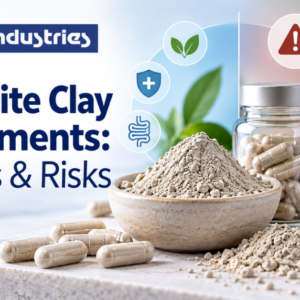



Bentonite clay has become a popular wellness trend, with people mixing this ancient mineral into their daily routines. But the big question is: can you safely drink bentonite clay every day? The answer is more complicated than you might think.
Let’s look at what science says about drinking bentonite clay, the real risks you should know about, and how to make smart choices if you’re considering adding it to your health routine.
What Is Bentonite Clay?
Foundry bentonite, a type of bentonite clay, forms when volcanic ash ages over long periods and mixes with water and specific minerals. Named after Fort Benton in Wyoming—where large deposits exist—this highly absorbent aluminum phyllosilicate clay is also known as montmorillonite clay, after the Montmorillon region in France.
People have used bentonite for centuries, both externally on skin and internally as a digestive aid. When mixed with water, it creates a paste or drinkable suspension. The clay carries a negative electrical charge that attracts positively charged toxins and heavy metals, which is why many people believe in its detoxifying abilities.
CMS Industries manufactures high-grade bentonite products for various industrial applications, including specialized grades used in water treatment and agriculture. While their primary focus is industrial bentonite, understanding clay quality matters when discussing any bentonite use.
The Science Behind Drinking Bentonite Clay
When you consume bentonite clay, it passes through your digestive system without being absorbed. Research published in the National Library of Medicine indicates that bentonite can bind to certain toxins in the gastrointestinal tract, particularly aflatoxins—harmful mold-derived compounds found in foods like peanuts and grains. It’s important to note that only food-grade bentonite is intended for internal use; bentonite cat litter, while often marketed as bentonite cat litter safe for pets, is not formulated or tested for human consumption.
Animal studies demonstrate that bentonite clay can reduce aflatoxin levels and even help restore liver function when toxin exposure occurs. The clay’s unique structure allows it to absorb up to 40 times its weight in positively charged substances, including some bacteria and toxins.
Here’s why that matters: by binding to these unwanted substances in your gut, bentonite clay theoretically helps remove them before they enter your bloodstream. This process, called adsorption, is the foundation of clay’s purported health benefits.
Potential Benefits of Drinking Bentonite Clay
Supporters of drinking bentonite clay point to several possible benefits:
Digestive Health Support The clay may help with nausea, bloating, and irregular bowel movements. Some studies suggest bentonite could support healthy gut bacteria by removing harmful substances that disrupt the digestive system. Research from 2024 published in ScienceDirect explored bentonite’s potential to protect intestinal flora during antibiotic use.
Toxin Removal Bentonite clay’s ability to bind to aflatoxins and potentially other toxins makes it attractive as a detox aid. While most toxin removal studies have been conducted on animals, early research shows promise.
Mineral Supplementation Bentonite naturally contains minerals like calcium, magnesium, iron, and potassium. When consumed, some of these minerals may be absorbed by the body, though the amounts are relatively small compared to dedicated mineral supplements.
Alkalizing Effects Proponents claim that bentonite clay helps balance the body’s pH by providing alkalizing minerals, though this effect hasn’t been extensively studied in humans.
The Critical Safety Concerns You Need to Know
Before you start drinking bentonite clay every day, you need to understand the serious risks involved.
Lead Contamination: A Major Problem
Here’s the most important thing: many bentonite clay products contain dangerously high levels of lead. The U.S. Food and Drug Administration has issued multiple warnings about bentonite clay products with elevated lead concentrations.
In 2016, the FDA warned consumers not to use “Best Bentonite Clay” after finding elevated lead levels. That same year, they issued another warning about “Bentonite Me Baby” by Alikay Naturals, sold at Target, Sally Beauty Supply, and Amazon. Laboratory testing found lead concentrations of 37.5 parts per million (ppm) in this product.
To put that in perspective, the FDA says lead levels above 0.05 ppm in fruit juice may constitute a health hazard. The bentonite product tested had 750 times more lead than this safety threshold.
A typical dose of 2 tablespoons of bentonite clay (about 20 grams) could deliver up to 765 micrograms of lead, according to FDA testing. Compare that to spinach, which contains approximately 0.3 micrograms of lead per 100-gram serving. The clay dose contains over 2,500 times more lead than the same weight of spinach.
Why Lead in Clay Is So Dangerous
Some manufacturers claim that lead in benefits of bentonite isn’t bioavailable, meaning your body won’t absorb it. This is false. When bentonite clay is consumed, stomach acid can release lead from the clay, allowing it to enter the bloodstream.
Studies confirm that clay-based cookware contributes to lead poisoning in children. The lead in bentonite is bonded in the same way as lead in ceramic pots, and both can release lead into the body.
The World Health Organization states: “There is no known level of lead exposure considered safe.” Even low-level lead exposure in children is associated with cognitive impairment, reduced IQ, and behavioral difficulties. In adults, lead exposure can damage the central nervous system, kidneys, and immune system.
Other Risks of Daily Bentonite Clay Consumption
Constipation and Digestive Blockage Bentonite clay absorbs significant amounts of water. If you don’t stay very well hydrated, the clay can cause severe constipation or even intestinal blockage. Medical literature reports cases where improper clay use led to serious digestive issues.
Medication Interference Bentonite can bind to medications in your digestive tract, reducing their absorption and effectiveness. You should take bentonite at least two hours away from any medications.
Mineral Depletion Long-term daily use may interfere with mineral absorption. While short-term use appears safe in studies, continuous use without breaks could potentially affect your body’s ability to absorb nutrients.
Unknown Long-Term Effects Most studies on bentonite consumption are short-term or conducted on animals. We don’t have robust human studies on what happens when people drink bentonite clay every day for months or years.
Safe Practices If You Choose to Drink Bentonite Clay
If you decide to use drinking bentonite clay despite the risks, follow these guidelines strictly:
Source High-Quality, Tested Clay Only use food-grade bentonite from reputable suppliers like CMS Industries who provide third-party testing results showing the product is free from heavy metals and contaminants. Never use clay intended for industrial, cosmetic, or cat litter purposes internally.
Start Small and Monitor Your Body Begin with just ½ teaspoon mixed in 8 ounces of water, once daily. Gradually increase only if your body tolerates it well. Never exceed 1 tablespoon per day without medical supervision.
Hydrate Extensively Drink at least 8-10 glasses of water throughout the day when using bentonite clay. The clay absorbs water in your digestive tract, so proper hydration is not optional.
Use Non-Metal Tools Bentonite clay reacts with metal, reducing its effectiveness. Use glass, plastic, or wooden utensils and containers when preparing clay drinks.
Take Breaks Don’t use bentonite clay continuously. Many practitioners recommend cycling use, such as 2-3 weeks on, then 1 week off, to prevent dependency and allow your body to maintain normal function.
Separate from Meals and Medications Take bentonite clay on an empty stomach, at least 2 hours away from food and medications. This maximizes effectiveness and prevents unwanted interactions.
Consult Healthcare Professionals Talk to your doctor before starting bentonite clay, especially if you have existing health conditions, take medications, are pregnant, or are breastfeeding.
Who Should Never Drink Bentonite Clay
Certain people should avoid drinking bentonite clay entirely:
- Pregnant or breastfeeding women
- Children under 18 years old
- People with existing kidney or liver problems
- Anyone taking prescription medications
- Individuals with a history of intestinal blockage or severe constipation
- People with compromised immune systems
The risks simply outweigh any potential benefits for these groups.
What Quality Matters: Understanding Bentonite Sources
Not all bentonite clay is created equal. CMS Industries, a leading bentonite manufacturer and exporter in India, produces various grades of bentonite for industrial applications including water treatment, agriculture, and civil engineering. While their products serve important industrial functions, this expertise underscores why clay quality and purity testing matter so much.
When bentonite is mined and processed for industrial use, the focus is on functional properties. For any internal consumption, the standards must be exponentially higher, with rigorous testing for contaminants, particularly heavy metals like lead, arsenic, and cadmium.
Alternatives to Daily Bentonite Clay Consumption
Given the risks, consider these safer alternatives for the benefits people seek from bentonite:
For Detoxification: Your liver and kidneys naturally detoxify your body. Support them by drinking plenty of water, eating fiber-rich foods, reducing alcohol intake, and limiting processed foods.
For Digestive Health: Probiotics, fermented foods, adequate fiber, and staying hydrated provide proven digestive benefits without the risks.
For Mineral Supplementation: Take tested, regulated mineral supplements with known amounts of each nutrient and verified purity.
For Skin Health: Use bentonite clay topically in face masks where lead exposure risks are lower (though still present). Some studies show bentonite face masks can help manage oily skin and acne when used 1-2 times weekly.
The Bottom Line on Daily Bentonite Clay Use
Can you drink bentonite clay every day? Technically yes, but should you? That’s much more questionable.
The FDA warnings about lead contamination are serious and well-documented. Even products marketed as “food-grade” have tested positive for dangerous lead levels. While some high-quality sources may exist, the risk of inadvertently consuming a contaminated product is real.
The scientific evidence for bentonite’s benefits in humans is limited, while the evidence of lead contamination is substantial. Most benefits people seek from bentonite clay can be achieved through safer, better-studied alternatives.
If you choose to use CMS Industries, do so occasionally rather than daily, source from rigorously tested suppliers, maintain excellent hydration, and monitor your body’s response closely. Better yet, consult a healthcare provider about evidence-based alternatives that can deliver similar benefits without the contamination risks.
Your health is too important to gamble on a trend that carries documented risks, even if it comes from nature. Natural doesn’t always mean safe, and in the case of bentonite clay, caution is warranted.
Frequently Asked Questions
Q: How much bentonite clay is safe to drink daily?
Most sources recommend starting with ½ teaspoon mixed in 8 ounces of water, potentially increasing to 1 teaspoon for regular use. Never exceed 1 tablespoon per day without medical guidance. Quality matters enormously, so source only tested, food-grade clay. Stay very well hydrated and take breaks every few weeks.
Q: Can bentonite clay help with weight loss?
Limited research suggests bentonite clay might support weight loss as part of a healthy diet, but it’s not a magic solution. One small study showed weight loss in men using bentonite over 21 days, but the study design makes it hard to attribute results solely to the clay. Focus on proven weight loss methods like balanced nutrition and exercise.
Q: Will drinking bentonite clay remove toxins from my body?
Bentonite clay can bind to certain toxins like aflatoxins in the digestive tract, based on animal studies. But your body already has excellent detoxification systems (liver and kidneys). The clay may introduce lead and other heavy metals rather than removing them, according to FDA testing. Supporting your natural detox systems through hydration and healthy eating is safer.
Q: How long does it take to see results from bentonite clay?
Some people report feeling increased energy or improved digestion within the first week. Any genuine effects from toxin binding would occur during transit through your digestive system (24-48 hours). Be skeptical of dramatic claims, and remember that placebo effects are powerful. Monitor actual, measurable changes rather than subjective feelings.
Q: Is bentonite clay safe for children?
No. Children should not consume bentonite clay. The FDA has specifically warned about lead poisoning risks in children who use bentonite products. Lead exposure is particularly dangerous for developing brains, causing cognitive impairment and reduced IQ. Even topical use on children should be avoided or discussed with a pediatrician first.