


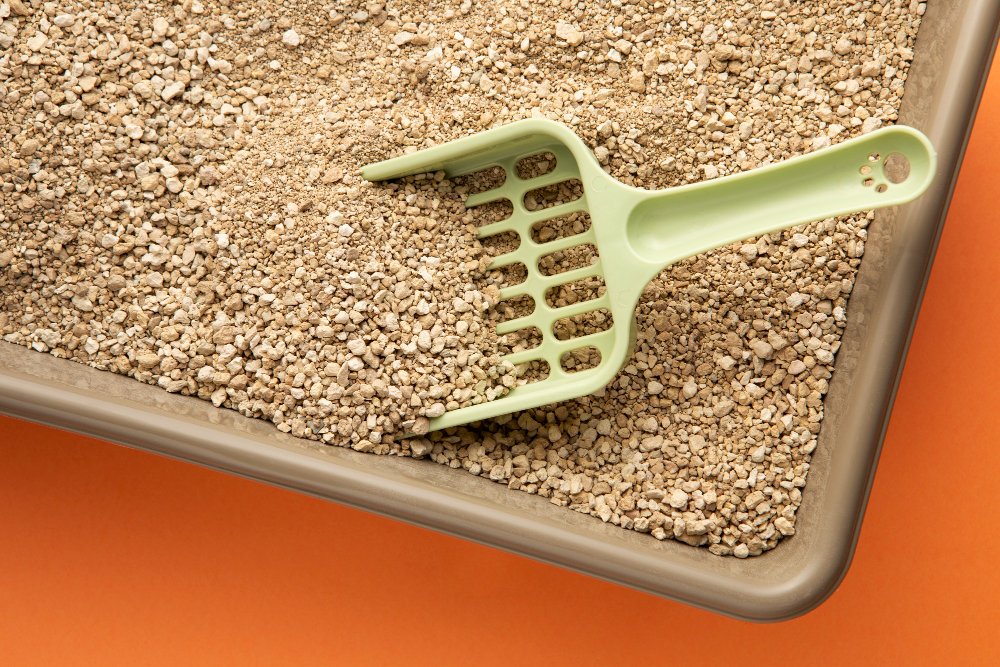
The confusion is not new if you’ve stood in the pet aisle and stared at ten different bags of litter. Bags say “clumping”, “crystal”, “mineral”, or “natural clay”, and none of them tell you what your cat actually needs. The short answer is that bentonite vs mineral litter for cats are two different materials that solve the same problem in different ways. One traps and clumps waste; the other absorbs it like a sponge.
Here’s how to break it down so you can make a choice that suits your cat, your home, and your budget.
What Is Bentonite Litter?
Bentonite is a natural clay extracted from the earth and formed over millions of years from weathered volcanic ash. The clay’s primary mineral, montmorillonite, endows it with a unique property: it expands when it encounters liquid.
Two forms are used in litter:
- Sodium bentonite gets much bigger when it gets wet—up to 15 to 20 times its dry size. This type is what makes clumping cat litter, which turns liquid into a solid ball.
- Calcium bentonite swells much less and is more commonly used in other industries for its absorbent, non-clumping properties.
When your cat uses the tray, the sodium bentonite granules absorb the urine in seconds, binding together to form a solid clump. Scoop out the clump, and the rest of the litter stays dry. Bentonite has been the most common base for cat litter for decades, and with good reason.
What Is Mineral (Silica/Crystal) Litter?
Mineral (silica or crystal) litter is made from small beads of silica, which is like a type of sand. These beads don’t stick together or make lumps like bentonite. Instead, they soak up liquid like a dry sponge.
A few things to know:
- The litter’s silica gel is amorphous silica gel, not the crystalline silica in construction dust. But once breathed in, the two are very different.
- Solid waste still needs to be scooped out on a daily basis, but the crystals themselves often last for three to four weeks before they have to be changed, as they hold moisture rather than form clumps.
Beads are lighter and produce less visible dust when poured than clay.
Bentonite vs Mineral Litter for Kitty: Quick Comparison
Here’s a simple side-by-side for you to scan fast.
| Factor | Bentonite Litter | Mineral (Silica) Litter |
| How it works | Swells and clumps around waste | Absorbs liquid into pores, no clumping |
| Cleaning method | Scoop out clumps daily | Scoop solids daily and stir litter |
| Replacement frequency | Every 1-2 weeks (top up as needed) | Every 3-4 weeks |
| Dust levels | Higher, especially cheaper grades | Generally lower |
| Weight | Heavier bags | Lighter bags |
| Cost per bag | Lower upfront cost | Higher upfront cost |
| Biodegradable | Yes, it is a natural clay | No, it does not break down |
| Cat acceptance | Familiar texture, most cats take to it easily | Some cats dislike the texture at first |
Clumping Power and Odour Control
This is where the two materials differ the most. Bentonite sets up very quickly on contact, so the odours are trapped within that lump, not emitted through the tray. One scoop takes the mess away completely, and owners who like a clean daily routine tend to like this.
Silica litter handles odour differently. It traps liquid in its pores and activated bentonite powder and its uses, rather than clumping, so smell control depends on how much surface area is exposed to air. Most cat owners find it does a good job on odour for a few weeks, until the beads reach their limit of absorption and need topping up.
Dust and Health Considerations
Dust is a big worry for households with cats or those with breathing sensitivities. Fine clay dust can be released when pouring or digging into lower-grade bentonite litters and is bentonite clay a binder, and this dust can contain trace crystalline silica, which should be kept away from young kittens or anyone with asthma. This is achieved by processing bentonite through proper drying and sieving to better quality grades.
Silica gel litter is amorphous silica that is chemically different from crystalline silica, which has been associated with lung problems in industrial settings. It generally produces less airborne dust when pouring, which is why some vets suggest it for cats or owners sensitive to respiratory issues. Still, no litter is 100% dust-free, so good ventilation around the tray always helps.
Price, Availability, and Bulk Sourcing in India
Another reason why Indian pet stores continue to prefer bentonite litter to silica litter is that bentonite litter is also cheaper per kg. It is also readily available in local shops and online, as the raw clay is mined and processed in the country.
But price is not the only consideration in sourcing consistent, food-grade quality bentonite for pet brands and private label sellers. Besides CMS Industries, several others process bentonite clay for use in cat litter and subject it to rigorous quality checks before supplying it in bulk quantities to litter brands in India and abroad. If you are in the pet care business and you need a reliable raw material partner, working with a well-established bentonite supplier like CMS Industries helps to keep your product quality consistent batch after batch.
Because it is made in an energy-intensive process, silica litter is usually more expensive and is often imported or made in fewer specialist plants, keeping the retail price at the higher end.
Environmental Impact
Bentonite is a natural clay and will break down over time, and it does not have the same disposal issues as synthetics. “It is mined, though, and large-scale mining does leave a footprint, so responsible sourcing from mines with proper land reclamation practices matters.”
Silica gel is not biodegradable. It is made by processing silica sand in a very energy-intensive process, and once used, it goes straight to landfill. It’s not a compostable option, but the longer lifespan per bag does mean less total waste volume over months, which does balance things out a bit.
Which One Should You Choose for Your Kitty?
There is not a single right answer here. See what matters most to your household.
- Opt for bentonite if you want strong clumping, easy daily scooping, and a lower price point, and you don’t mind a slightly heavier bag or a bit more dust during pouring.
- If you or your cat has respiratory sensitivity, want to do fewer full changes each month, and are okay with a higher cost per bag, then mineral (silica) litter is the one for you.
- Don’t use bentonite on very young kittens, say under 12 weeks old, because curious kittens sometimes nibble at the litter, and the swelling clay can cause digestive problems if eaten in quantity. A safer non-clumping alternative until that habit is gone.
- Try it on your cat first. Some cats are fussy about texture and will not use a tray that feels or smells foreign to them, so change litters gradually by mixing the new with the old over a week or two.
Most Indian homes still prefer bentonite due to its lower price and easy scooping, but an increasing number of urban pet owners are trying silica litter for its less dust and longer span between changes.
Final Thoughts
Both bentonite and mineral litter work, just differently. Bentonite uses the natural clumping power of millions of years of geology, and silica uses a manufactured sponge-like structure. In the end, it comes down to your cat’s habits, your budget, and the ventilation in your house.
CMS Industries offers processed grades of bentonite suitable for clumping cat litter and other bentonite applications used across industries in India. If you are a pet product manufacturer looking for sourcing quality bentonite for litter production.
Frequently Asked Questions
- Is bentonite litter safe for cats?
Yes, bentonite litter is safe for most healthy adult cats when used as directed. Kittens under 12 weeks need care, as they might nibble on litter, and a large amount of swelling clay can upset digestion if swallowed.
- Which litter controls odour better, bentonite or mineral?
Bentonite traps odour within hard clumps almost immediately, whereas mineral litter takes moisture into its pores more slowly. Both do well with smell when scooped and topped up on a regular schedule.
- Does mineral litter last longer than bentonite?
Yes, mineral litter usually lasts 3 to 4 weeks per fill for one cat (compared to 1 to 2 weeks for bentonite), because silica does not need constant topping up once clumps have been removed.
- Is bentonite litter dusty?
Bentonite pouring can be dusty, particularly in the lower grades. Good, properly dried bentonite from a reputable manufacturer creates much less dust than poor-quality substitutes.
- Which litter is more budget-friendly in India?
Bentonite litter is generally cheaper per kilogram and easier to find in Indian stores, as it is mined and processed locally. Mineral litter costs more but doesn’t need changing as often.