


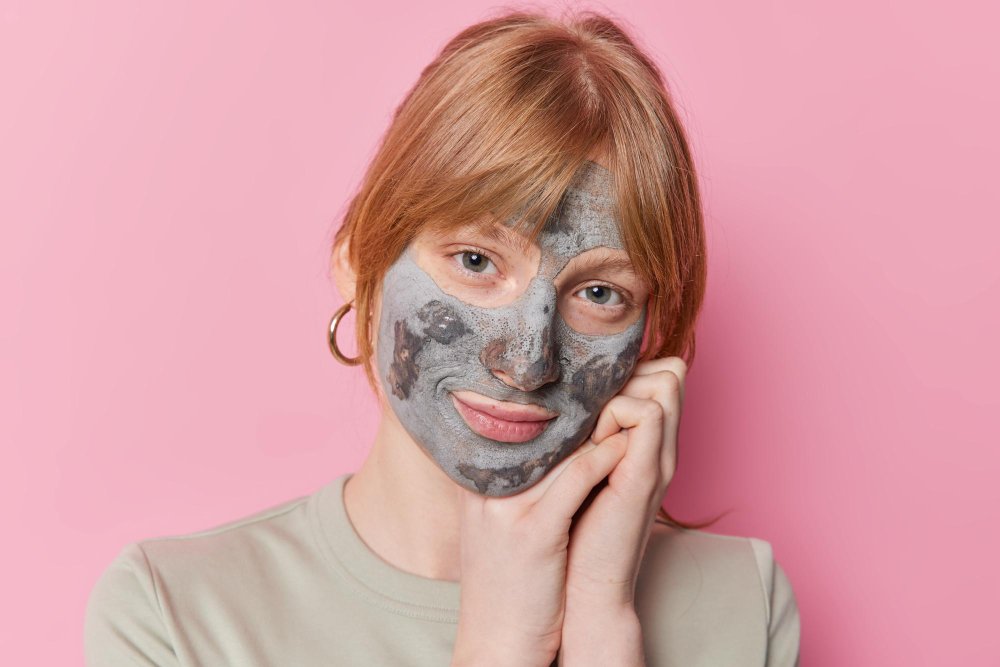
If you’ve ever had to deal with a deep, painful bump beneath your skin that just won’t go away, you know cystic acne is a different beast than a regular pimple. It’s understandable that you’d try a natural remedy like clay before you turn to something more potent. But will bentonite clay help cystic acne, or is this one of those home remedies that sounds better on social media than it actually works in real life? We’ll look at what the clay actually does, what it can’t do, and where it fits into a realistic skincare routine.
What Is Cystic Acne, Exactly?
Before we get into clay, it helps to know what you’re actually working with. Cystic acne is the most serious type of acne. According to the Cleveland Clinic, it happens when pus-filled acne cysts form deep beneath the surface of the skin, and these bumps are typically large, painful, and prone to scarring.
A cyst, unlike a superficial whitehead, forms when oil, dead skin cells, and bacteria become trapped deep inside a hair follicle. The inflammation goes deep below the surface layer of the skin, which is why surface treatments often do not work.
How Bentonite Clay Works on the Skin
Bentonite clay is made up of weathered volcanic ash, and its primary component is a mineral called montmorillonite. When you add water, this takes on a negative electrical charge, which pulls in oil, dirt, and other positively charged particles that rest on the surface of your skin.
But not all bentonite is processed equally. Bentonite manufacturers such as CMS Industries produce different grades of the mineral for varying uses, from industrial use to a cosmetic-grade bentonite intended for use in skin and personal care products. The grade and purity of the clay matter, because a cosmetic-grade product is processed and tested differently than bentonite intended for construction or drilling. This is why bentonite clay is so commonly found in face masks marketed for oily or acne-prone skin.
It does really well at:
- Absorbs excess sebum (the oil your skin naturally produces)
- Extracting surface dirt and residues from open pores
- Leaving skin feeling matte and cleaner immediately after rinsing
- Instantly reduces visible redness and shine
This is a real and useful function for those with oily skin or mild, surface-level breakouts. The problem is that all of this is happening on the surface of the skin, not deep inside a clogged follicle where an actual cystic breakout lives.
So, Will Bentonite Clay Help Cystic Acne?
In truth, bentonite clay is not going to clear up a cystic breakout that you already have, all by itself. Dermatologists are pretty much in agreement and bentonite clay for constipation on this. Clay masks are a great tool for oily skin or mild breakouts, as one skincare expert noted in an article for LovelySkin, but “if you have hormonal or cystic acne, don’t expect a clay mask to fix it”.
That matches up with how cystic acne actually forms. As Medical News Today notes, bentonite’s oil-absorbing qualities may help in reducing oiliness and calming some inflamed breakouts, but more research is needed before it can be considered a genuine acne treatment, cystic or otherwise.
In a nutshell, clay can hold a regimen for oily or breakout-prone skin. This is not intended to treat a deep, hormone-driven cyst.
Why Cystic Acne Needs a Different Approach
Cystic acne is not just surface oil. It tends to be a combination of things that a topical clay mask simply can’t reach.
- Hormones. Androgens can send the skin’s oil glands into overdrive, and this hormonal trigger sits well below the surface.
- Bacteria are trapped deep in the hair follicle. The infection that causes a cyst is deep within the skin, beyond the reach of a product that works primarily on the surface.
- Genetics. According to WebMD, people are more likely to develop severe cystic acne if one of their parents had it (WebMD, “Cystic Acne: Definition, Causes, Treatment, and Prevention,” WebMD, 2014, https://www.webmd.com/skin-problems-and-treatments/cystic-acne).
- Inflammation. Profound. By the time you can feel a tender lump under your skin, the inflammation has already gone beyond the point where a surface mask does much good.
This is the reason OTC options with natural ingredients like clay often fall short against a true cyst. The American Academy of Dermatology says that dermatologists and bentonite clay good for rashes can successfully treat almost any case of acne, but the treatment usually needs to be more than what you can buy at a drugstore.
Where Bentonite Clay Can Actually Help
None of the above means bentonite clay is useless for your skin. It just means use it for the right job.
Here’s where it can actually be useful:
- Regulating daily oiliness. Using a clay mask once a week can help control shine between breakouts.
- Supporting a routine for mild superficial acne. Clay is better for blackheads and small surface pimples than for deep cysts.
- Calming skin following a workout or a day of sweat and makeup buildup.
- Complementing (not replacing) a regimen of active treatment. Many people use a clay mask once or twice a week in conjunction with dermatologist-prescribed products, as long as their skin is not dry or irritated already.
How to Use Bentonite Clay Safely on Acne-Prone Skin
If you want to try it as a supporting step in your routine, just keep it simple.
Combine bentonite clay powder with water in a non-metal bowl until you get a smooth, spreadable paste.
- Use a thin, even layer on clean, dry skin. Avoid open cysts or broken skin.
- Let it sit for 10-15 minutes. Don’t let it dry and crack completely, as that can draw moisture from your skin.
- Rinse with lukewarm water.
- Finish with a light oil-free moisturiser.
- Do not use it more than two or three times a week, as it can dry your skin out too much.
Always patch test on a small area first, especially if your skin is sensitive or already inflamed. If you’re buying bentonite clay for your face, look for a product that says specifically that it’s cosmetic-grade. Companies like CMS Industries post this information on their product pages, making it easier to see what grade of clay you are actually putting on your skin.
When to See a Dermatologist Instead
If you experience large, painful bumps that don’t respond to over-the-counter products, or breakouts that keep recurring in the same spots, it’s time to see a dermatologist. Professional treatment reduces your risk of scarring and infection, according to the Cleveland Clinic, and treatments like topical retinoids, oral antibiotics, or hormonal medication get to the root of the problem in ways a clay mask can’t. If you wait too long on a true cyst, you increase your chances of permanent marks, so it’s worth getting a professional opinion sooner rather than later.
The Bottom Line
Bentonite clay is a solid, low-cost tool for managing oily skin and mild breakouts, but it’s not a cure for cystic acne. It’s good at pulling up surface oil and debris, but cystic breakouts are caused by bacteria and hormones deeper in the skin, where no mask can get. Incorporate clay as a helpful step in your routine, and if you notice anything that looks like a true cyst, see a dermatologist.
Frequently Asked Questions
Can bentonite clay get rid of a cystic pimple overnight?
No. Cystic acne is deep in the skin, and no topical mask can clear it overnight. For quick relief, a dermatologist can give you a cortisone injection on a single stubborn cyst.
Is bentonite clay safe for sensitive, acne-prone skin?
Generally, yes, but drying. Initially, use once a week, followed by a moisturiser, and stop using it if redness, tightness, or irritation develops and does not disappear after rinsing.
How often should I use a bentonite clay mask for acne?
The typical guideline is twice to thrice weekly. Using it daily can strip your skin of its natural oils and cause your skin to produce even more oil, which can lead to worse breakouts over time.
What actually works for cystic acne if clay doesn’t? D
antibiotics, benzoyl peroxide, hormonal treatments like spironolactone, or isotretinoin for severe cases. The right one depends on your skin and history.
Can I mix bentonite clay with other ingredients for acne?
Yes, a lot of people mix it with water, apple cider vinegar, or aloe vera. Do not mix with harsh acids or scrubs on the same day, as this can over-strip and irritate already inflamed skin.