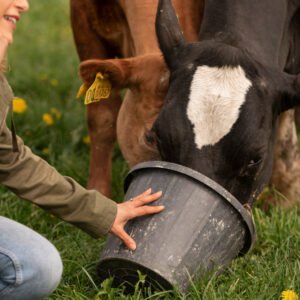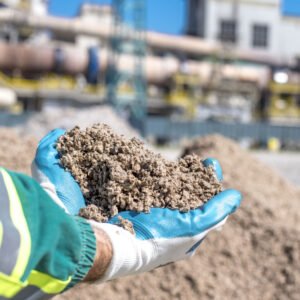




If your dog eats grass, digs into soil, or chews on strange things during walks, they might actually be following an ancient biological instinct. Animals have been seeking out clay-rich earth for thousands of years, and for good reason. Calcium bentonite clay, formed from volcanic ash that has mineralized over millions of years, turns out to be one of nature’s more interesting tools for supporting animal health.
Pet owners and holistic veterinarians have been paying closer attention to the benefits of calcium bentonite clay for dogs’ health over the last decade, and the science, while still growing, gives real reasons to take it seriously. This isn’t a fringe supplement. Bentonite has been studied in veterinary contexts, appears in animal feed formulations, and has a track record that goes well beyond anecdote.
Here is what makes calcium bentonite clay different from its sodium-based cousin: it has a lower expansion rate in water, which makes it gentler on the digestive system and more suitable for internal use in pets. At CMS Industries, a leading bentonite manufacturer and exporter based in Gujarat, India, their calcium bentonite product is described as having “higher healing and detoxifying properties,” which makes it well-suited for animal-related applications.
Let’s break down the seven main benefits backed by research and practical use.
1. Natural Detoxification: Pulling Toxins Out of the Body
This is the one most people hear about first, and it’s well-supported.
Calcium bentonite clay carries a natural negative electrical charge on its surface. Most toxins, heavy metals, and harmful chemicals carry a positive charge. When the clay enters the digestive tract, it acts like a magnet, binding to those positively charged particles and carrying them out of the body in the stool before they can be absorbed into the bloodstream.
The clay is what’s called polycationic, meaning it attracts multiple types of positively charged particles simultaneously. This makes it effective against heavy metals like lead and mercury, pesticide residues, and free radicals. For dogs who spend time outdoors, eat commercial kibble (which can sometimes contain mycotoxins from mold in grain ingredients), or have been exposed to environmental chemicals, this detoxifying action can make a real difference over time.
The absorption capacity of bentonite clay is notably high, with some sources noting it can absorb many times its own weight in toxins. This isn’t just a selling point. It’s the structural reason the clay works.
2. Digestive Support and Diarrhea Relief
One of the most cited clinical uses for calcium bentonite clay in dogs is managing digestive upset, particularly diarrhea.
A 1961 clinical study showed that oral bentonite resolved diarrhea in 97% of cases across a range of causes, including viral infection, food allergy, and food poisoning. While this predates modern research standards, it continues to be referenced in veterinary nutrition discussions because the results were so striking.
More recently, research published by Wedgewood Pharmacy studied calcium aluminosilicate, a form of bentonite clay safe for dogs, in dogs undergoing chemotherapy. In that trial, 65% of dogs who hadn’t responded to conventional diarrhea treatments showed complete symptom resolution within 48 to 72 hours after clay treatment.
Here is why it works: the clay physically absorbs excess fluid and harmful bacteria in the gut, which firms up loose stools. It also soothes the digestive lining, creating a more stable environment for healthy gut bacteria to thrive. For dogs with inflammatory bowel issues or sensitive stomachs, this soothing, binding action can offer meaningful short-term relief.
One important note: clay should be given on an empty stomach, and at least two hours should pass before giving food, supplements, or medications.
3. Mycotoxin and Aflatoxin Binding in Dog Food
This benefit is less talked about but arguably one of the more practical ones for dog owners who feed commercial pet food.
Aflatoxins are toxic compounds produced by certain molds that grow on grain-based ingredients. They are highly toxic to the liver and, at elevated levels, are known to contribute to serious illness. amazing benefits for bentonite clay safe for your skin clay has been studied specifically for its ability to bind aflatoxins in the gut before they can be absorbed.
The clay’s strong adsorption properties mean it grabs onto these mold-derived toxins and escorts them out through the digestive tract. Several animal feed manufacturers now add bentonite to feed formulations specifically for this protective purpose. It’s one of the reasons bentonite has an established presence in the animal feed industry.
If your dog’s food contains corn, wheat, or other grain ingredients, this protective mechanism is worth knowing about.
4. Skin Health and Wound Care
The benefits of calcium bentonite clay for dogs’ health extend well beyond the gut. Applied topically as a paste, the clay has several practical uses for skin problems.
When mixed with water and applied to hot spots, minor rashes, insect bites, or small wounds, bentonite clay draws out bacteria and soothes inflammation. Dog owners have reported that wounds treated with a clay poultice healed faster and with less sign of infection. A 2026 study published in PLOS One found that bentonite applied topically in a bacterial skin infection model physically bound bacteria, reduced inflammatory markers, and supported the skin’s moisture barrier, giving scientific backing to what many pet owners had already been using empirically.
How to make a simple skin paste:
- Measure equal parts food-grade calcium bentonite clay powder and water.
- Mix in a glass or ceramic bowl (never metal, which can interfere with the clay’s charge).
- Stir until you get a smooth, spreadable consistency.
- Apply a thin layer to the affected area.
- Let it dry for 10 to 15 minutes, then rinse with warm water.
For generalized itchiness or mild allergic skin reactions, you can dissolve half a cup of food-grade clay in a full bathtub of warm water and let your dog soak for 10 to 20 minutes. Rinse thoroughly afterward.
5. Kidney and Liver Support
This is one of the more specific veterinary applications for bentonite clay.
Bentonite is a natural phosphate binder. Dogs with kidney disease often struggle with excess phosphates and urea that the kidneys can no longer clear efficiently. Bentonite clay can bind these waste products in the gut, reducing the burden on the kidneys and helping dogs feel better, with improvements often seen in appetite and energy levels.
Research has also shown that bentonite promotes the movement of urea from the blood into the intestine, where it can be cleared, while inhibiting the reabsorption of urea in the gut. This is a practical mechanism for supporting dogs in early to moderate kidney disease.
On the liver side, studies have shown that bentonite was able to restore liver function markers in animals exposed to toxins, without significantly interfering with normal nutrient digestion. For dogs with liver stress, whether from medication, exposure to toxins, or chronic disease, this protective function is worth discussing with a veterinarian.
6. Trace Mineral Supplementation
Calcium bentonite clay isn’t just a binder. It’s also a source of naturally occurring trace minerals.
The clay contains over 70 trace minerals, including calcium, magnesium, silica, iron, and potassium. These minerals are in a bioavailable form, meaning the body can actually absorb and use them, rather than passing them through unused. For dogs whose diets may be lacking in mineral diversity, this supplementary mineral content can contribute to better bone health, immune function, and coat condition over time.
This is particularly relevant for dogs fed highly processed commercial foods, where mineral content can be inconsistent. CMS Industries, which supplies calcium bentonite for animal feed applications, notes that its calcium bentonite product carries higher healing and detoxifying properties alongside this mineral-rich profile, making it a dual-purpose ingredient in both nutrition and detox contexts.
7. Oral Health and Dental Support
One of the less obvious but well-supported uses for calcium bentonite clay is dental hygiene.
The clay’s ability to pull impurities from whatever surface it contacts makes it a natural fit for oral care. When used as part of a toothpaste or applied directly to the gums and teeth, it draws out bacteria, reduces plaque, and can help freshen breath. Its fine texture also provides gentle mechanical abrasion, helping to physically dislodge buildup without damaging enamel.
For dogs who are resistant to brushing, the clay can be mixed with a small amount of water to form a thin paste and rubbed onto the teeth with a finger or soft cloth. Consistent use can lead to visibly cleaner teeth and healthier gum tissue over time.
This is one area where the clay works both mechanically and chemically, which makes it more effective than most single-mechanism dental products.
How to Use Calcium Bentonite Clay for Dogs Safely
Before getting started, here are the practical guidelines:
- Use food-grade clay only. Industrial or cosmetic grades may contain additives not safe for internal use.
- Start small. A common starting dose is 1/8 teaspoon per 10 pounds of body weight, mixed into a small amount of water.
- Give on an empty stomach. Wait at least two hours before or after food, medications, or other supplements.
- Never use metal bowls or utensils. Metal interferes with the clay’s electrical charge and reduces its effectiveness.
- Keep water available at all times. Bentonite absorbs water from the bowel. Dehydration is a real risk if fresh water isn’t consistently available.
- Consult a veterinarian first, especially if your dog has kidney disease, is on medications, or has any chronic health conditions.
- Avoid long-term daily use without veterinary supervision. Short-term use (a few days to two weeks) is generally well-tolerated. Extended daily use without a break may interfere with nutrient absorption.
Calcium vs. Sodium Bentonite: What’s the Difference?
Pet owners often run into both types and wonder which to choose.
Sodium bentonite swells more aggressively in water and has stronger binding properties. It is more commonly used in industrial applications like oil drilling, civil engineering, and pond sealing. Calcium bentonite has a lower expansion rate but is considered gentler on the digestive system, making it the preferred type for direct supplementation in dogs. For internal use, calcium bentonite is the standard recommendation.
FAQs: Calcium Bentonite Clay for Dogs
Q1: How much calcium bentonite clay should I give my dog daily?
A starting dose of 1/8 teaspoon per 10 pounds of body weight, mixed into water, is commonly recommended for dogs. Always begin with a smaller amount to see how your dog responds, and consult your veterinarian before making it a regular part of your dog’s routine. Never exceed recommended doses without professional guidance.
Q2: Can calcium bentonite clay help with my dog’s diarrhea?
Yes, calcium bentonite clay is one of the better-studied natural remedies for dog diarrhea. It works by absorbing excess fluid and binding bacteria in the gut. A clinical study found it resolved diarrhea in 97% of cases. For mild, short-term digestive upset, it can be a practical first-line option before a vet visit.
Q3: Is calcium bentonite clay safe for puppies and senior dogs?
Puppies, older dogs, and dogs with existing health conditions require veterinary advice before you introduce any new supplement, including bentonite clay. These groups are more sensitive to changes in digestion, hydration, and nutrient absorption. Always get a professional sign-off for vulnerable animals.
Q4: Can I use calcium bentonite clay on my dog’s skin?
Yes. Mixed with equal parts water to form a paste, food-grade calcium bentonite clay can be applied to hot spots, minor wounds, insect bites, and irritated skin. Leave it on for 10 to 15 minutes, then rinse thoroughly with warm water. Avoid areas your dog can easily lick, and never use industrial-grade clay on skin.
Q5: Where does quality bentonite clay for animals come from?
High-quality animal feed bentonite typically comes from established manufacturers who test for purity and heavy metal content. CMS Industries is one of India’s largest bentonite producers, supplying food-grade and animal feed-grade calcium bentonite with documented mineral profiles. Sourcing from verified, tested suppliers is the most reliable way to ensure what you’re giving your dog is actually safe.