


Walk down any pharmacy aisle or scroll through Instagram, and you’ll see the debate playing out in real time: natural clay-based toothpastes on one side, tried-and-tested fluoride formulas on the other. Both camps have vocal supporters, but what does the actual science say?
This post breaks down the differences between calcium bentonite clay toothpaste and fluoride toothpaste, looks at what researchers and dental organizations have found, and helps you make a smarter choice for your oral health.
What Is Calcium Bentonite Clay and How Does It Work in Toothpaste?
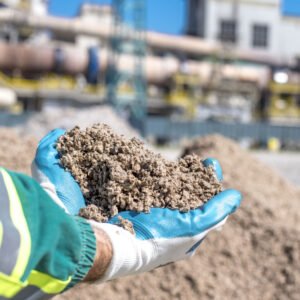
Calcium bentonite is a naturally occurring clay mineral, also known as Montmorillonite clay, formed from volcanic ash deposits. It is rich in minerals including calcium, magnesium, silica, sodium, copper, iron, and potassium, and is widely recognized for its antibacterial and detoxifying properties.
When used in toothpaste, calcium bentonite clay primarily acts as a mild abrasive and pH buffer. Oral surgeons have noted that bentonite clay is abrasive enough to remove plaque but not so much that it damages enamel, and it is described as a natural polisher that helps reduce acidity in the mouth. That alkaline quality is a real benefit, because harmful bacteria in the mouth thrive in acidic environments.
Research on natural toothpaste formulations containing bentonite clay suggests it plays a role in the gentle removal of plaque from the tooth surface, and may also help maintain oral pH while reducing bacterial count due to its buffering and antibacterial activity.
As a mineral supply company that works directly with bentonite in various industrial and cosmetic applications, CMS Industries has detailed product pages on calcium bentonite specifically. Their CMS CALCIUMBENT® grade is noted for its higher healing and detoxifying properties, which aligns with why cosmetic-grade calcium bentonite has become a popular ingredient in oral care products.
What Is Fluoride Toothpaste and How Does It Protect Teeth?
Fluoride has been used in toothpaste for over 70 years, and its track record on cavity prevention is backed by an enormous body of research. Here is how it works: when bacteria in your mouth break down sugar, they produce acid that dissolves minerals from your enamel. Fluoride steps in to interrupt that cycle.
Fluoride helps prevent cavities by strengthening enamel and remineralizing early decay. The American Dental Association (ADA), American Academy of Pediatric Dentistry, and the World Health Organization have reviewed extensive clinical research on fluoride and confirmed that appropriate dosages are carefully regulated to balance risk and benefit.
Studies examining over-the-counter fluoride toothpaste on cavity incidence in children and adolescents found the fraction of cavities prevented ranged from 16% per tooth to 31% per surface versus placebo or no toothpaste, confirming that fluoride-containing toothpaste is effective in caries control.
The American Association for Dental, Oral, and Craniofacial Research recommends fluoride-containing toothpastes at 1,000 to 1,500 ppm be used routinely twice daily to prevent caries effectively.
Calcium Bentonite Clay Toothpaste vs. Fluoride Toothpaste: A Direct Comparison
Here is a side-by-side look at how the two stack up across the areas that matter most:
Cavity Prevention
This is where the gap is widest. No clinical studies currently support the claim that clay can remineralize teeth or provide cavity protection comparable to fluoride toothpaste. Fluoride, by contrast, has decades of peer-reviewed research confirming its effectiveness. Studies prove that water fluoridation combined with fluoride toothpaste continues to be effective in reducing tooth decay by at least 25% in children and adults.
Plaque Removal and Cleaning
Both options help with plaque removal through mild abrasion. Bentonite clay sits at just 1.5 to 2.0 on the Mohs hardness scale, making it less abrasive than plain baking soda, which means it is gentle on enamel. Fluoride toothpastes typically contain other mild abrasives like silica, and the ADA tracks this using the Relative Dentin Abrasivity (RDA) scale to confirm products stay within safe limits.
Mineral Content
Clay proponents point to the mineral-rich nature of calcium bentonite as a benefit, and that argument has some logic behind it. Calcium, magnesium, and silica and bentonite clay safe for skin are all present in tooth structure. The silica and calcium in volcanic bentonite clay are thought to support enamel remineralization while preventing surface damage, and the clay is also credited with maintaining pH balance in the oral environment. That said, these properties have not been validated in large-scale human clinical trials the way fluoride’s have.
Safety and Regulatory Oversight
This is where calcium bentonite clay toothpastes face their most serious challenge. In 2016, the U.S. Food and Drug Administration warned about elevated levels of lead in bentonite clay products with directions for topical application and oral ingestion. The FDA regulates and approves toothpaste, unlike bentonite clay products. Fluoride at the levels found in toothpaste is considered safe, whereas there is no safe level of lead.
Not all bentonite clay safe for dogs carries this risk. Quality and sourcing matter enormously. Reputable manufacturers test for heavy metal contamination and verify mineral profiles before supplying clay for cosmetic or oral care use. Companies like CMS Industries, which produce cosmetic-grade bentonite, follow quality standards as part of their ISO-certified manufacturing process.
Antibacterial Properties
Clay has a documented edge here that fluoride toothpaste does not replicate on its own. Scientific studies show that bentonite clay can absorb negatively charged toxins including mycotoxins, mold, fungus, and bacteria. This adsorption ability makes it a useful complement to mechanical cleaning, even if it is not a substitute for fluoride’s enamel-strengthening chemistry.
What the Dental Community Says
The position of mainstream dental organizations is consistent. The ADA will only place its Seal of Acceptance on products with fluoride, and a product earns that seal by submitting clinical data to the ADA Council on Scientific Affairs demonstrating safety and efficacy for caries prevention.
The CDC has recognized water fluoridation as one of the ten greatest public health achievements of the 20th century, and more than 100 health organizations recognize the cavity-fighting benefits of fluoride, including the World Health Organization and the American Medical Association.
That does not mean natural alternatives are dismissed outright. The dental community does acknowledge that patients seeking fluoride-free options deserve safe alternatives. Nano hydroxyapatite (nHA), a naturally occurring mineral that makes up the main inorganic component of human teeth and bones, is frequently used as a remineralizing agent in fluoride-free toothpaste and is considered a safe and effective alternative to fluoride for certain populations.
Who Might Benefit From Clay-Based Toothpaste?
Despite the evidence gap, some people have practical reasons for choosing clay-based toothpaste:
- Fluoride sensitivity or allergy: A small number of people report sensitivity to fluoride and prefer alternatives.
- Young children who tend to swallow toothpaste: Parents should supervise young children brushing to ensure they use only a grain of rice-sized amount of fluoride toothpaste and avoid swallowing it. Some parents feel more comfortable with a clay paste during this stage.
- Those seeking minimal synthetic ingredients: For people committed to natural formulations, a well-sourced, heavy-metal-tested calcium bentonite toothpaste can still support basic oral hygiene when combined with regular dental check-ups.
- As a supplemental product: Some people use clay toothpaste occasionally for its detoxifying and pH-balancing properties while using fluoride toothpaste as their primary daily option.
The Sourcing Question: Why Clay Quality Matters
If you are going to use a calcium bentonite clay toothpaste, sourcing is not a minor detail. It is the difference between a genuinely safe product and one that poses health risks. Calcium bentonite from food-grade or cosmetic-grade supply chains, sourced from mines with consistent testing protocols, is a very different product from unregulated clay sold online without third-party verification.
Industrial calcium bentonite manufacturers like CMS Industries who supply cosmetic-grade bentonite operate under verified quality standards, which is the baseline any oral care company should meet before formulating a toothpaste ingredient. Any brand using bentonite clay in its products should be able to show certificates of analysis confirming the absence of heavy metals above safe limits.
The Verdict: Which Is Better?
Here is the short answer:
- For cavity prevention: Fluoride toothpaste wins clearly. The clinical evidence behind fluoride is decades deep and globally endorsed by major health organizations.
- For gentle cleaning and pH support: Calcium bentonite clay offers real, though less studied, benefits as a mild abrasive and antibacterial agent.
- For overall safety: Choose calcium bentonite clay only from manufacturers with verified, tested, heavy-metal-free sourcing. Unregulated clay products carry genuine risk.
- Best combination approach: Use fluoride toothpaste twice daily as your dentist recommends, and consider a quality clay formulation as an occasional addition to your routine, not a replacement.
The debate between natural and conventional oral care is unlikely to end soon, but you do not have to pick a side blindly. Read the evidence, check the sourcing, and talk to your dentist about your individual cavity risk before making a switch.
FAQs: Calcium Bentonite Clay Toothpaste vs. Fluoride Toothpaste
- Can calcium bentonite clay toothpaste replace fluoride toothpaste for cavity prevention?
Not based on current evidence. Fluoride has extensive clinical backing for preventing tooth decay. Calcium bentonite clay offers mild cleaning and pH-balancing benefits, but no large-scale human trials confirm it can prevent cavities as effectively as fluoride toothpaste does.
- Is bentonite clay toothpaste safe to use daily?
It can be safe when sourced from reputable manufacturers who test for heavy metals, particularly lead. The FDA has flagged some unregulated bentonite clay products for elevated lead levels. Always check for a certificate of analysis or third-party testing before using any clay-based oral care product regularly.
- Does fluoride in toothpaste cause any harm?
At recommended levels found in standard toothpaste, fluoride is considered safe by the ADA, CDC, and WHO. The main concern is dental fluorosis in young children who swallow large amounts, which is why children under 3 should use only a tiny, rice-grain-sized amount under adult supervision.
- What makes calcium bentonite different from other clays used in toothpaste?
Calcium bentonite has a naturally higher calcium content and is valued for its detoxifying and healing properties. It sits at around 1.5 to 2.0 on the Mohs hardness scale, making it one of the gentler abrasive options available. Kaolin clay is another common type used in oral care, with similarly low abrasivity.
- Are there fluoride-free alternatives that actually work for remineralization?
Yes. Nano hydroxyapatite is the most research-backed fluoride-free alternative. It is a naturally occurring calcium phosphate mineral that makes up a significant portion of human tooth enamel, and clinical studies show it can support enamel remineralization and reduce cavity risk, particularly in children who swallow toothpaste.