


Bentonite clay has been used for thousands of years, from ancient medicinal practices to modern skincare routines. You’ve probably seen it advertised as a detox agent, face mask ingredient, or natural remedy. But does bentonite clay benefits have any real scientific evidence behind these claims, or is it just another wellness trend? Let’s break it down.
What Exactly Is Bentonite Clay?
Bentonite clay forms when volcanic ash ages over time. It gets its name from Fort Benton, Wyoming, where large deposits were first discovered. Scientists also call it montmorillonite clay, named after Montmorillon, France, another location with significant deposits.
This natural clay contains minerals like calcium, magnesium, silica, sodium, and iron. When mixed with water, it forms a thick paste. What makes bentonite special is its negative electrical charge, which allows it to attract positively charged particles like toxins, bacteria, and heavy metals.
Companies like CMS Industries process bentonite for various applications, from industrial uses to cosmetic-grade products. The quality and purity of bentonite can vary based on its source and processing methods.
Scientific Evidence for Bentonite Clay: What Research Shows
Toxin Binding and Aflatoxin Absorption
One of the most well-documented benefits of bentonite clay involves its ability to bind to aflatoxins. Aflatoxins are poisonous compounds produced by certain molds that contaminate food supplies and can damage the liver.
A review published in the Iranian Journal of Public Health examined over 2,500 scientific articles and found about 100 studies specifically on bentonite’s effects on body function. Researchers discovered that bentonite reduced water aflatoxin concentration by 66% in a 1989 study.
Animal studies have consistently shown that adding bentonite to aflatoxin-contaminated feed helps restore liver function and reduces toxicity. In pigs, bentonite supplementation partially restored liver function without greatly affecting mineral metabolism. Similar results appeared in rabbit studies, where bentonite improved reproductive function that had been damaged by aflatoxin exposure.
A 2019 study in human populations from Ghana demonstrated that bentonite decreased levels of Aflatoxin M1, a toxic metabolite, in people at high risk for aflatoxicosis. The Centers for Disease Control and Prevention even sponsored a 2017 clinical trial in rural Kenya using calcium montmorillonite clay to treat families with aflatoxin B1 infections.
Source: Moosavi, M. “Bentonite Clay as a Natural Remedy: A Brief Review.” Iranian Journal of Public Health, October 2017. https://pmc.ncbi.nlm.nih.gov/articles/PMC5632318/
Heavy Metal Detoxification Studies
Research on bentonite clay and heavy metal removal shows promising results, though most studies involve animals rather than humans.
In pigs fed montmorillonite for 100 days, researchers found reduced lead concentrations in blood, brain, liver, bone, kidney, and hair. A sheep study concluded that dietary copper bioavailability decreased when animals received oral bentonite supplements.
Fish studies revealed that montmorillonite supplementation reversed cadmium-induced oxidative damage in liver and kidney tissue. Another study found bentonite decreased cadmium-induced cytotoxicity and genotoxicity in Nile tilapia fish.
While these animal studies are encouraging, robust clinical trials in humans remain limited. The FDA does not currently recognize bentonite as a treatment for heavy metal toxicity in humans, and established chelation therapies under professional supervision remain the medical standard.
Skin Health and Acne Treatment
Scientific evidence for bentonite clay benefits in skincare is stronger than for internal uses.
A 2023 study published in Skin Research & Technology examined a clay mask containing kaolin and bentonite on 75 adults with oily or combination skin. Participants used the mask twice weekly for four weeks. Results showed significant improvements in acne lesions, sebum content, skin hydration, and texture. The number of both open and closed comedones decreased, and changes were noticeable from the immediate post-treatment period.
Bentonite’s ability to absorb sebum (the oily substance that clogs pores) has solid research backing. The clay’s negative charge attracts positively charged dirt and oil particles, pulling them away from skin. Research published in the Journal of Antimicrobial Chemotherapy found that specific mineral products, including bentonite, have heat-stable antibacterial properties that could treat bacterial skin infections.
A study on burn wounds in minipigs demonstrated that bentonite complex improved skin regeneration by inducing collagen synthesis, cell proliferation, and angiogenesis. The treatment also significantly inhibited inflammatory cytokine expression.
Antibacterial Properties
Bentonite clay exhibits antibacterial activity against various pathogens. Researchers at the University of British Columbia found that bentonite clay from Kisameet Bay, BC, was more effective against certain bacterial infections than antibiotics. The clay was particularly effective on “ESKAPE” pathogens, which comprise the majority of U.S. hospital-borne infections and often resist antibiotic treatment.
In one study, bentonite clay molecules bound to bovine rotavirus and bovine coronavirus in cows, two major viruses that contribute to gastroenteritis. Variations of these viruses can also affect humans.
Research suggests bentonite fights bacteria by surrounding them with negatively charged ions, preventing reproduction and access to nutrients. The viruses eventually die and are expelled through the body’s natural detoxification pathways.
Source: Morrison, K.D., et al. “Bactericidal Activity of Bentonite Clay Against E. coli.” American Society for Microbiology’s mBio journal, 2016.
Digestive Health Applications
Animal studies suggest bentonite might boost beneficial gut bacteria and help with nutrient absorption. In humans, bentonite has been used to treat occasional or ongoing diarrhea.
One study showed bentonite helped with constipation from irritable bowel syndrome (IBS). A 2022 case study used a combination of bentonite clay, probiotics, and black seed oil to successfully treat a 2-year-old with Clostridium difficile infection. After four days of treatment, no traces of C. diff appeared in the child’s stool samples.
That said, research on digestive benefits remains limited compared to topical applications.
Industrial Applications Backed by Science
Beyond personal care, bentonite clay has well-established industrial applications. CMS Industries manufactures various grades of bentonite for applications like oil drilling, civil engineering, water treatment, and agriculture.
Research supports bentonite’s effectiveness in:
- Water purification: Studies demonstrate bentonite’s potential in binding toxins and removing heavy metals from contaminated water sources.
- Animal feed: Adding bentonite to livestock feed reduces mycotoxin exposure and improves animal health outcomes.
- Soil amendment: Agricultural research shows bentonite improves soil water retention and nutrient availability.
A 2022 study published in Frontiers in Plant Science examined bentonite’s role in minimizing heavy metal bioaccumulation in plants grown with industrial wastewater. Results showed bentonite effectively immobilized potentially toxic elements through precipitation, sorption, and complexation mechanisms.
The Limitations and Safety Concerns
While research shows promise, several limitations exist:
Lack of Large-Scale Human Trials
Most scientific evidence comes from animal studies or small-scale human trials. Large, randomized controlled trials examining long-term safety and effectiveness in humans remain scarce.
Heavy Metal Contamination Risk
Some bentonite clay for laptop contain trace amounts of lead, arsenic, and other heavy metals. In 2016, the FDA warned consumers against using certain bentonite clay brands due to unsafe lead levels.
A study published in the Journal of the American Association for Laboratory Animal Science found high concentrations of arsenic and lead in all brands of therapeutic clay tested. Mice exposed to green clay topically showed elevated tissue concentrations of these metals.
This presents a paradox: while bentonite may bind to toxins, contaminated products could introduce new toxins into the body.
Potential Side Effects
Reported side effects include:
- Hypokalemia: Severe potassium depletion occurred in a 3-year-old girl treated with oral and rectal bentonite. The clay may bind essential electrolytes in the gastrointestinal tract.
- Digestive issues: Large amounts can cause constipation or intestinal blockage.
- Nutrient interference: Bentonite may affect absorption of minerals and vitamins.
Quality Control Issues
The FDA does not regulate bentonite clay products marketed for health purposes. This means product quality, purity, and mineral content can vary widely between manufacturers.
How Different Industries Use Bentonite
CMS Industries provides various grades of bentonite for different sectors:
- Cosmetic-grade bentonite for skincare products and face masks
- Food-grade bentonite used in water purification and wine clarification
- Industrial-grade bentonite for drilling, construction, and manufacturing
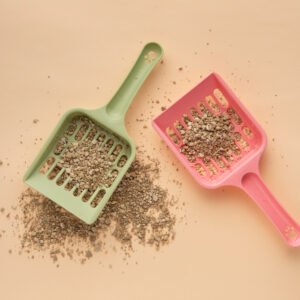
The processing and purification methods matter greatly when considering safety and effectiveness, especially for products like bentonite-cat-litter that require high absorbency and low impurity levels. Industrial suppliers such as CMS Industries test their bentonite for specific applications and maintain strict quality standards to ensure suitability for construction, agriculture, drilling fluids, and bentonite-cat-litter use cases.
What Does This Mean for You?
Scientific evidence for bentonite clay benefits exists, particularly for:
- Topical skin applications: Solid research supports using bentonite in face masks for acne, oily skin, and wound healing.
- Aflatoxin binding: Well-documented in animal studies and some human populations.
- Antibacterial properties: Laboratory studies confirm activity against various pathogens.
- Industrial applications: Strong evidence for water treatment, soil amendment, and manufacturing uses.
Weaker evidence exists for:
- Internal detoxification in humans: Limited large-scale clinical trials
- Heavy metal removal in people: Most data comes from animal studies
- Digestive health benefits: More research needed
Making Informed Decisions
If you’re considering bentonite clay:
- For topical use: Look for cosmetic-grade products from reputable suppliers. Start with a patch test to check for allergic reactions.
- For internal use: Consult a healthcare professional first. Only use food-grade bentonite from tested sources.
- Check product quality: Choose manufacturers who test for heavy metal contamination and provide certificates of analysis.
When purchasing bentonite clay products, consider suppliers like CMS Industries that specialize in specific grades and applications. Industrial suppliers often have better quality control than generic health food store brands.
The Bottom Line
Does bentonite clay have scientific backing? Yes, particularly for topical skin applications and specific industrial uses. Research confirms its ability to absorb oils, bind certain toxins, and fight bacteria.
But the evidence isn’t equally strong across all claimed benefits. Skin care applications have the most robust research support, while internal detoxification claims rely heavily on animal studies and require more human trials.
If you’re interested in trying bentonite clay, stick with well-researched applications like face masks for acne or oily skin. For internal uses or treating medical conditions, consult healthcare professionals and choose high-quality, tested products from reputable suppliers.
The science shows promise, but it also shows we need more research, especially for human applications beyond skincare. Until then, approach bentonite clay as a potentially helpful tool with proven benefits in some areas and unproven claims in others.
FAQs About Bentonite Clay
Is bentonite clay scientifically proven to detoxify the body?
Scientific evidence shows bentonite can bind to certain toxins like aflatoxins in controlled settings. Animal studies demonstrate this effect clearly, but large-scale human clinical trials remain limited. For topical detoxification, research supports its ability to absorb oils and impurities from skin. Internal detoxification claims need more human research before scientists can confirm effectiveness.
Can bentonite clay help with acne according to research?
Yes, a 2023 clinical study found that clay masks containing bentonite significantly reduced acne lesions, sebum production, and improved skin texture when used twice weekly for four weeks. Bentonite’s ability to absorb excess oil and fight bacteria makes it effective for mild to moderate acne. Dermatologists at Mount Sinai Hospital recommend it for oily and acne-prone skin types.
Are there any dangers in using bentonite clay products?
The main concern involves heavy metal contamination in some products. The FDA has warned against certain brands containing unsafe lead levels. Other potential issues include severe potassium depletion when used internally in large amounts, intestinal blockage if consumed excessively, and possible nutrient absorption interference. Always purchase from reputable sources that test for contaminants and use appropriate amounts.
How does bentonite clay work at a molecular level?
Bentonite clay has a negative electrical charge due to its mineral composition. Most toxins, bacteria, and heavy metals carry positive charges. Through a process called adsorption, the negatively charged clay attracts and binds to positively charged particles. When the clay leaves the body or is rinsed off skin, it takes these bound particles with it, effectively removing them.
What’s the difference between food-grade and cosmetic-grade bentonite clay?
Food-grade bentonite undergoes purification to meet strict safety standards for internal consumption and has been tested for heavy metal content. Cosmetic-grade bentonite is formulated for external use on skin and hair but may not meet ingestion safety requirements. Industrial-grade bentonite, like that produced by CMS Industries for drilling or construction, is not suitable for personal care use at all.