


If you raise chickens, you’ve probably heard the buzz around bentonite clay as a feed additive. But not all bentonite is the same. There are two main types sodium and calcium and they behave very differently inside a chicken’s digestive system. Before you start mixing anything into your flock’s feed, it pays to understand exactly what calcium bentonite does, what the research says, and where the limits are.
Let’s break it down.
What Is Calcium Bentonite, and How Does It Differ from Sodium Bentonite?
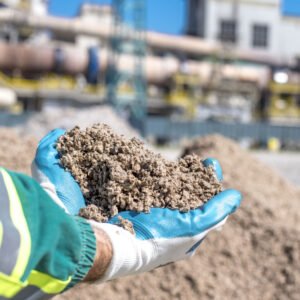
Bentonite is a naturally occurring clay made primarily of montmorillonite, a layered aluminum silicate mineral. It gets its name from Benton Shale near Fort Benton, Wyoming, where a major natural deposit was discovered in 1898.
What separates calcium bentonite from sodium bentonite is the dominant exchangeable ion. Sodium bentonite swells dramatically when it contacts water it acts like a sponge in the gut, absorbing moisture from digesta. That’s why it’s used to manage wet droppings in poultry.
Calcium bentonite works differently. Rather than swelling and absorbing water, it binds ionic particles through a process called adsorption. Think of it as a molecular trap: it pulls certain compounds like mycotoxins and trace minerals onto its surface and carries them through the digestive tract without releasing them into the bloodstream. This is the property that makes calcium bentonite good for chickens in certain specific situations.
One important nuance: in the gut environment, where sodium is present in solution, calcium bentonite can gradually convert to sodium bentonite. So over time, it may lose some of its strong binding capacity and begin to exhibit swelling properties instead. This is worth knowing when you plan how to use it.
How Calcium Bentonite Helps Chickens: The Key Benefits
1. Aflatoxin Binding — The Strongest Use Case
This is where the evidence for calcium bentonite in poultry really stands out. Aflatoxins are potent natural carcinogens produced by Aspergillus flavus and Aspergillus parasiticus molds. They contaminate grains and feed ingredients, and no animal species is immune to their effects.
Research published in Toxins (MDPI, 2015) from the University of Georgia and Texas A&M University found that including calcium bentonite at just 0.2% in broiler diets successfully reduced the accumulation of aflatoxin B1 residues in the liver during the first week of exposure, and improved overall livability across the study period. Calcium bentonite benefits of bentonite clay for internal use outperforms sodium bentonite as an aflatoxin binder because its calcium ions create better separation between clay layers, giving the toxin more surface area to bind to.
The European Commission has approved clay-based binders like bentonite for reducing mycotoxin contamination in feeds across all animal species. In the United States, bentonite is generally recognized as safe (GRAS) for use in animal feeds to improve flowability, act as an anti-caking agent, and support pellet quality though no adsorbent has received FDA approval specifically for the prevention or treatment of aflatoxicosis.
The practical takeaway: if your feed supply is at risk from aflatoxin contamination especially during humid seasons or when using stored grain calcium bentonite at 0.5–1.0% inclusion is one of the best natural tools available.
2. Improved Digestion and Feed Passage Rate
Bentonite as a whole has been shown to slow the rate at which feed passes through a chicken’s gut. One study noted that clay inclusion extended transit time by roughly 2–3 hours in the majority of birds. A longer transit time means the digestive system has more contact time with feed, which supports better absorption of nutrients.
Research published in the Asian Journal of Animal and Veterinary Advances (2016) tested both raw and treated calcium bentonite in broiler diets at 2% and 5% inclusion rates. Chickens receiving calcium bentonite showed higher serum concentrations of calcium, sodium, and potassium compared to the control group, which suggests improved mineral availability. The study also found favorable effects on blood cholesterol profiles, with lower LDL and higher HDL concentrations in bentonite-supplemented groups.
3. Pathogen Reduction in the Gut
A study published in PLOS ONE (2016) examined how bentonite clay safe for dogs affects intestinal microbiota in layer chickens. The findings were notable: birds fed bentonite as a 4% feed supplement showed a complete absence of Campylobacter jejuni and Helicobacter pullorum in their gut microbiota two organisms linked to poultry disease and human foodborne illness.
Importantly, bentonite achieved this without reducing the overall richness and diversity of the gut microbiome. Most antibiotics, by contrast, knock out beneficial bacteria along with the harmful ones. This makes bentonite a compelling candidate as part of an antibiotic-reduction strategy in commercial poultry production.
4. Better Litter and Coop Conditions
Calcium bentonite helps manage moisture in the gut, which translates to drier droppings. Wet litter is a persistent problem in poultry housing it promotes bacterial growth, ammonia buildup, and foot problems. When feed is supplemented with clay minerals including calcium bentonite, producers often report improved litter conditions and fewer related health issues.
Practical Dosage Guidelines for Chickens
Here’s a general reference based on published research and industry practice:
- Aflatoxin binding: 0.5–1.0% of total feed weight
- General digestive support / anti-caking: 0.2–2.0% of total feed weight
- Litter improvement / moisture control: up to 2.0% of total feed weight
These ranges represent what research has tested. Do not exceed 2% without consulting a poultry nutritionist, because higher inclusion rates can begin to bind nutrients you actually want the birds to absorb including fat-soluble vitamins and trace minerals like manganese.
What to Watch Out For: Real Risks and Limitations
Calcium bentonite is not a cure-all, and there are legitimate concerns to keep in mind.
Nutrient binding. Because calcium bentonite adsorbs ionic particles, it doesn’t just catch toxins it can also bind beneficial minerals. Manganese in particular can be affected. If you’re including bentonite in your flock’s diet on a regular basis, make sure the base diet is well-fortified with minerals and vitamins to compensate.
Drug interactions. Bentonite at 2% has been shown to reduce the effectiveness of certain medications, including the antibiotic tilmicosin and the anticoccidial drug robenidine. If your birds are on a treatment program, talk to your vet before adding bentonite to the feed.
Source quality matters. Feed-grade calcium bentonite from a certified supplier is not the same as industrial-grade clay. Low-quality bentonite can contain elevated levels of heavy metals like lead or arsenic. Always source from suppliers with verified mineral profiles and documented safety certifications.
Over-supplementation. More is not better here. At excessive inclusion rates, calcium bentonite can have a constipating effect and may interfere with hydration and the absorption of fat-soluble vitamins. Stick within recommended limits.
Calcium Bentonite vs. Sodium Bentonite for Chickens: Which Should You Use?
The answer depends on what problem you’re trying to solve.
| Purpose | Best Choice |
| Binding aflatoxins | Calcium bentonite |
| Managing wet droppings | Sodium bentonite |
| Anti-caking in mash feed | Either (sodium is more common) |
| Broad mineral support | Consult a nutritionist |
Some commercial feed additives blend both types for a combined effect. If your primary concern is mycotoxin risk which is common during hot, humid growing seasons or with stored grain — calcium bentonite is the more targeted choice.
At CMS Industries, calcium bentonite (marketed as CMS CALCIUMBENT®) is characterized by its higher healing and detoxifying properties, which aligns with these poultry applications.
How to Introduce Calcium Bentonite into Your Flock’s Diet
Here’s a practical approach:
- Start with a clear goal. Are you responding to an aflatoxin risk, improving digestion, or managing litter? The purpose determines the dosage.
- Source feed-grade bentonite. Confirm it’s certified for animal feed use and request a mineral profile from the supplier.
- Start at the lower end. Begin at 0.5% inclusion and observe your flock for 2–3 weeks before adjusting.
- Check mineral supplementation. If you plan to use it long-term, ensure your feed is adequately fortified, especially with manganese and fat-soluble vitamins.
- Monitor drug interactions. If birds are being treated with any medications, consult a vet before starting bentonite supplementation.
- Track results. Watch litter condition, feed consumption, and any visible changes in health before scaling up.
What Poultry Farmers Are Seeing in the Field
Anecdotal reports from producers in India, Brazil, and Southeast Asia suggest real-world improvements after adding bentonite to poultry diets. A breeder in India reported better egg production and fewer shell defects after introducing bentonite-enriched feed during the monsoon season a period when aflatoxin risk peaks due to elevated humidity.
A producer in Thailand observed a 5% increase in weight gain and drier litter conditions after switching to a bentonite-supplemented diet. These are not controlled trials, but they align with what the published research suggests.
CMS Industries, a Gujarat-based bentonite manufacturer and exporter, supplies animal feed-grade bentonite to producers across multiple countries. Their CMS FEED® grade is formulated to support nutrient absorption and safe digestion in livestock and poultry, which makes it one option worth evaluating if you’re looking for a reliable supply source.
Frequently Asked Questions
- Is calcium bentonite safe for chickens to eat daily?
Yes, at the right dosage typically 0.5–2% of total feed weight calcium bentonite is considered safe for regular inclusion in poultry diets. It’s classified as generally recognized as safe (GRAS) in the U.S. and approved by the European Commission for use in animal feeds. Exceeding recommended levels can interfere with nutrient absorption, so stick to established guidelines.
- Can calcium bentonite replace oyster shell as a calcium source for laying hens?
No. Calcium bentonite is not a significant bioavailable calcium source for chickens. It does not readily release calcium into the digestive system in a form hens can use for eggshell formation. Oyster shell or limestone should remain your primary calcium supplement for layers.
- Will calcium bentonite help with wet droppings in my flock?
Sodium bentonite is better suited for managing wet droppings because of its strong water-absorbing properties. Calcium bentonite has some effect on moisture control, but if wet droppings are your main problem, sodium bentonite or a blend of both types would likely serve you better.
- How do I know if my chicken feed has aflatoxin contamination?
Signs include reduced feed intake, poor weight gain, pale combs, and increased mortality especially in young birds. Aflatoxin contamination is more common during and after hot, humid weather and with improperly stored grain. Testing feed through a certified laboratory is the most reliable method to confirm contamination before using any binder.
- Can I mix calcium bentonite with diatomaceous earth for chickens?
You can, and some commercial products combine the two. Diatomaceous earth is sometimes used as a dust bath additive and a mechanical pest deterrent, while calcium bentonite acts as an adsorbing agent. That said, excessive DE in the diet can irritate the digestive tract. If you’re using a pre-mixed product, check the composition and don’t exceed safe dietary inclusion rates for either ingredient.