


Underground construction projects demand precision, safety, and materials that can handle extreme conditions. Bentonite clay has become the go-to solution for tunnel boring machine (TBM) operations worldwide. This guide walks you through the practical steps of using bentonite in tunnelling machines, from preparation to execution.
Why Bentonite Matters in Tunnel Boring Operations
Tunnel boring machines work in challenging environments where soil stability and water control make or break a project. Bentonite in tunnelling machines serves multiple functions that keep excavation safe and efficient.
The clay forms a protective barrier at the tunnel face, preventing water infiltration and soil collapse. When mixed with water, bentonite particles expand dramatically, creating a thick suspension that can support thousands of tons of earth pressure. This unique property makes it irreplaceable in modern tunnelling.
CMS Industries manufactures high-grade bentonite products specifically engineered for demanding tunnelling applications. Understanding how to use this material correctly can mean the difference between a successful project and costly delays.
Understanding Bentonite Properties for TBM Applications
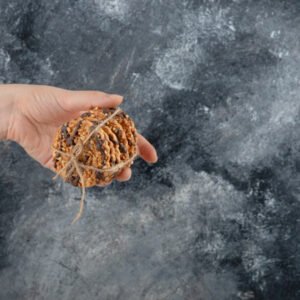
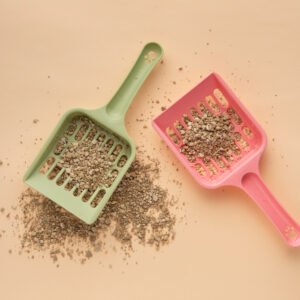
Before diving into the step-by-step process, you need to know what makes bentonite work in tunnelling machines. The material consists primarily of montmorillonite, a clay mineral formed from weathered volcanic ash.
Sodium bentonite provides superior swelling characteristics compared to calcium bentonite. This swelling capacity creates the gel-like consistency needed for face support. The material also exhibits thixotropic behavior, meaning it becomes less viscous under mechanical stress but regains thickness when at rest.
Key properties that matter for TBM operations include:
- Viscosity levels that balance flow and support
- Yield stress sufficient to maintain pressure at the tunnel face
- Filtration characteristics that form proper filter cakes
- Gel strength that suspends excavated material
Temperature and pH levels affect performance significantly. Most tunnelling operations aim for pH levels between 8 and 10 for optimal bentonite behavior.
Types of Tunnel Boring Machines That Use Bentonite
Not all TBMs use bentonite in the same way. Understanding your machine type determines your approach to bentonite application.
Slurry Shield TBMs
These machines rely entirely on bentonite slurry for face support. The pressurized slurry fills the excavation chamber and penetrates the soil ahead of the cutterhead. This creates a low-permeability filter cake that seals the tunnel face and transfers support pressure to the soil skeleton.
Slurry shield TBMs work best in saturated sands and gravels where groundwater pressure poses challenges. The bentonite suspension prevents water from entering the tunnel while maintaining face stability.
Earth Pressure Balance (EPB) Machines
EPB machines use excavated soil as the primary support medium but often inject bentonite, polymers, or foam to condition the soil. The bentonite additions make the excavated material more cohesive and workable, helping maintain proper pressure balance.
These machines operate in softer ground with less than 7 bar of pressure. Bentonite conditioning helps stabilize mixed-face conditions where soil types vary.
Step 1: Selecting the Right Bentonite Grade
Quality starts with material selection. Not all bentonite grades perform equally in tunnelling applications.
High-yield sodium bentonite works best for most tunnelling projects. Look for products that meet these specifications:
- Minimum 15-20% yield (barrels per ton)
- Viscosity readings appropriate for your soil conditions
- Low filtrate loss to form effective filter cakes
- Consistent particle size distribution
CMS Industries offers multiple bentonite grades tailored to specific tunnelling requirements. Your choice depends on soil permeability, groundwater conditions, and machine type.
For highly permeable soils like coarse sands and gravels, you need bentonite with excellent gel strength and quick viscosity development. Fine-grained soils may require lower concentration slurries with modified rheological properties.
Step 2: Mixing Bentonite Slurry Correctly
Proper mixing determines whether your bentonite performs as needed. Poor mixing creates lumps, inconsistent viscosity, and filter cake formation problems.
Start with clean, fresh water whenever possible. Water quality affects bentonite hydration and swelling capacity. If working on undersea projects, pre-hydrate bentonite with fresh water before adding seawater. This maintains the material’s swelling ability even in saline conditions.
Here’s the mixing sequence:
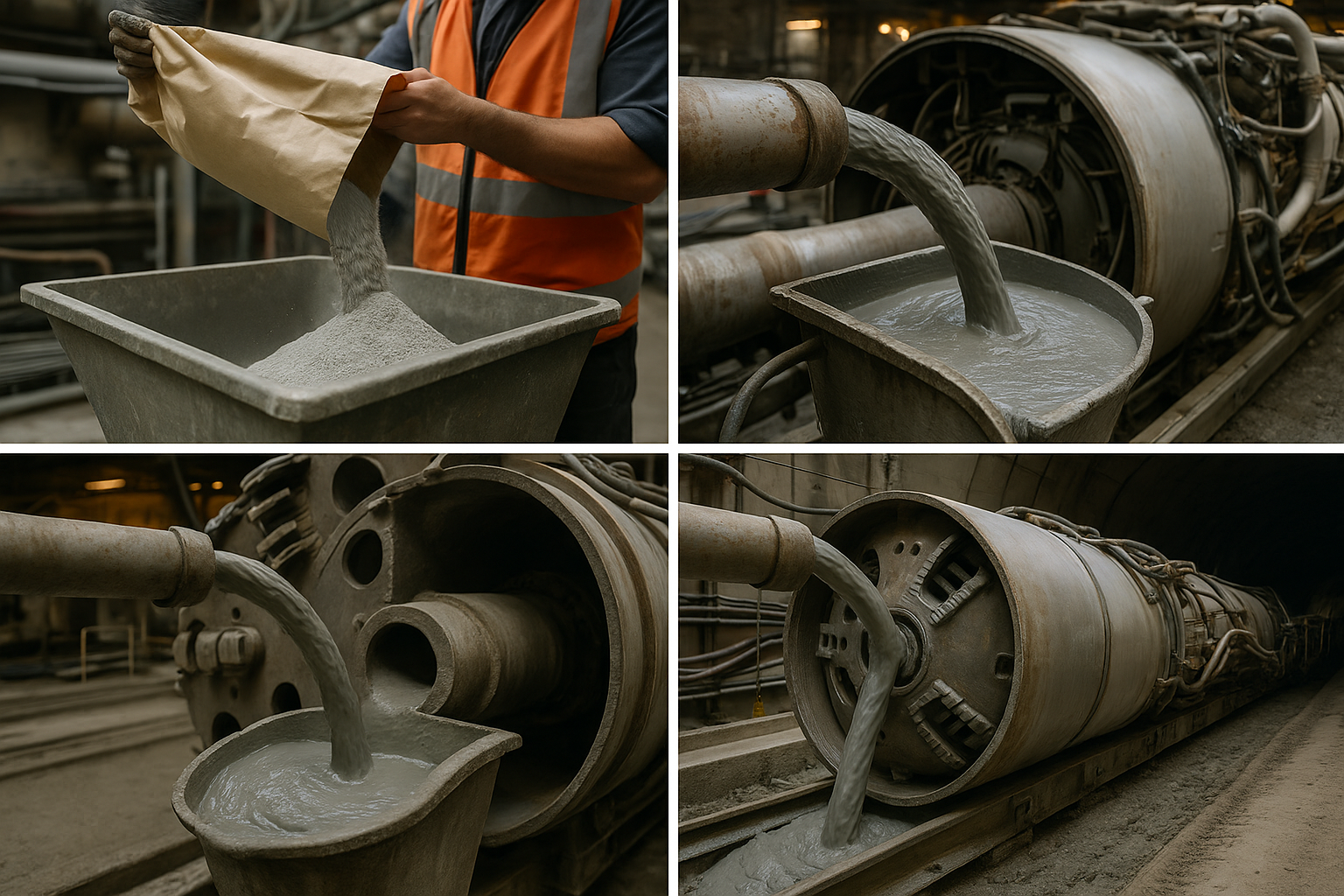
Add water to your mixing tank first. Never add bentonite to an empty tank and then add water, as this creates clumps that won’t properly hydrate.
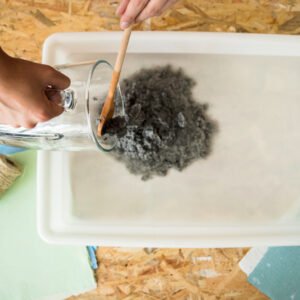
Introduce bentonite powder gradually while maintaining continuous agitation. High-shear mixers work best for breaking up particles and promoting full hydration.
Target concentration ranges from 30 to 80 kg per cubic meter for most tunnelling applications. Higher concentrations provide more support but can complicate material transport and separation.
Allow the mixture to hydrate for at least 12 hours before use. This gives bentonite particles time to fully expand and develop their gel structure. The slurry should appear smooth and uniform without visible clumps.
Monitor viscosity using a Marsh funnel or Fann rheometer. Adjust concentration if readings fall outside your target range. Remember that slurry properties change with time and temperature.
Paper bentonite is a natural clay mineral used in papermaking to improve paper strength, retention, and smoothness, explaining why it is used in papermaking for better quality and efficiency.
Step 3: Preparing the TBM System
Your tunnelling machine needs proper setup before introducing bentonite slurry. Check all components that contact or transport the slurry.
Inspect slurry pipelines for leaks or blockages. Bentonite can settle in pipes during downtime, creating restrictions. Flush lines with water before introducing fresh slurry.
Verify that separation equipment operates correctly. Slurry shield machines pump excavated material mixed with bentonite to surface separation plants. These multi-stage filtration systems must remove spoil efficiently while recovering clean bentonite for reuse.
Test all pressure monitoring equipment. Accurate pressure readings at the cutterhead are critical for maintaining face stability. Faulty sensors can lead to blowouts or face collapses.
Ensure injection ports and nozzles are clean and unobstructed. Clogged injection points create uneven slurry distribution and poor face support.
Step 4: Injecting Bentonite Slurry at the Tunnel Face
This step requires precision and constant monitoring. The goal is creating a stable support medium that balances earth and water pressure while allowing excavation to proceed.
For slurry shield TBMs, pump bentonite slurry into the excavation chamber at controlled pressure. The slurry must penetrate the soil ahead of the cutterhead, forming the filter cake that provides face support.
Start with lower pressures and increase gradually until achieving the required support level. Too much pressure can cause soil displacement or surface heaving. Too little pressure risks face collapse or water infiltration.
The filter cake forms when bentonite particles accumulate at the soil interface. In coarse soils, this happens quickly as particles physically block pore spaces. In finer soils, the process takes longer and depends more on chemical interactions between clay particles and soil.
Maintain consistent slurry flow to the face. Interruptions allow the filter cake to degrade or soil to loosen. Most operations run continuous slurry circulation during excavation.
To ensure quality, monitor slurry properties at both injection and return points. Any change in density, viscosity, or pH may indicate contamination from soil or groundwater. Adjust mixing plant operations to maintain target specifications is a crucial step in understanding the uses of bentonite slurry in construction.
Step 5: Conditioning Excavated Material
In EPB machines, bentonite serves a different primary role. Here, you inject bentonite to condition the excavated soil, making it easier to transport and control.
Inject bentonite ahead of the cutterhead and into the extraction screw. The material mixes with excavated soil, creating a more cohesive and plastic mass. This conditioned soil maintains pressure at the tunnel face and flows smoothly through the screw conveyor.
Target the right consistency. The material should have enough cohesion to form a plug in the screw conveyor while still being fluid enough to extract continuously. Think of soft ice cream as the ideal texture.
Adjust bentonite injection rates based on soil behavior. Clay-rich soils may need less bentonite, while sandy or gravelly soils require higher injection rates. Some operations add foam or polymers alongside bentonite for better conditioning.
Watch for signs of inadequate conditioning: inconsistent muck flow, difficulty maintaining face pressure, or excessive wear on the screw conveyor. These problems often stem from insufficient bentonite injection.
Step 6: Managing Slurry Separation and Recycling
Effective separation and reuse of bentonite reduces costs and environmental impact. This step applies mainly to slurry shield operations.
Excavated material mixed with bentonite slurry gets pumped to surface separation plants. The first stage typically uses shaker screens or vibrating separators to remove coarse particles. Larger debris like rocks and gravel fall through first.
Secondary separation uses hydrocyclones or centrifuges for finer particles. These remove sand and silt while retaining bentonite in suspension. The cleaned slurry flows to storage tanks for reuse.
Keep recovered slurry within specification limits. Over time, fine soil particles accumulate in the bentonite, changing its properties. You’ll need to add fresh bentonite or discharge contaminated slurry periodically.
Test recovered slurry regularly for viscosity, density, and filtration properties. When parameters drift too far from targets, adjust the mixing plant accordingly.
Some soil conditions make separation difficult. Silts and clays have particle sizes similar to bentonite, making physical separation nearly impossible. In these cases, you may need to discharge more slurry and use higher volumes of fresh material.
Step 7: Monitoring and Adjusting During Excavation
Active monitoring keeps your tunnelling operation safe and efficient. Several parameters require constant attention.
Track advance rate against material extraction rate. These must stay balanced to maintain proper face pressure in EPB machines. Too fast extraction drops face pressure and risks collapse. Too slow extraction builds pressure and can cause surface heaving.
For slurry shield machines, monitor slurry pressure at multiple points: in the supply line, at the face, and in the return line. Pressure differentials tell you whether the filter cake is forming properly and maintaining face support.
Watch excavation torque and thrust requirements. Sudden changes often indicate problems with soil conditioning or face stability. Increasing torque may signal sticky clay conditions that need different bentonite injection rates.
Check muck quality continuously. The excavated material should have consistent color, texture, and flow characteristics. Changes indicate you’ve encountered different soil layers or groundwater conditions that may require adjusting bentonite parameters.
Keep detailed records of all parameters. This data helps troubleshoot problems and optimize operations for future tunnel sections with similar ground conditions.
Step 8: Backfilling the Annular Space
After the shield tail passes, a gap exists between the excavated tunnel diameter and the installed lining segments. This annular space needs immediate filling to prevent ground settlement and maintain tunnel stability.
Many TBMs inject grout containing bentonite through ports in the tail shield or through the lining segments. This backfill grout typically consists of cement, bentonite, water, and additives.
Bentonite in the backfill grout serves several purposes. It keeps the mixture fluid long enough for proper placement while controlling water loss. The bentonite also provides some immediate support before the cement sets.
Target grout properties that balance flow and early strength. The mixture must flow easily through injection lines and fill the annular space completely. It should also develop enough early strength to support the ground within hours.
Injection pressure needs careful control. Too much pressure can damage lining segments or crack the surrounding ground. Too little pressure leaves voids that allow ground settlement.
When comparing sodium bentonite vs calcium bentonite, sodium bentonite is ideal for water well drilling due to its superior swelling and sealing properties.
Common Challenges When Using Bentonite in Tunnelling Machines
Even with proper procedures, you’ll encounter challenges. Here’s how to handle common issues.
Inadequate Filter Cake Formation
If the filter cake doesn’t form or breaks down, face stability suffers. This happens most often in very fine soils where bentonite particles can’t physically block pore spaces.
Solutions include increasing bentonite concentration, adding polymers to enhance sealing, or reducing advance rate to give the filter cake more formation time. Pre-grouting particularly problematic sections can also help.
Slurry Contamination
Mixed-face conditions introduce clay or silt that changes slurry properties. Contaminated slurry loses viscosity and sealing ability.
Address this by increasing discharge rates and fresh bentonite makeup. Some operations add chemical treatments to flocculate soil particles for easier separation. You might also need to adjust excavation speed to reduce soil intake.
Equipment Clogging
Sticky clay soils can clog cutterheads, conveyors, and separation equipment. Bentonite actually worsens this problem in some conditions because it increases the stickiness of clay-rich soils.
Combat clogging by reducing bentonite concentration or switching to polymer additives that coat clay particles. Periodic cleaning stops may be necessary in particularly difficult ground.
Starting Torque After Shutdowns
When a TBM sits idle for several hours, bentonite slurry can set up, creating high resistance to cutterhead rotation. Starting torque can reach 60-80% of rated capacity after just 3-6 hours of shutdown.
Prevent this by idling the cutterhead briefly during planned shutdowns. If a long shutdown is unavoidable, consider diluting the bentonite slurry in the excavation chamber before stopping.
Safety Considerations for Bentonite Operations
Working with bentonite in tunnelling machines requires attention to several safety aspects.
Workers entering chambers on slurry shield TBMs need medical clearance as “fit to dive” because these spaces operate under pressure. Proper pressure lock procedures prevent decompression injuries.
Bentonite dust during mixing can irritate respiratory passages. Provide adequate ventilation and personal protective equipment for mixing operations. Wet mixing methods reduce dust exposure.
Slurry spills create extremely slippery surfaces. Clean up spills immediately and provide appropriate footwear for workers in areas with bentonite exposure.
Monitor air quality in tunnels continuously. While bentonite itself isn’t toxic, it can carry other contaminants picked up from the soil. Proper ventilation maintains safe conditions for workers.
Optimizing Bentonite Performance in Different Soil Conditions
Soil type determines your bentonite strategy. Here’s how to optimize performance across common conditions.
Coarse Sands and Gravels
These highly permeable soils require bentonite with excellent gel strength. The filter cake forms quickly by physical blockage of pores. Use higher concentrations (60-80 kg/m³) and monitor filter cake thickness carefully.
Fine Sands and Silts
Medium permeability soils need balanced bentonite properties. Moderate concentrations (40-60 kg/m³) work well. Pay attention to slurry yield stress as it affects penetration depth and pressure transfer.
Clay-Rich Soils
Low permeability clays present unique challenges. Filter cakes form slowly or not at all because pore sizes are tiny. Consider lower bentonite concentrations (30-40 kg/m³) or alternative conditioning methods using polymers or foam.
Mixed-Face Conditions
When soil types vary significantly across the tunnel face, maintaining consistent support becomes difficult. Use versatile bentonite formulations that perform reasonably well across the range of soil types encountered. Be prepared to adjust concentrations frequently.
CMS Industries supplies bentonite grades suited to all these soil conditions, helping tunnelling operations adapt to changing ground conditions.
Environmental Management and Disposal
Responsible bentonite use includes proper environmental management. While bentonite itself is a natural clay, large volumes of contaminated slurry require proper handling.
Maximize slurry recycling to reduce waste volumes. Good separation efficiency means less fresh bentonite consumption and less waste disposal.
Test waste slurry for contaminants before disposal. Some tunnelling operations encounter contaminated ground with heavy metals or organic pollutants. These may require special disposal methods.
Dewater excess slurry before disposal when possible. Removing free water reduces disposal volumes and costs. Filter presses or centrifuges can concentrate slurry into a cake form that’s easier to handle.
Consider beneficial reuse options where available. Dewatered bentonite cake can sometimes serve as landfill cover material or be incorporated into soil improvement projects.
Advanced Techniques for Complex Tunnelling Projects
Challenging projects may require advanced bentonite application methods beyond standard procedures.
Pre-Hydration for Undersea Tunnels
Seawater significantly reduces bentonite swelling capacity. Pre-hydrating bentonite with fresh water before seawater exposure maintains better performance. Mix bentonite with fresh water first, then gradually add seawater. This approach preserves the gel structure better than direct seawater mixing.
Modified Bentonite Slurries
Adding polymers to bentonite slurries can enhance specific properties. Carboxymethyl cellulose (CMC) increases viscosity without raising concentration. This helps in soils where bentonite alone doesn’t provide adequate support.
Synthetic polymers can coat clay particles in mixed-face conditions, reducing stickiness and clogging. These modified slurries allow better performance in difficult ground.
Real-Time Slurry Property Monitoring
Automated systems can now monitor slurry properties continuously at multiple points in the circuit. Sensors track density, viscosity, pH, and temperature in real time. This data feeds control systems that automatically adjust mixing plant operations to maintain target specifications.
This technology reduces the need for manual testing and allows faster response to changing conditions.
Conclusion
Using bentonite in tunnelling machines successfully requires understanding both the material properties and the machine systems that use it. Following proper procedures for mixing, injection, monitoring, and separation keeps your operation safe and efficient.
Start with quality bentonite suited to your soil conditions. CMS Industries provides engineered bentonite grades for demanding tunnelling applications worldwide. Proper material selection sets the foundation for success.
Mix slurry carefully, maintain equipment properly, and monitor operations continuously. Adjust your approach as ground conditions change. These practices keep your tunnel boring machine advancing safely and efficiently.
Remember that every tunnelling project presents unique challenges. The principles covered in this guide apply broadly, but you’ll need to adapt them to your specific conditions. Keep detailed records of what works and what doesn’t. This knowledge base becomes invaluable as your project progresses and for future tunnelling operations.
Frequently Asked Questions
What concentration of bentonite should I use in my tunnelling machine?
Concentration typically ranges from 30 to 80 kg per cubic meter, depending on soil conditions. Highly permeable soils like coarse sands need higher concentrations (60-80 kg/m³) to form effective filter cakes. Fine-grained soils work well with moderate concentrations (40-60 kg/m³). Start at mid-range and adjust based on face stability, slurry return properties, and separation efficiency.
How long does bentonite slurry remain usable in a TBM system?
Fresh bentonite slurry stays usable for 12-72 hours depending on formulation and additives. Properties degrade over time through contamination with excavated soil, temperature changes, and shear history. Monitor viscosity and filtration properties regularly. Replace or refresh slurry when it falls outside specification limits. In slurry shield operations, continuous recycling and makeup maintain properties.
Can I use bentonite in all soil types?
Bentonite works best in granular soils like sands and gravels where it forms physical filter cakes. It performs adequately in silty soils with moderate permeability. Clay-rich soils present challenges because their low permeability prevents filter cake formation. For clay-dominated ground, consider polymer additives or foam conditioning instead of relying solely on bentonite.
What causes bentonite slurry to fail during tunnelling operations?
Common failure modes include inadequate filter cake formation, slurry contamination with excavated soil, excessive dilution with groundwater, and seawater intrusion that prevents clay swelling. Equipment problems like clogged injection nozzles or failed separation systems also compromise performance. Regular monitoring, proper maintenance, and adjusting parameters as conditions change prevent most failures.
How do I handle bentonite disposal from tunnelling projects?
Maximize recycling through efficient separation systems to reduce waste volumes. Test waste slurry for soil contaminants before disposal. Dewater excess slurry using filter presses or centrifuges to reduce volume and transportation costs. Dispose of solid cake at approved facilities. Some projects find beneficial reuse options like landfill cover material or soil amendment applications where regulations permit.