


When construction projects face water seepage, unstable soil, or the need for underground barriers, engineers turn to a proven solution: bentonite grouting. This ground treatment method has been protecting infrastructure for decades, from subway tunnels beneath busy cities to massive dam foundations holding back reservoirs.
But what makes this technique so reliable? The answer lies in the unique properties of bentonite clay and how engineers apply it underground.
Understanding Bentonite Grouting
Bentonite grouting is a geotechnical process that involves injecting bentonite-based slurry into soil or rock formations to reduce permeability, control water flow, and improve ground stability. The technique uses bentonite, a natural clay mineral formed from volcanic ash, mixed with water and sometimes cement to create a pumpable material that seals gaps, fractures, and voids underground. To ensure consistent performance, engineers typically source materials from certified bentonite manufacturers and suppliers who provide high-quality, application-specific bentonite suitable for grouting and ground-improvement projects.
The material swells when it contacts water, expanding up to eighteen times its original volume. This swelling creates a tight seal that blocks water movement and fills empty spaces in soil and rock. CMS Industries manufactures specialized civil engineering bentonite grades designed specifically for grouting applications where low permeability and controlled swelling are required.
Bentonite grouting works in situations where traditional cement-based methods fall short. When soil particles are too fine for cement penetration or when the ground needs to accommodate slight movements without cracking, bentonite-based grouts perform better. The clay remains flexible enough to adjust to minor ground shifts while maintaining its sealing properties.
Types of Bentonite Grouting Methods
Different construction scenarios call for different grouting approaches. Engineers select methods based on soil type, depth, water conditions, and project requirements.
Pure Bentonite Slurry
This method uses only bentonite powder mixed with water, typically at 15–20% solids content by weight. The slurry provides maximum flexibility and self-healing properties. When cracks develop, water causes the bentonite to swell and seal the opening automatically. However, when discussing cal bentonite side effects—particularly in non-industrial or ingestion-related contexts—it’s important to note that improper exposure or misuse may lead to issues such as respiratory irritation from dust inhalation or digestive discomfort if consumed without guidance. In construction and grouting applications, these side effects are avoided through controlled handling and professional use.
Pure bentonite slurry works best in unconsolidated formations where high fluid pressures could fracture the ground. Water well drillers commonly use this method to seal the annular space around well casings, preventing surface contaminants from reaching aquifers.
Cement-Bentonite Grout
Adding Portland cement to bentonite slurry creates a hybrid material that combines the sealing properties of clay with the strength of cement. The typical mix includes 94 pounds of cement, up to 4.7 pounds of bentonite, and 6-8 gallons of water.
This blend provides better structural support than pure bentonite while remaining more flexible than straight cement grout. The bentonite prevents cement particles from settling during placement and reduces shrinkage as the material cures. Dam foundations, tunnel backfilling, and underground cutoff walls frequently use cement-bentonite combinations.
Granular Bentonite
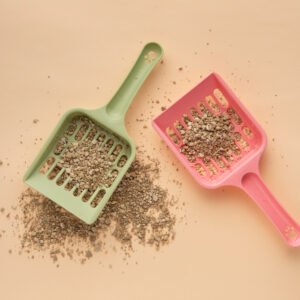
Instead of mixing slurry on-site, workers can pour pre-formed bentonite chips or pellets directly into boreholes. The granules fall through drilling fluid and groundwater, then hydrate slowly when water surrounds them.
Granular products work well in the vadose zone above the water table where maintaining slurry consistency would be difficult. The chips require adequate annular space to pour freely and enough water contact to activate properly.
The Bentonite Grouting Process: Step by Step
Successfully placing bentonite grout requires careful planning and precise execution. Here’s how contractors typically approach the work:
1. Site Investigation and Design
Before any drilling begins, geotechnical engineers collect soil samples and perform laboratory tests to understand subsurface conditions. They analyze soil permeability, groundwater levels, and existing contamination. This data determines the grout mix design, injection pressures, and borehole spacing.
Engineers calculate the volume of grout needed based on borehole dimensions and formation porosity. They also identify potential challenges like artesian conditions, highly permeable zones, or chemical incompatibilities with the groundwater.
2. Borehole Drilling
Contractors drill holes at predetermined locations using rotary methods, pneumatic tools, or diamond core drills depending on formation type. Borehole diameter must provide enough annular space for grout placement, typically ranging from 4 to 12 inches.
In unstable alluvial soils prone to collapse, crews install temporary casing to keep holes open. The drilling depth depends on the zone requiring treatment, which could range from 20 feet for shallow well sealing to several hundred feet for deep cutoff walls.
3. Grout Preparation
Mixing begins by measuring the exact water quantity needed for the specified grout design. Water quality matters because hard water with high calcium or magnesium content interferes with bentonite hydration. Ideal mixing water should contain less than 100 mg/L calcium and have a pH between 8.5 and 9.5.
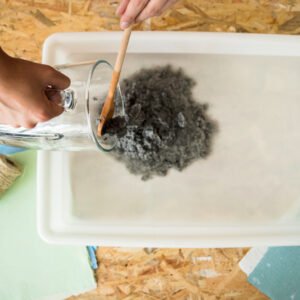
For cement-bentonite grout, operators add cement to water first, maintaining a fixed water-to-cement ratio. This ensures predictable strength and permeability in the cured material. Only after thorough cement mixing should bentonite be gradually introduced near the mixing jet stream to prevent clumping.
Pure bentonite slurries require 15-60 seconds of mixing, just enough to suspend the powder. Over-mixing can damage the clay structure and reduce its swelling capacity. The prepared grout should appear lumpy and watery when pumped, as it will hydrate fully once placed in the borehole.
4. Grout Placement
Proper placement technique prevents air pockets and ensures complete coverage. Contractors position a tremie pipe at the bottom of the annular space, whether between casing and borehole wall or within open formations. The tremie directs grout from bottom to top, pushing drilling fluid and groundwater upward as denser grout fills the space.
Injection pressures vary with formation type, typically ranging from 1 N/mm² for loose sands to 7 N/mm² for fractured rock. Operators monitor pressure continuously because excessive force can fracture the formation or collapse PVC casings, while insufficient pressure may leave gaps.
The process takes 7-20 minutes per grout column depending on volume. Workers withdraw the tremie pipe slowly as grout level rises, maintaining the pipe tip below the grout surface to avoid introducing air.
5. Curing and Quality Control
After placement, bentonite grout undergoes physical changes as clay particles hydrate and settle. Pressure measurements taken over 24 hours show these changes, with readings typically reaching 40% of maximum calculated bottom-hole pressure before stabilizing.
Cement-bentonite grouts develop compressive strength over days and weeks as cement hydrates. Testing at 3, 7, and 28 days tracks strength development. Quality control also includes checking for proper grout rise in boreholes, verifying no bridging or channeling occurred, and confirming the seal extends across the target zone.
Key Applications of Bentonite Grouting
The versatility of this technique supports numerous construction and environmental projects.
Water Well Construction
Drilling companies use bentonite grouting to seal the space around well casings from ground surface to the first water-bearing zone. This surface seal prevents agricultural chemicals, septic tank effluent, and surface runoff from contaminating deeper aquifers. Interestingly, the same natural swelling and sealing properties that make bentonite effective in groundwater protection are also why bentonite clay for skin is widely used in cosmetic and dermatological applications, where it helps absorb impurities, excess oil, and toxins from the skin surface.
Regulatory agencies require minimum grout seal depths for municipal and industrial wells, often specifying 20-50 feet depending on local geology and contamination risk. CMS Industries supplies water well drilling bentonite formulated to meet these regulatory specifications while providing reliable long-term seals.
Tunnel Support and Waterproofing
Shield tunneling operations pump bentonite slurry to the tunnel face where it stabilizes soil in front of cutting tools. The thixotropic material holds back groundwater and loose soil while remaining fluid enough to transport excavated material to the surface.
Behind installed tunnel segments, contractors inject grout into the annular gap between the precast lining and surrounding ground. This backfill prevents settlement above the tunnel and creates a continuous waterproof barrier. Bentonite components in the grout provide self-sealing properties if cracks develop later.
Dam Foundation Treatment
Seepage beneath dam foundations can cause piping failures and structural collapse. Engineers drill curtain grouting holes into the rock foundation and inject cement-bentonite slurry under pressure. The grout penetrates fractures and fissures, forming an underground barrier that blocks water flow.
For earthen dams, cutoff walls made with plastic concrete containing bentonite extend from the dam base into impermeable bedrock. These walls intercept seepage paths and reduce the risk of foundation erosion.
Horizontal Directional Drilling
When utilities install underground pipes using directional drilling, they pump bentonite slurry through the drill string. The fluid cools drill bits, removes cuttings, and stabilizes the borehole walls. During pipe pullback, the slurry lubricates the pipe surface and reduces friction as the product moves through soil.
After installation, the bentonite left in the annular space forms a flexible seal around the pipe that accommodates ground movement while preventing water infiltration.
Contaminated Site Remediation
Environmental engineers construct vertical slurry walls around contaminated sites to prevent pollutant migration into surrounding groundwater. These barriers typically use soil-bentonite or cement-bentonite slurries that create low-permeability walls extending from ground surface to an impermeable layer below.
The bentonite content keeps permeability below 1×10⁻⁷ cm/sec, effectively containing heavy metals, hydrocarbons, and other contaminants while groundwater flows around the treated area.
Advantages of Bentonite Grouting
Several factors make this technique preferable to alternatives in many situations.
The clay’s ability to swell when contacted by water creates self-healing seals. If minor cracks develop due to ground movement or settling, water entering the crack causes local bentonite expansion that plugs the opening. This means the barrier can adapt to changing conditions without requiring repairs.
Bentonite remains chemically inert in most groundwater environments. It won’t react with naturally occurring salts or minerals, and it poses no contamination risk to aquifers. This makes it safe for applications near drinking water sources.
The material’s flexibility prevents brittle failure. Cement-only grouts can crack under stress, creating preferential flow paths for water. Bentonite-modified grouts maintain their integrity even when subjected to ground movement, freeze-thaw cycles, or vibration from nearby construction.
Cost-effectiveness matters for large projects. CMS Industries produces bentonite at competitive prices while maintaining quality standards required for civil engineering applications. The material’s availability and ease of mixing reduce labor costs compared to more complex chemical grouting systems.
Limitations and Considerations
Despite its advantages, bentonite grouting has specific constraints that engineers must understand.
The method works only in unconsolidated formations like sand, silt, and clay. Rock formations require cement-based or chemical grouts because bentonite cannot penetrate tight fractures effectively. Contractors should never use pure bentonite grout to seal between two casings where structural strength is needed.
Water chemistry affects performance. Saline groundwater or water with high calcium content can interfere with bentonite swelling and reduce seal effectiveness. In these environments, modified bentonites or alternative materials may be necessary.
Temperature extremes impact curing. Very cold conditions slow bentonite hydration, while high temperatures can cause rapid water loss before the material sets properly. Contractors must adjust mix designs and placement procedures for extreme conditions.
Erosion resistance depends on grout density and curing. Freshly placed bentonite slurry can wash out if subjected to high-velocity groundwater flow before it has time to set. In situations with flowing water, cement addition or staged placement may be required.
Industry Standards and Quality Requirements
Professional organizations and regulatory agencies have established criteria for acceptable bentonite grout materials and practices.
Bentonite used for grouting must be natural-mined montmorillonite clay without additives or meet ANSI/NSF Standard 60 for materials in contact with drinking water. The material should be specifically designed by manufacturers as a grout product, not as drilling fluid bentonite repurposed for sealing applications.
Minimum solids content typically requires 15% bentonite by weight for pure slurries. Products designed for 10% solids don’t meet most specifications. Higher percentages, sometimes reaching 30% or more, provide better performance and are preferred where conditions allow.
Mix designs must be verified through laboratory testing before field application. Engineers specify unconfined compressive strength, permeability, fluid loss, and viscosity requirements based on project needs. Field mixing should follow manufacturer specifications precisely to achieve design properties.
Documentation requirements include maintaining records of grout quantities used, injection pressures observed, borehole depths grouted, and any deviations from planned procedures. This documentation proves regulatory compliance and provides data for evaluating barrier performance.
Selecting the Right Bentonite for Your Project
Not all bentonite products perform equally in grouting applications. Engineers should consider several factors when specifying materials.
Sodium bentonite provides superior swelling properties compared to calcium bentonite, making it the preferred choice for sealing applications. The sodium form can absorb more water and create tighter seals with lower permeability.
Particle size distribution affects mixing and penetration. Finer powders mix more easily and can penetrate tighter formations, but very fine materials may create handling difficulties in windy conditions. Granular products offer convenience in certain applications but require adequate water contact to function.
Swelling capacity and fluid loss properties determine sealing effectiveness. Laboratory tests measuring free swell index and API fluid loss under pressure help predict field performance. CMS Industries provides technical data sheets specifying these parameters for their civil engineering bentonite products.
Compatibility with other mix components matters for cement-bentonite applications. Some bentonites interact poorly with Portland cement, causing excessive thickening or unstable mixtures. Pre-qualification testing should verify that the selected bentonite produces workable grout with the specified cement type.
Future Developments in Bentonite Grouting Technology
The field continues advancing as engineers develop improved materials and placement methods.
Polymer-modified bentonites offer enhanced properties for challenging applications. Coating bentonite granules with polymers delays hydration until the coating dissolves, allowing deeper placement before swelling begins. This technology improves performance in deep wells and thick vadose zones.
Automated mixing systems improve consistency and reduce labor requirements. Modern grout plants can proportion ingredients automatically, monitor slurry properties in real-time, and adjust mixing parameters to maintain specifications. These systems reduce human error and provide better documentation.
Environmental pressures are driving development of sustainable alternatives. Researchers are investigating blended materials that combine bentonite with industrial byproducts like fly ash or slag, reducing cement consumption while maintaining performance. These eco-friendly formulations lower carbon footprints for large grouting projects.
Conclusion
Bentonite grouting remains a cornerstone technique in modern geotechnical engineering and construction. Its unique combination of sealing capability, flexibility, and environmental safety makes it indispensable for water control, ground stabilization, and barrier construction across numerous applications.
Success requires understanding the material properties, selecting appropriate methods for specific conditions, and following established procedures during mixing and placement. Quality materials from manufacturers like CMS Industries provide the foundation for reliable results.
As infrastructure needs grow and environmental regulations tighten, bentonite grouting will continue adapting through new formulations and improved placement technologies. Engineers who master this technique gain a powerful tool for solving complex underground challenges.
FAQs About Bentonite Grouting
Q: How long does bentonite grout take to cure and become effective?
A: Pure bentonite slurries begin functioning as barriers immediately upon placement, reaching full swelling within 24-48 hours depending on water availability. Cement-bentonite grouts develop structural strength over 3-28 days as cement hydrates, though they provide some sealing from day one. The timeline varies with temperature, water chemistry, and mix proportions used for the specific application.
Q: Can bentonite grouting be used in all soil types?
A: No, bentonite grouting works best in unconsolidated formations like sand, silt, gravel, and clay. Rock formations with tight fractures require cement-based or chemical grouts because bentonite particles cannot penetrate small openings effectively. Additionally, highly permeable gravels may allow excessive grout loss, requiring pre-treatment or alternative methods before bentonite can seal effectively.
Q: What causes bentonite grout to fail and how can failures be prevented?
A: Common failure modes include washout from high-velocity groundwater before the grout sets, inadequate mixing causing clumping or separation, improper placement leaving air pockets or channels, and chemical incompatibility with formation water. Prevention requires proper site investigation, correct mix design for local conditions, controlled placement using tremie pipes, and quality control testing before and during grouting operations.
Q: How does cement-bentonite grout differ from pure bentonite slurry in performance?
A: Pure bentonite slurries provide maximum flexibility, self-healing properties, and lowest permeability but offer minimal structural strength. Cement-bentonite grouts sacrifice some flexibility to gain compressive strength and better dimensional stability. The hybrid material resists erosion better and can support light loads, making it suitable for structural cutoff walls and tunnel backfill where pure bentonite would be too weak.
Q: What makes sodium bentonite better than calcium bentonite for grouting applications?
A: Sodium bentonite can absorb up to ten times its weight in water and swell to eighteen times its original volume, while calcium bentonite shows much less swelling capacity. This superior expansion creates tighter seals with lower permeability in grouting applications. Sodium bentonite also maintains its gel structure better under pressure and shows greater resistance to chemical degradation in most groundwater conditions.