


When you’re working on a below-grade construction project, water infiltration is one of your biggest concerns. Construction joints, cold joints, and concrete seams are all vulnerable points where moisture can sneak through and cause long-term damage. That’s where bentonite rope comes in. This simple but effective waterproofing solution has become a go-to choice for contractors and engineers who need reliable protection against water migration.
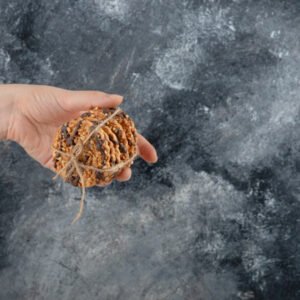
Bentonite rope, also known as bentonite waterstop or hydrophilic waterstop, is a flexible strip-like product made from sodium bentonite clay combined with rubber polymers. It’s designed to be embedded in concrete joints where it swells when exposed to water, creating a watertight seal that prevents moisture from passing through. Think of it as a self-healing barrier that activates exactly when you need it most.
Understanding the Composition of Bentonite Rope
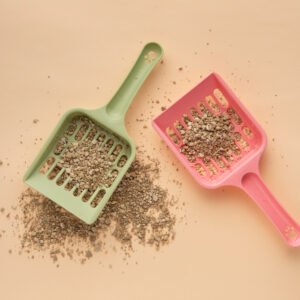
The magic behind bentonite rope lies in its material composition. At its core, this product contains sodium bentonite, a natural clay mineral with exceptional water-absorption properties. When bentonite encounters moisture, it can absorb several times its own weight and expand dramatically in volume. Reputable bentonite suppliers carefully process and quality-test this material to ensure consistent swelling performance, durability, and reliability for waterproofing and construction applications.
Most bentonite waterstops combine approximately 70-80% sodium bentonite with 20-30% butyl rubber or elastomeric binders. This rubber component serves a purpose. It holds the bentonite together, controls the swelling rate, and maintains the product’s structural integrity even after multiple wet-dry cycles.
The typical bentonite rope comes in rectangular or trapezoidal cross-sections, commonly measuring 20x25mm or 20x10mm. Some manufacturers offer sizes ranging from 10mm to 50mm in width and height, depending on the specific application requirements. CMS Industries produces various grades of sodium bentonite that can be used in these waterproofing applications, offering reliable performance in civil engineering projects.
How Does Bentonite Rope Work?
The working principle is straightforward but remarkable. When you install bentonite rope in a construction joint and later concrete is poured around it, the rope remains dormant as long as conditions stay dry. But when water tries to pass through the joint, something changes. This swelling behavior is similar in principle to how face mask clay absorbs excess oil and impurities when applied to the skin, although bentonite rope uses industrial-grade material specifically engineered for waterproofing—not cosmetic use.
The sodium bentonite within the rope begins absorbing water molecules. As it hydrates, the bentonite swells, typically expanding by 200-400% of its original volume. This expansion creates pressure against the surrounding concrete, forming a tight compression seal that blocks the water’s path. The confined space between concrete sections forces the swelling bentonite to fill every tiny gap, void, and imperfection in the joint.
What makes this particularly useful is the self-healing property. If minor cracks develop in the concrete over time due to settlement or structural movement, the bentonite can rehydrate and swell again, effectively resealing those small fissures. You get continuous protection that adapts to changing conditions throughout the structure’s lifetime.
Common Applications for Bentonite Waterstops
Bentonite rope finds its place in numerous below-grade applications where waterproofing is critical. Here’s where you’ll typically see it used:
Foundation Walls and Footings
Below-grade walls in basements require protection from groundwater pressure. Bentonite waterstops are embedded in horizontal construction joints between the footing and wall, as well as in vertical joints where concrete pours meet. This creates a continuous barrier around the entire foundation perimeter.
Tunnels and Underground Structures
Tunnel construction involves unique waterproofing challenges. Engineers use bentonite rope in segment joints, construction joints, and around penetrations. The product performs well under high hydrostatic pressure, making it suitable for subway systems, utility tunnels, and underground parking structures. CMS Industries supplies civil engineering bentonite for various tunneling and underground construction projects throughout India.
Water Containment Facilities
Reservoirs, water tanks, sewage treatment plants, and storm water systems need absolute waterproofing. Bentonite waterstops prevent both inward leakage (in tanks holding water) and outward seepage (in structures containing wastewater). The product resists water pressure up to 5-7 bar (approximately 50-70 meters of water head) when properly installed.
Retaining Walls and Diaphragm Walls
Vertical structures that hold back soil also face water pressure from the retained earth. Installing bentonite rope in the construction joints of these walls stops water migration that could undermine structural stability or cause internal flooding.
Parking Decks and Plaza Slabs
Multi-level parking structures built underground require waterproofing to prevent water from migrating down through levels. Bentonite rope in the slab joints keeps each level dry and prevents corrosion of reinforcing steel.
Technical Properties and Performance Specifications
Understanding the technical characteristics helps you select the right product and set proper expectations. Here are the properties that matter:
Swelling Capacity: Quality bentonite waterstops typically swell 300-400% in volume when exposed to fresh water. This expansion capability allows the product to seal gaps and fill voids effectively.
Pressure Resistance: Most bentonite ropes can withstand hydrostatic pressure between 5-8 bar when properly confined. Some specialized formulations perform at even higher pressures for demanding applications.
Temperature Range: Standard products function reliably from -30°C to +80°C, covering most construction conditions you’ll encounter.
Water Type Sensitivity: An important consideration is that bentonite performs best in fresh water. Salt water, contaminated groundwater, or water with high ion concentration can inhibit the swelling process, reducing effectiveness. Always test water samples in areas where these conditions might exist.
Dimensional Stability: Quality manufacturers control tolerances tightly. Look for width tolerance within ±0.5mm and thickness within ±0.2mm for consistent performance across the installation.
Installation Guidelines and Best Practices
Proper installation is the difference between a waterproof joint and a future problem. Follow these steps for reliable results:
Surface Preparation
Start with a clean, dry concrete surface. Remove all dust, debris, loose particles, grease, and oil. If the existing concrete has cracks or voids, repair them with cement-based mortar before installing the waterstop. The surface doesn’t need to be perfectly smooth, but avoid protrusions larger than 12mm.
Positioning
Place the bentonite rope at least 50-130mm from the concrete face, not right at the edge. This positioning ensures adequate concrete confinement around the waterstop, which is necessary for proper compression sealing. Mark the installation path to create a continuous loop without breaks.
Fixing Methods
Apply a thin bead of bentonite-compatible adhesive along the joint, then press the rope firmly into place. For additional security, use mechanical fasteners such as concrete nails with washers, spaced every 150-250mm. The goal is keeping the waterstop from shifting during the concrete pour.
Joint Connections
When connecting rolls, use butt joints rather than overlaps. Place the ends side by side with 50-60mm of parallel contact. Some installers use a small amount of adhesive at connections for extra security. Avoid cutting the rope on site with regular tools. Use proper splicing methods to maintain continuous swelling properties.
Concrete Pour Timing
Pour the concrete within 4-6 hours after installation in normal weather. In hot conditions, reduce this window to 4 hours. Keep the waterstop dry until the pour occurs. If weather changes, cover the installation area to prevent premature hydration. During the pour, take care that vibrators don’t strike or dislodge the waterstop.
Minimum Concrete Coverage
Ensure at least 50mm of concrete surrounds the waterstop on all sides. This confinement is what allows the product to generate the pressure needed for effective sealing when it swells.
Advantages Over Alternative Waterproofing Methods
Why choose bentonite rope instead of other joint sealing options? Several factors tip the scales:
Bentonite waterstops install faster than traditional PVC or rubber waterstops that require heat welding at joints. The simple adhesive and nail approach saves labor hours on large projects.
The self-healing capability provides ongoing protection. If the structure settles slightly or develops hairline cracks, the bentonite responds by rehydrating and sealing those new openings—something conventional waterstops can’t do. However, it’s important to distinguish this engineered performance from bentonite clay side effects discussed in cosmetic or ingestible contexts, where improper use may cause skin dryness, irritation, or digestive discomfort. In construction applications, bentonite is used externally and poses no such health concerns when handled according to safety guidelines.
Cost effectiveness is another benefit. Bentonite rope typically costs less per linear meter than premium rubber waterstops, and the simplified installation reduces labor expenses.
The product works well in complex joint configurations. Its flexibility allows it to follow irregular paths around penetrations, corners, and architectural features where rigid waterstops become difficult to install.
Environmental considerations also matter. Bentonite is a naturally occurring clay mineral that requires minimal processing. It breaks down naturally at the end of its service life without leaving toxic residues, unlike some synthetic waterproofing materials.
Common Mistakes to Avoid
Even experienced contractors make these errors that compromise performance:
Installing too close to the concrete edge means insufficient confinement. The bentonite needs concrete pressure from all sides to seal properly.
Allowing the waterstop to get wet before the concrete pour triggers premature swelling. Once activated outside of confinement, the product loses its sealing capability.
Creating gaps or breaks in the installation path leaves weak spots where water can bypass the protection. Every joint must have continuous coverage.
Using bentonite rope in expansion joints or movement joints is inappropriate. This product works only in static, non-moving joints. Joints that experience significant opening and closing need different solutions.
Overlooking water quality analysis in marine or industrial environments can lead to poor performance. Test the groundwater chemistry and consult with manufacturers like CMS Industries about suitable bentonite grades for challenging conditions.
Maintenance and Long-Term Performance
One of bentonite rope’s strengths is the minimal maintenance requirement. Once properly installed and encased in concrete, the system needs no ongoing service. The bentonite remains stable and ready to respond whenever water appears.
Service life typically matches the concrete structure itself, often 50-100 years or more. The clay doesn’t degrade like organic materials and maintains its swelling properties indefinitely as long as it stays protected within the concrete.
If a leak does develop, it usually indicates an installation error rather than product failure. Common causes include gaps in coverage, insufficient confinement, or joints that experience more movement than anticipated.
Choosing the Right Bentonite Waterstop
Not all bentonite ropes perform identically. When selecting a product, consider these factors:
Look for manufacturers who control quality through certified processes. Products should meet relevant standards for swelling capacity, pressure resistance, and dimensional accuracy.
Verify the bentonite content percentage. Higher sodium bentonite content (75-80%) generally provides better swelling and sealing performance.
Check if the manufacturer offers technical support for your specific application. Complex projects benefit from expert guidance on product selection and installation techniques.
Consider the environmental conditions. Projects in seawater, contaminated soil, or aggressive chemical environments may need specially formulated products with modified bentonite or additional protective coatings.
Conclusion
Bentonite rope represents a practical, cost-effective solution for waterproofing construction joints in below-grade concrete structures. Its unique swelling properties create reliable barriers against water infiltration, while the self-healing capability provides long-term protection that adapts to minor structural movements.
From basement foundations to major tunnel projects, this hydrophilic waterstop technology has proven its worth across diverse applications. The key to success lies in proper product selection, careful installation following manufacturer guidelines, and understanding the limitations regarding water chemistry and joint movement.
Whether you’re a contractor planning your next below-grade project or an engineer specifying waterproofing systems, CMS Industries deserves consideration as part of your moisture protection strategy. With quality materials from experienced suppliers and attention to installation details, you can create watertight structures that stand the test of time.
Frequently Asked Questions
What is the difference between bentonite rope and traditional waterstops?
Bentonite rope is a hydrophilic (water-swelling) waterstop made primarily from sodium bentonite clay and rubber polymers, while traditional waterstops are typically PVC or rubber profiles that create a physical barrier. Bentonite rope swells when exposed to water to fill gaps and voids, offers self-healing properties, and installs more quickly without requiring heat welding. Traditional waterstops provide a permanent physical barrier but cannot adapt to minor cracks or settlements that develop after installation.
Can bentonite waterstop be used in expansion joints?
No, bentonite waterstops should only be used in non-moving construction joints and cold joints. They are not designed for expansion joints, contraction joints, or any joints that experience significant movement or opening and closing cycles. For those applications, flexible rubber waterstops or specialized expansion joint systems are required. Using bentonite rope in movement joints can cause the seal to fail or damage the concrete due to excessive stress.
How long does bentonite rope take to swell when water makes contact?
The swelling process begins immediately upon contact with water, but full expansion typically takes 24-48 hours depending on the water pressure, temperature, and bentonite formulation. In high-pressure situations, the swelling accelerates and can reach effective sealing capacity within hours. The gradual swelling prevents sudden pressure spikes that could damage concrete, while still providing timely protection when water appears at the joint.
Does bentonite waterstop work in saltwater or contaminated groundwater?
Standard bentonite waterstops perform best in freshwater environments. Saltwater and groundwater with high ion concentrations can significantly inhibit the swelling process, reducing effectiveness by 50% or more. If your project involves marine environments or contaminated soil, consult manufacturers about specially formulated products designed for these conditions. Some modified bentonite waterstops include additives that improve performance in challenging water chemistry, though they typically cost more than standard products.
What minimum concrete coverage is required around a bentonite waterstop?
A minimum of 50mm (2 inches) of concrete must surround the bentonite waterstop on all sides for proper performance. This confinement allows the swelling bentonite to build up sufficient pressure against the concrete to create an effective seal. Insufficient coverage means the bentonite may push through gaps or fail to generate adequate sealing pressure. Additionally, position the waterstop at least 50-130mm from the concrete face, not right at the edge, for optimal confinement and long-term durability.