


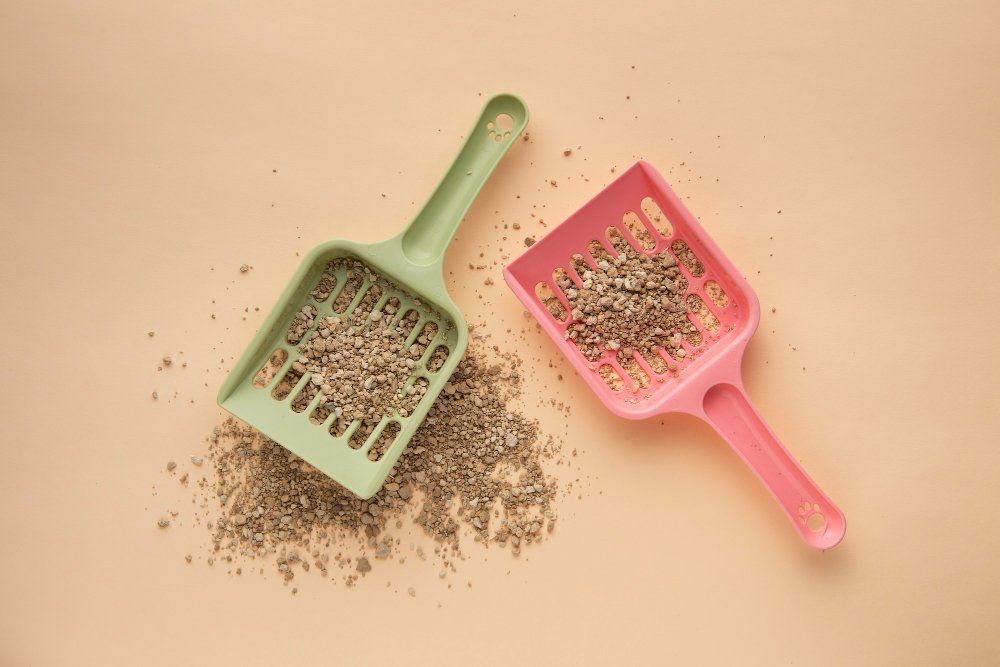
Cat owners face a daily challenge: keeping their homes fresh while maintaining their pet’s comfort. Walk into any pet store today, and you’ll find bentonite sand litter dominating the shelves. But what makes this particular type of litter so popular?
Bentonite sand litter is a clumping cat litter made from natural bentonite clay that absorbs moisture and forms solid clumps when it comes into contact with liquid. This volcanic ash-derived material has become the go-to choice for millions of cat owners worldwide, thanks to its ability to make litter box maintenance simpler and more effective.
The Science Behind Bentonite Sand Litter
The story of bentonite sand litter begins deep in the earth. Formed from volcanic ash millions of years ago, bentonite clay consists primarily of montmorillonite minerals. These minerals possess a unique molecular structure that creates their remarkable absorption properties. Today, bentonite manufacturers and suppliers extract, process, and grade this natural clay to meet specific requirements for applications such as cat litter, drilling fluids, construction sealing, and industrial absorbents, ensuring consistent quality and performance across markets.
When bentonite comes into contact with water or urine, something remarkable happens. The clay can absorb up to several times its dry weight in liquid and expand to 15 times its original volume. This isn’t just marketing hype. According to Imerys, a leading minerals company, bentonite absorbs 3.5 times its own weight when in contact with liquids, forming clumps that can be easily scooped up.
Two Types of Bentonite Clay
Not all bentonite clay is created equal. There are two main varieties used in cat litter production:
Sodium Bentonite: This type exhibits superior swelling and clumping properties. It’s the preferred choice for premium clumping litters because it forms tight, solid clumps that don’t crumble apart during scooping. Most commercial bentonite sand litters use sodium bentonite as their primary ingredient.
Calcium Bentonite: While still absorbent, calcium bentonite swells less than its sodium counterpart. Manufacturers typically use it in budget-friendly products or non-clumping formulas.
CMS Industries specializes in producing high-quality bentonite clay products, including their CMS CATBENT line designed specifically for pet care applications.
How Bentonite Sand Litter Works
Here’s what happens when your cat uses a litter box filled with bentonite sand:
The clay granules immediately begin absorbing liquid. Within seconds, the affected particles swell and bind together. This creates a solid clump that encapsulates both the liquid and the odor. The rest of the litter remains dry and clean, ready for your cat’s next visit.
This clumping action serves multiple purposes. First, it makes waste removal straightforward. You can scoop out only the soiled portions, leaving clean litter behind. Second, it traps ammonia and other odor-causing compounds within the clumps, preventing them from spreading throughout your home.
Key Benefits of Bentonite Sand Litter
Superior Clumping Performance
The clumping ability of bentonite sand litter stands out as its most praised feature. According to ARM & HAMMER, a major pet care manufacturer, bentonites can swell up to 15 times their original volume, making them exceptionally effective for cat litter applications. Cat owners consistently report that these clumps hold their shape well during scooping and don’t stick to the bottom of the litter box.
Natural Odor Control
Bentonite clay acts as a natural deodorizer. Its high absorbent capacity allows it to trap moisture quickly, which prevents the decomposition process that creates unpleasant odors. The clay’s molecular structure also helps neutralize ammonia smells without requiring added fragrances or chemicals.
Cost-Effective Solution
While bentonite sand litter might cost slightly more than basic clay litters, it actually saves money over time. Because you only remove clumps rather than changing all the litter, a single bag lasts longer. One bag can typically serve a single cat for several weeks, depending on usage patterns.
Familiar Texture for Cats
Cats naturally prefer sandy textures for their bathroom needs. Bentonite sand litter mimics the feel of natural sand or soil, which makes it highly acceptable to most cats. This sandy consistency also means less resistance when cats dig and cover their waste.
Understanding the Manufacturing Process
CMS Industries and other manufacturers follow a specific process to create quality bentonite sand litter:
First, they extract bentonite clay from mines. India has significant bentonite deposits, particularly in the Kutch region of Gujarat where CMS Industries operates its mining facilities. The raw clay arrives at processing plants where it undergoes crushing to break down large chunks into smaller pieces. From there, the material is processed into different types of bentonite powder—such as sodium bentonite, calcium bentonite, activated bentonite, and granular bentonite—each tailored for specific applications including drilling, foundry work, cat litter, cosmetics, agriculture, and construction.
Next, the crushed clay goes through grinding to create fine particles. The particle size varies depending on the intended product. Fine granules produce softer, low-dust litter, while coarser particles create heavier, less-tracking options.
The ground clay then enters drying chambers to remove moisture. This step improves absorbency and activates the clumping properties. Manufacturers screen and sort the particles by size to ensure consistency.
Some products receive additional treatments like odor-control agents, dust-reduction coatings, or natural fragrances. Finally, the finished product is packaged in various sizes for retail distribution.
Comparing Bentonite Sand Litter to Alternatives
Bentonite vs. Regular Clay Litter
Regular non-clumping clay litter requires complete changes every few days. Bentonite sand litter clumps firmly, allowing spot cleaning that extends the time between full litter box changes. This difference in clumping ability comes from bentonite’s unique swelling properties.
Bentonite vs. Silica Crystal Litter
Silica crystal litter absorbs moisture without clumping. While it can last longer between changes, many cats dislike the texture. Bentonite sand litter offers a more natural feel that cats typically accept better.
Bentonite vs. Plant-Based Litters
Plant-based options like wood, corn, or tofu litters appeal to environmentally conscious owners. These biodegradable alternatives produce less dust and can be flushed or composted. Bentonite sand litter, while not biodegradable, offers superior clumping and odor control at a lower price point.
Using Bentonite Sand Litter Correctly
Getting the best results from bentonite sand litter requires proper technique:
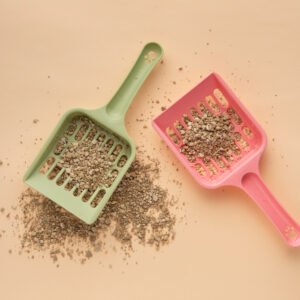
Fill your litter box with a layer at least 5–7 centimeters deep. This depth allows proper clumping and prevents clumps from sticking to the bottom, especially when using bentonite powder for pets, which is designed for high absorbency and strong odor control. Scoop waste daily using a slotted scoop designed for clumping litter. Remove both solid waste and urine clumps each day to maintain hygiene and ensure a clean, pet-safe environment.
Add fresh litter as needed to maintain the proper depth. Plan to completely empty and clean the litter box once a month. Wash it with mild soap and water, then dry thoroughly before refilling.
When switching to bentonite sand litter from another type, do it gradually. Start by mixing 10% of the new litter with 90% of the old. Over several weeks, slowly increase the ratio until you’ve completely transitioned. Watch your cat for any signs of reluctance during this process.
Considerations and Potential Concerns
Dust Levels
Bentonite naturally produces some dust when poured or scooped. Most manufacturers now offer low-dust formulas that minimize this issue. If you or your cat have respiratory sensitivities, look for products specifically marketed as dust-free or ultra-low dust.
Weight
Bentonite sand litter is heavier than many alternatives. A full litter box can weigh considerably more than one filled with lightweight plant-based options. This weight can make carrying and pouring more challenging, especially for those with mobility issues.
Tracking
The fine particles of bentonite sand can stick to cat paws and get tracked outside the box. Placing a litter mat near the box helps catch these particles. Some brands offer larger granules that reduce tracking while maintaining clumping ability.
Environmental Impact
Bentonite mining involves strip mining, which can affect the environment. The clay is also non-biodegradable, meaning used litter ends up in landfills. Never flush bentonite sand litter down toilets, as its cement-like clumping properties can block plumbing and sewage systems.
CMS Industries: Quality Bentonite Solutions
As one of India’s largest bentonite manufacturers, CMS Industries brings decades of expertise to their cat litter products. Their CMS CATBENT line features high clumping and absorbent properties, along with the ability to prevent germ growth. The company operates mines in the Kutch region and processes over 9,000 metric tons of bentonite powder monthly.
CMS Industries maintains ISO 9001:2015 certification, ensuring consistent quality standards across their product range. Their strategic location near major ports facilitates both domestic distribution and international exports.
Making the Right Choice
Choosing bentonite sand litter makes sense for many cat owners, particularly those who:
- Want effective clumping for easy daily maintenance
- Need strong natural odor control without added fragrances
- Prefer a cost-effective long-term solution
- Have cats that are particular about litter texture
The key is finding a quality product from a reputable manufacturer. Look for low-dust formulations if respiratory health is a concern. Check the particle size based on your tracking issues. And consider whether you want scented or unscented options.
Conclusion
Bentonite sand litter has earned its place as a popular choice among cat owners through decades of proven performance. Its natural clumping ability, effective odor control, and cost-effectiveness make it a practical solution for maintaining a clean litter box environment.
Understanding what bentonite sand litter is and how it works helps you make informed decisions about your cat’s care. Whether you choose products from CMS Industries or other manufacturers, look for quality indicators like low dust, firm clumping, and natural ingredients.
The right litter makes life easier for both you and your cat. With proper use and maintenance, bentonite sand litter can help keep your home fresh while providing your feline friend with a comfortable bathroom experience.
Frequently Asked Questions
Q: How long does bentonite sand litter last before needing complete replacement?
A: With proper daily scooping, bentonite sand litter can last 3-4 weeks for a single cat before requiring complete replacement. Multi-cat households may need to change it more frequently. The key is maintaining the proper depth by adding fresh litter as you remove clumps daily.
Q: Is bentonite sand litter safe for kittens?
A: Bentonite sand litter is generally safe for kittens over 3 months old. Young kittens sometimes eat litter out of curiosity, and ingested bentonite can swell in their digestive system. For kittens under 3 months, consider non-clumping or plant-based alternatives until they mature.
Q: Can I flush bentonite sand litter down the toilet?
A: Never flush bentonite sand litter down toilets. The material’s clumping properties can cause serious blockages in your plumbing and municipal sewage systems. Always dispose of scooped clumps and used litter in sealed trash bags according to local waste management guidelines.
Q: Why does my bentonite litter stick to the bottom of the box?
A: Litter sticking to the bottom usually means the layer is too shallow. Maintain a depth of at least 5-7 centimeters. Some owners also spray the bottom of clean boxes with cooking spray to create a non-stick surface before adding litter.
Q: How do I reduce dust from bentonite sand litter?
A: Choose products specifically labeled as low-dust or ultra-low dust. Pour litter slowly and close to the box bottom to minimize air disturbance. Some manufacturers add mineral oil or other dust-control agents. Consider wearing a mask during litter changes if dust is a significant concern.