


If you’ve been scooping your cat’s litter box and wondering about its environmental impact, you’re not alone. Millions of cat parents across India and worldwide are asking a simple but important question: is bentonite cat litter biodegradable? Let’s break down what you need to know about this popular cat litter material and whether it’s kind to our planet.
What Is Bentonite Cat Litter?
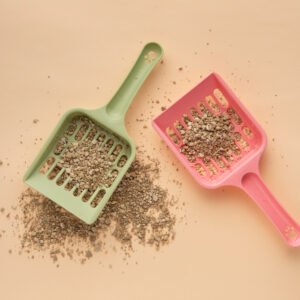
Bentonite is a natural clay formed from volcanic ash that settled in water millions of years ago. It consists mainly of montmorillonite, a mineral that gives the clay its signature superpower: the ability to absorb moisture and clump tightly. This unique property is what makes cat litter bentonite so effective. When your cat uses the litter box, bentonite expands on contact with liquid and forms solid clumps you can easily scoop out, keeping the box cleaner and odors under control.
Two main types dominate the market:
- Sodium bentonite: Swells dramatically when wet (up to 15 times its dry volume), creating tight clumps
- Calcium bentonite: Swells less but offers other benefits for specific uses
Cat owners favour sodium bentonite for its superior clumping ability and odour control. Manufacturers extract it through surface mining, primarily from deposits in regions like Gujarat, India, Wyoming in the US, Turkey, and Greece.
Is Bentonite Cat Litter Biodegradable? The Short Answer
No, bentonite cat litter is not biodegradable in the way organic materials break down.
Because bentonite is a mineral clay with a stable molecular structure, it does not break down or decompose over time in a manner typical of organic substances. Unlike plant-based materials such as leaves or food waste that microorganisms can digest, bentonite clay maintains its structure for centuries in landfills.
Think of it this way: bentonite formed over millions of years from volcanic material. It’s not going to break down in your lifetime or your great-great-grandchildren’s lifetime. It stays intact for decades or even centuries once disposed.
Why Doesn’t Bentonite Break Down?
The science is straightforward. Bentonite’s mineral composition makes it chemically stable. While organic materials decompose through biological processes, clay minerals don’t participate in these natural cycles. The montmorillonite structure in bentonite resists degradation, which actually makes it useful for industrial applications like sealing landfills but problematic when it becomes waste itself.
Bentonite clay litter will not decompose in a compost pile, and it’s not recommended to be used in composting facilities. If you’ve tried composting clay litter, you’ve probably noticed it just sits there unchanged while everything else breaks down around it.
The Environmental Concerns With Bentonite Cat Litter
Cat litter might seem like a small household item, but its environmental footprint adds up quickly. Let’s look at the bigger picture.
Mining Impact
Bentonite extraction happens through strip mining, also called surface mining. This process involves removing the top layers of soil and vegetation to access clay deposits underneath. While mining companies in countries like India work to restore mined areas by backfilling pits and replanting vegetation, the mining process still temporarily disrupts habitats and requires energy-intensive equipment.
Landfill Waste That Lasts
Here’s the real problem: millions of cats worldwide use bentonite litter daily. All that used litter ends up in municipal waste systems, where it occupies landfill space indefinitely. Unlike biodegradable alternatives that return to soil within months, bentonite litter contributes to long-term waste accumulation.
For context, the global bentonite cat litter market was valued at USD 2.83 billion in 2021 and is expected to reach USD 4.11 billion by 2029. That’s a lot of non-biodegradable clay entering landfills every year.
You Cannot Flush It
Despite bentonite’s clumping ability, flushing it down the toilet is never recommended. The clay expands when wet, so it’s not designed to be disposed of through plumbing. Beyond potential plumbing disasters, cat waste can contain parasites that municipal water treatment systems aren’t designed to handle effectively.
What About “Natural” Claims?
You’ll often see bentonite cat litter marketed as “natural,” which is technically true since it comes from the earth. But don’t confuse natural with biodegradable. Rocks and minerals are natural too, yet they don’t break down within meaningful timeframes. This distinction becomes especially important when comparing alternatives, such as in calcium bentonite vs paper bentonite, where paper-based litters clearly outperform mineral litters in terms of compostability and landfill impact.
CMS Industries, a leading bentonite manufacturer and exporter based in Gujarat, India, processes both sodium and calcium bentonite for a wide range of industrial uses, including its CMS CATBENT® cat litter product. While calcium bentonite can be less expansive than sodium bentonite, both forms remain mineral-based. That means, despite excellent clumping and absorbent performance, they share the same core environmental limitation: bentonite litter does not biodegrade and persists in landfills long after disposal.
The Other Side: Why Cat Owners Still Choose Bentonite
Despite environmental concerns, bentonite remains the most popular cat litter type globally. Why? It genuinely works well:
- Excellent Clumping: Sodium bentonite forms rock-solid clumps that make scooping easy and keep the rest of the litter clean and reusable.
- Superior Odour Control: The clay’s absorbent properties trap moisture and odours effectively, which matters when you’re sharing your home with a litter box.
- Cost-Effective: Bentonite cat litter typically costs less than many eco-friendly alternatives, making it accessible for budget-conscious pet owners.
- Widely Available: You can find bentonite litter in virtually any pet store or supermarket across India and worldwide.
- Long-Lasting: Because you only scoop out the clumps, a single bag lasts longer than non-clumping alternatives that require complete changes more frequently.
Biodegradable Cat Litter Alternatives
If the environmental impact of bentonite concerns you, several plant-based options break down naturally. Each has trade-offs worth considering.
Corn-Based Litter
Made from ground corn kernels, this option clumps reasonably well and controls odours naturally through corn starches and enzymes. It’s biodegradable and some brands allow flushing in small amounts. The texture feels finer than bentonite, which some cats prefer. Watch for tracking, though, as light granules can scatter outside the box.
Wheat Litter
Wheat-based litter uses natural wheat enzymes for odour control and clumping. It’s biodegradable and generally low-dust. Store it carefully since moisture can lead to mould growth, and grain-based litters can attract pests if not kept sealed.
Tofu/Soy Litter
Popular in Asia and gaining traction globally, tofu litter is made from soybean processing byproducts. It’s biodegradable, low-dust, and many brands can be safely flushed. The soft pellets feel gentle on paws, though they may not form clumps as tight as bentonite.
Wood Pellet Litter
Made from compressed sawdust or wood waste, pellet litter offers natural pine scent and good absorbency. It breaks down when saturated, turning to sawdust that settles at the bottom. Fully biodegradable and compostable (after removing solid waste), though it doesn’t clump in the traditional sense.
Paper Litter
Recycled paper litter is incredibly soft and virtually dust-free, making it ideal for cats with respiratory sensitivities or recovering from surgery. It absorbs well but doesn’t clump, requiring more frequent complete box changes. Odour control lags behind other options.
Making the Switch: Practical Considerations
Before rushing to replace your bentonite litter, think through these factors:
Your Cat’s Preferences: Cats can be particular about litter texture and scent. A gradual transition mixing new litter with old helps cats adjust without litter box aversion.
Multi-Cat Households: Eco-friendly litters may require more frequent scooping or changing in homes with multiple cats. Factor in the extra maintenance time.
Budget: Biodegradable options typically cost more than bentonite. Calculate monthly costs based on your usage patterns.
Availability: While CMS Industries and other manufacturers make bentonite readily available across India, some plant-based alternatives may be harder to find locally or require online ordering.
Performance: Be realistic about your tolerance for tracking, dust, or weaker odour control during the adjustment period.
Can You Reduce Bentonite Litter’s Impact?
If you’re not ready to switch away from bentonite cat litter completely, you can still minimise environmental harm:
- Use Only What You Need: Don’t overfill the litter box. A 5-8 cm depth is typically sufficient for effective clumping.
- Scoop Daily: Regular removal of clumps means you’ll need fewer complete litter changes, reducing overall waste.
- Buy in Bulk: Larger packages mean less packaging waste per kilogram of litter. CMS Industries and other suppliers often offer bulk options that reduce plastic bag usage.
- Choose Unscented Varieties: Fragranced litters contain additional chemicals. Plain bentonite is simpler and often better for cats with sensitivities.
- Explore Mixed Options: Some manufacturers now blend bentonite with biodegradable materials, offering a compromise between performance and environmental impact.
What Does CMS Industries Offer?
CMS Industries specialises in manufacturing and exporting various grades of bentonite from their facilities in Gujarat, India. Their CMS CATBENT® product features high clumping ability, absorbent properties, and odour control through natural bentonite characteristics. As India’s largest bentonite mine owner and processor, they supply sodium and calcium bentonite to over 40 countries for cat litter and other industrial applications.
While their bentonite products deliver reliable performance for cat litter needs, the fundamental nature of bentonite means these products share the biodegradability limitations discussed throughout this article.
The Bigger Picture
The question “is bentonite cat litter biodegradable?” has a clear answer: no. But that doesn’t mean you’re a bad pet owner for using it. Environmental responsibility involves weighing multiple factors, including what’s practical for your household and your cat’s wellbeing.
Interestingly, bentonite’s non-biodegradable nature is also what makes it useful in other fields. For example, in winemaking, guides like bentonite in primary fermentation explain how the same clay is deliberately added to wine to bind proteins and settle out as sediment. In both cases—wine clarification and cat litter—bentonite is valued for stability and performance rather than decomposition.
Some cat parents choose to continue using bentonite for its clumping strength and affordability while reducing their environmental footprint in other ways. Others prioritise switching to plant-based litters despite higher costs or occasional performance trade-offs. Both approaches are valid.
What matters is making informed choices. Now that you understand bentonite cat litter won’t break down in landfills, you can decide what works best for your lifestyle, budget, and values—without guilt, just awareness.
Frequently Asked Questions
Q1: How long does bentonite cat litter take to decompose in a landfill?
Bentonite cat litter does not decompose in any meaningful timeframe. As a mineral clay, it can remain unchanged for centuries or longer in landfill conditions. Unlike organic materials that microorganisms break down within months to a few years, bentonite’s stable molecular structure resists natural degradation processes completely.
Q2: Can I compost used bentonite cat litter in my garden?
No, you should not compost bentonite cat litter. The clay will not break down in your compost pile and will simply contaminate your finished compost with inorganic material. Additionally, cat waste can contain harmful pathogens and parasites that pose health risks to humans, so composting any cat litter requires special precautions and shouldn’t be used on edible plants.
Q3: Is bentonite cat litter safe for my cat even if it’s not biodegradable?
Generally yes, bentonite cat litter is considered safe for adult cats when used properly. The clay itself is non-toxic and natural. However, some concerns exist: dusty formulations may irritate respiratory systems, and if cats ingest significant amounts while grooming, the clay can potentially cause digestive blockages since it swells when wet. Choose low-dust varieties and watch kittens carefully, as they’re more likely to taste litter.
Q4: Which eco-friendly cat litter works most like bentonite for clumping?
Corn-based and wheat-based litters offer the closest clumping performance to bentonite among biodegradable options. The natural starches in these grains create reasonably firm clumps when wet. Tofu litter also clumps well, though the clumps form slightly slower and may be softer than bentonite. While none match bentonite’s rock-solid clumping perfectly, these alternatives perform well enough for most households.
Q5: Does CMS Industries offer any biodegradable alternatives to bentonite cat litter?
CMS Industries specialises in bentonite manufacturing and processing, offering various grades of sodium and calcium bentonite including their CMS CATBENT® cat litter product. Their focus is on mineral-based bentonite applications rather than plant-based biodegradable alternatives. Cat owners seeking biodegradable options would need to explore products from manufacturers specialising in corn, wheat, tofu, or wood-based litters.