


Picking the right cat litter can feel like choosing between two equally good friends. Both bentonite and tofu cat litter have their fans, and both work well in different situations. If you’re standing in the pet store aisle wondering which one to grab, this guide will help you figure it out.
The real question isn’t which one is better overall. It’s which one is better for your cat, your home, and your lifestyle.
What Is Bentonite Cat Litter?
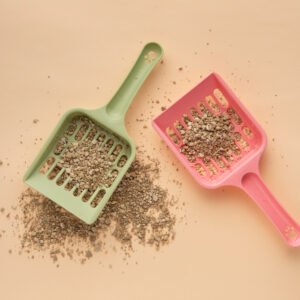
Cat litter bentonite is made from natural volcanic ash that has been processed into fine granules. When it comes into contact with moisture, the clay swells and forms tight, solid clumps that are easy to scoop out, keeping the litter box cleaner for longer.
This type of litter has been around since 1984, when a biochemist named Thomas Nelson discovered that bentonite clay naturally clumps when exposed to liquid. Before this discovery, cat owners had to replace entire litter boxes every few days, making maintenance more time-consuming and costly.
Bentonite cat litter can absorb roughly 3.5 times its own weight in liquid. This high absorbency is what creates the firm, rock-like clumps that simplify daily cleaning. The global bentonite cat litter market was valued at approximately USD 2.83 billion in 2021 and is projected to reach around USD 4.11 billion by 2029, highlighting the continued popularity and widespread adoption of cat-litter-bentonite worldwide.
How Bentonite Cat Litter Works
When your cat uses the litter box, the bentonite granules absorb the liquid and swell up. The sodium in sodium bentonite creates especially strong clumps. These clumps trap the waste and seal in odours, making it easy to scoop out just the soiled portions while leaving the clean litter behind.
Companies like CMS Industries manufacture high-quality bentonite cat litter with superior clumping and odour control properties. The material is naturally sun-dried and consists of features that support instant clumping and natural odour control.
What Is Tofu Cat Litter?
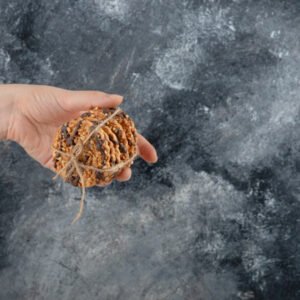
Tofu cat litter is made from soybean pulp left over after making soy milk and tofu. Instead of throwing away this food-grade material, manufacturers dry it and compress it into cylindrical pellets.
The pulp is dried and compressed into cylindrical pellets that are lightweight, non-tracking, and virtually dust-free. The pellets are soft on your cat’s paws and break down naturally when disposed of.
Unlike bentonite, tofu litter is a newer option that’s gained popularity in recent years. It appeals to cat parents who want something biodegradable and gentler on the environment.
How Tofu Cat Litter Works
The soybean fibres in tofu litter absorb moisture quickly. When they get wet, they swell and bind together to form clumps. The clumps aren’t as rock-hard as bentonite, but they’re still scoopable if you clean the box regularly.
Many brands add natural deodorisers like baking soda or charcoal to boost odour control. The larger pellet size means less tracking around your house.
Bentonite Cat Litter Vs Tofu: Performance Comparison
Let’s look at how these two types stack up in the areas that matter most to cat owners.
Clumping Ability
Bentonite: Forms instant, rock-hard clumps that hold together when you scoop them. The clumps don’t break apart easily, which makes cleaning fast and thorough.
Tofu: Creates softer clumps that take a bit longer to form. In humid conditions, the clumps can get mushy. You need to scoop more frequently to prevent them from breaking apart.
Winner: Bentonite wins on pure clumping strength.
Odour Control
Bentonite: Traps ammonia smells effectively thanks to its density and sodium content. Premium versions often include added odour neutralisers for extra protection.
Tofu: Relies on natural absorption and sometimes essential oils. Works well for daily maintenance but may not last as long between full changes.
Winner: Bentonite edges ahead, especially for multi-cat homes.
Dust Levels
Bentonite: Produces fine dust particles when you pour it or when your cat digs. Even low-dust versions release some particles. The dust produced by traditional clay litters contains crystalline silica, a known respiratory irritant.
Tofu: Almost dust-free. The larger pellets don’t break down into fine particles, which is healthier for cats and humans with respiratory sensitivities.
Winner: Tofu litter is clearly better for air quality.
Tracking
Bentonite: The heavier granules still track, especially with fine-grain varieties. You’ll find litter scattered around the box area.
Tofu: Lighter pellets can stick to paws and get carried out of the box. Some cats track tofu litter more than clay, though the larger pellet size helps reduce this.
Winner: It’s a tie. Both have tracking issues, just in different ways.
Absorption
Bentonite: Absorbs liquid almost instantly and can hold 3.5 times its weight in moisture. The clumps form quickly, preventing pooling.
Tofu: Absorbs more slowly and forms looser clumps. You might notice dampness between cleanings if you don’t scoop frequently.
Winner: Bentonite absorbs faster and more thoroughly.
Environmental Impact: Bentonite Cat Litter Vs Tofu
This is where the two types differ significantly.
Bentonite’s Environmental Footprint
Bentonite is strip-mined from the earth, which disrupts ecosystems and uses substantial amounts of water and energy. Once used, it sits in landfills for decades without breaking down.
The mining process isn’t eco-friendly, even though the material itself is natural. You must dispose of bentonite litter in the rubbish, and it can’t be composted.
Tofu’s Green Credentials
Tofu litter repurposes agricultural waste that would otherwise be thrown away. Soybeans are renewable, and the manufacturing process has a lighter environmental impact than mining.
Unlike clay litter, which is mined and non-biodegradable, tofu litter breaks down naturally, minimising landfill impact. Many brands are compostable or flushable in small amounts, though you should always check local regulations first.
The Sustainability Winner
Tofu litter is the clear winner for eco-conscious cat parents. It’s biodegradable, compostable, and uses waste materials. CMS Industries recognises this growing trend towards sustainability in pet products, though their speciality remains high-quality bentonite production.
Health and Safety Considerations
Both types of litter are generally safe, but there are some health factors to consider.
For Your Cat
Bentonite: Safe for most cats, but the dust can irritate sensitive respiratory systems. Kittens sometimes ingest litter while learning to use the box, and bentonite can cause digestive issues if eaten in large amounts. Interestingly, bentonite is also used in skincare products like calamine lotion bentonite used in calamine lotion comes down to its ability to absorb moisture, soothe irritation, and bind impurities. While these properties are beneficial in topical medical products, ingestion in pets should still be minimized.
Tofu: Made from food-grade materials, so it’s safer if your cat accidentally ingests some. Since it is derived from edible ingredients, accidental consumption is typically less harmful than with mineral-based litters. The dust-free formula is also gentler on cats with allergies or asthma.
For You
Bentonite: The silica dust may pose respiratory risks with long-term exposure, especially in poorly ventilated spaces. The heavy bags can also put strain on your back during lifting and cleaning.
Tofu: Virtually dust-free, which helps maintain cleaner indoor air. Lightweight bags make handling and storage easier.
Safety Winner
Tofu litter is generally safer for both cats and humans, particularly in households dealing with allergies, asthma, or respiratory sensitivities.
Cost Analysis: Which Offers Better Value?
Price matters, especially if you have multiple cats.
Upfront Costs
Bentonite: Budget-friendly, with bags typically costing ₹300-600 for a 5kg bag. It’s widely available at every pet shop.
Tofu: More expensive, usually ₹600-1200 for a similar-sized bag. The price reflects the processing costs and premium positioning.
Long-Term Value
Bentonite: You’ll use less per cleaning because the clumps are tight and efficient. A bag lasts longer, which helps offset the lower price.
Tofu: While pricier upfront, the high absorbency means you might use less overall. Some owners find they replace it less frequently, which can balance the cost.
Budget Winner
Bentonite wins on pure affordability. Tofu costs more but offers enough benefits that many owners consider it worth the investment.
Practical Considerations for Indian Pet Owners
Living in India adds some specific factors to consider.
Climate Matters
India’s humid climate can affect both types. Bentonite stays stable, but tofu litter can develop mould if stored improperly. You need to keep tofu litter in a cool, dry, well-ventilated space.
The monsoon season is particularly challenging for tofu litter. Make sure your storage area stays dry.
Availability
Bentonite litter is everywhere. You can find it in neighbourhood pet shops, supermarkets, and online. CMS Industries is one of the leading bentonite cat litter manufacturers and exporters in India, supplying to over 40 countries worldwide.
Tofu litter is growing in availability but might require ordering online. Stock can be inconsistent in smaller cities.
Disposal Options
Bentonite: Goes in the rubbish bin. Not flushable and not compostable.
Tofu: Can be flushed in small amounts (check your plumbing first) or composted. Some municipalities have restrictions on flushing pet waste, so verify local rules.
What Do Cats Actually Prefer?
Texture Preferences
Fine, sandy particles resemble natural soil, which many cats instinctively prefer. Bentonite’s texture feels more like what cats would naturally use outdoors. This same fine-particle behavior is also why bentonite is effective in other applications such as bentonite in primary fermentation in winemaking, where its ability to bind and settle particles is highly valued.
Tofu pellets are softer and gentler on paws. Some cats love this, while others find it unfamiliar compared to the soil-like feel of traditional clays.
Transitioning Tips
If you want to switch from bentonite to tofu (or vice versa), do it gradually. Mix the new litter with the old one, increasing the proportion of new litter over 7–10 days. This gives your cat time to adjust.
Cats are creatures of habit. A sudden change can lead to litter box avoidance, which creates bigger problems than choosing the wrong litter type
When to Choose Bentonite Cat Litter
Go with bentonite if you:
- Need the strongest clumping power available
- Have multiple cats or large cats that produce more waste
- Want the most affordable option
- Live in a humid climate where mould is a concern
- Prefer widely available products you can buy anywhere
- Don’t mind heavier bags and some dust
CMS Industries offers excellent bentonite cat litter with superior absorbent properties, natural odour control, and the ability to prevent germ growth. It’s particularly good for households that prioritise performance and value.
When to Choose Tofu Cat Litter
Pick tofu litter if you:
- Want the lowest dust levels possible
- Have cats or family members with respiratory issues
- Care about environmental sustainability
- Don’t mind paying more for premium features
- Can flush litter (where permitted) for easier disposal
- Have a single cat or smaller household
- Can store litter properly in a dry space
The Mixed Litter Option
Mixed litter is gaining ground fast, with cat owners seeking both performance and sustainability. Some manufacturers now offer blended products that combine bentonite and tofu.
These mixes give you bentonite’s strong clumping with tofu’s low dust. You get some environmental benefits while maintaining good performance. The downside is that you lose tofu’s flushability since you can’t flush bentonite.
Making Your Decision: Bentonite Cat Litter Vs Tofu
There’s no universal “best” litter. The right choice depends on your specific situation.
Choose bentonite if performance and affordability matter most. It clumps better, controls odours longer, and costs less. CMS Industries provides high-quality bentonite products that serve millions of cats worldwide.
Choose tofu if health and environmental concerns are your priorities. It’s dust-free, biodegradable, and safer for sensitive cats and humans.
You can always try both. Buy small bags of each type and see which one your cat prefers. Some cats are picky, and their preference should guide your final choice.
Frequently Asked Questions
Can I mix bentonite and tofu cat litter together?
Yes, many cat owners successfully mix the two types. The blend gives you bentonite’s strong clumping ability with tofu’s lower dust levels. Start with a 50-50 ratio and adjust based on performance. Keep in mind that you can’t flush the mixture since bentonite isn’t flushable.
How often should I completely change the litter box with each type?
With bentonite, you can go 2-4 weeks between complete changes if you scoop daily. Tofu litter typically needs a full change every 2-3 weeks. Multi-cat households need more frequent changes regardless of litter type. The key is consistent scooping and keeping the box clean.
Is tofu cat litter actually safe to flush?
Tofu litter breaks down in water, making it technically flushable. However, always flush small amounts at a time and check with your local municipal regulations first. Older plumbing systems or septic tanks might not handle it well. When in doubt, compost it instead or dispose of it in the rubbish.
Why does bentonite cat litter produce dust?
The manufacturing process creates fine particles that become airborne when you pour or scoop the litter. Even low-dust versions contain some silica particles. This is a natural characteristic of the material. If dust bothers you or your cat, tofu litter is a better choice.
Which litter is better for kittens?
Tofu litter is generally safer for kittens since they often eat litter while exploring. The food-grade materials won’t harm them if ingested. Bentonite can cause digestive issues if a kitten eats too much. Dust-free tofu litter is also gentler on developing respiratory systems.