


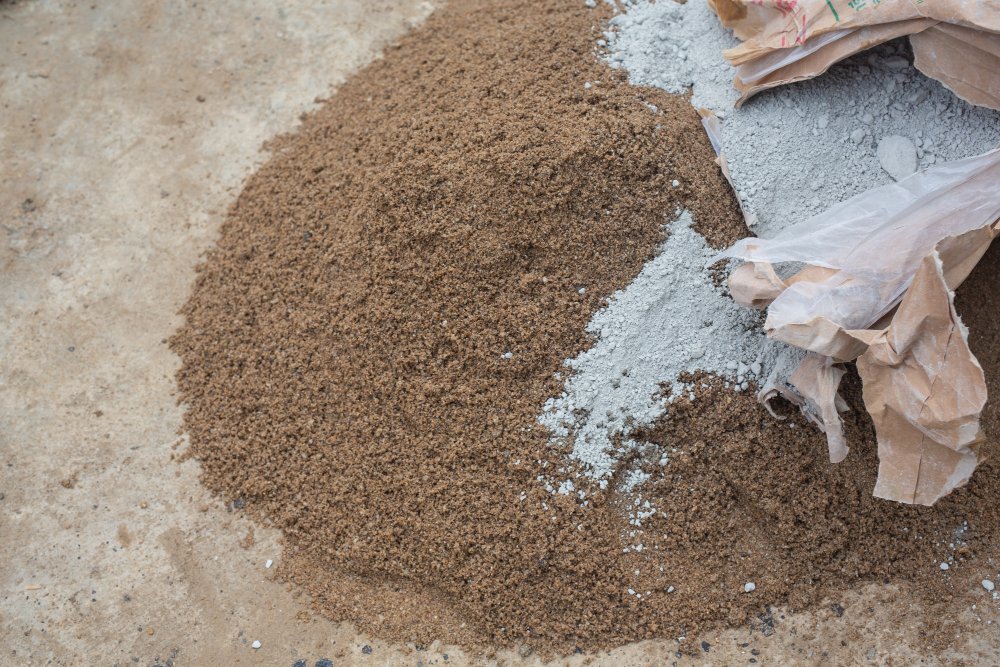
Humans love finding hacks. If your horse has a hoof abscess, suffers from loose stool, or consumes forage potentially containing mold… you’ll quickly look for useful, inexpensive solutions. Conversations with other horse owners inevitably lead back to bentonite clay. Why? It has been used for livestock for years, offers a plausible way it can work, and there’s veterinary and nutritional science mounting up in its favor.
But could bentonite clay really be magical? Let’s review the facts straight-up and scientifically so you can decide if, and how, bentonite clay for horses has a place in your barn.
What Is Bentonite Clay and Why Do Horses Respond to It?
A Bentonite clay deposit is formed from volcanic ash deposits that have weathered over thousands of years. Bentonite’s primary mineral is montmorillonite, which is a layered aluminosilicate, having a 2:1 sheet structure. When hydrated, bentonite swells to many times its dry volume and has a high negative ionic charge.
These properties combined, high surface area, high negative charge, and swelling capabilities, allow bentonite to have two qualities that are beneficial to horses.
- Adsorption: The clay’s negatively charged surface attracts and binds positively charged substances, including mycotoxins, heavy metals, certain pathogens, and organic waste compounds. They stick to the clay’s surface and get carried out of the body rather than being absorbed into the bloodstream.
- Moisture and heat drawing: When applied topically as a paste or poultice, bentonite draws fluid, heat, and surface contaminants out through the skin. This is the same principle behind its use in human face masks, but in horses it gets applied to legs, hooves, and skin injuries with a very different scale and purpose.
They are real physical chemistry properties that we understand. The issue isn’t whether bentonite can perform these functions. Of course it can. The issue is what applications in horses are well documented and where has the marketing gotten far ahead of the science. CMS Industries is a mine-owner and exporter of bentonite located in Kachchh (Kutch), Gujarat India. We produce several grades of bentonite for industrial and agricultural uses. We have an in-house laboratory to quality test everything from the raw mineral through the finished product. This is important when your bentonite is being used in animal feed or topical preparations.
Where Bentonite Clay for Horses Has the Strongest Evidence
Mycotoxin Adsorption in Feed
Livestock nutritionists have the most science-backed applications for bentonite clay.
Mycotoxins are produced by molds found on stored hay, grains, and pasture grasses. Feed is often contaminated with aflatoxins (Aspergillus molds), fumonisins, and ochratoxins, especially in years with higher humidity or with grain that’s improperly stored. Chronic exposure bentonite clay safe for sensitive skin to mycotoxins in horses has been linked to decreased feed consumption, poor performance, colic signs, immune suppression, and infertility.
One published study in Mycotoxin Research (Springer Nature, 2019) verified that “mineral adsorbents such as bentonite, montmorillonite and hydrated sodium calcium aluminosilicate … have ability to bind or adsorb mycotoxins” into their internal layers and on external surfaces. In separate studies, the materials were found to be “partially to totally effective” at negating the effects of mycotoxins in livestock consuming contaminated feeds.
PubMed shows montmorillonite (aka bentonite) as having the 2nd highest mycotoxin adsorption capacity out of common feed additives (at 76%), just behind activated carbon. Animal studies looking specifically at aflatoxin B1 show that adding bentonite to feed can help prevent or negate toxicity from aflatoxin contaminated feed.
In 2021, researchers published findings in Frontiers in Veterinary Science that feeding dairy cows a high-starch diet supplemented with bentonite mineral clay helped to buffer acid and support gut microbiome diversity. Modern high-performance diets for horses are very similar to the high-starch diets referenced in this study. Additional equine-focused research published in the Journal of Equine Veterinary Science discovered that smectite clay (which includes bentonite) can be used to both treat and prevent colitis.
The use of feed-grade bentonite as a mycotoxin binder and digestive aid in livestock is widely used around the world.
Topical Use: Poultices, Hoof Packs, and Skin Conditions
Bentonite clay has been part of equine external care for decades. It shows up in clinically formulated and bentonite clay safe for dogs, FEI-compliant poultice products used by competition horse trainers at the highest levels of the sport.
When mixed with water to form a paste and applied to a horse’s legs, knees, or hocks, bentonite draws heat and fluid from inflamed tissue. This is why it appears in post-exercise leg treatments and as a hoof pack to help bring abscesses to the surface.
For hoof abscesses, a thick bentonite paste applied to the sole and packed in place draws moisture and helps localize the infection. This shortens the time before the abscess bursts and drains, reducing discomfort. For skin conditions including rain rot, mild scratches, and fungal skin irritation, the clay’s adsorptive and moisture-drawing properties help dry out wet, infected tissue and reduce bacterial load on the skin surface.
One key rule applies across all topical uses: do not apply bentonite clay to open wounds. The clay’s drying action and potential to trap material in a wound can slow healing and increase infection risk. Always clean the area first and apply only to closed or surface-level conditions.
Where the Evidence Gets Thinner
Gastric Ulcers
Supplement companies and horse owners alike claim bentonite clay will prevent or relieve gastric ulcers. Logic behind these claims include the theory that it buffers stomach acid, and adheres to the stomach lining. There is a bit of indirect support for gut buffering with the 2021 dairy cow study described above. Bentolite clay is safe at controlled inclusion rates, but generally not recommended for long-term continuous feeding. Mad Barns equine feed database states ” we do not recommend long term continuous feeding of this ingredient.”. There is limited research regarding long term safety and efficacy for ulcer relief in horses, so veterinary oversight is advised. If your horse has suspected gastric ulcers, get a proper diagnosis with gastroscopy before administering any sort of treatment. Bentonite clay isn’t a proven substitute for treatment your vet may prescribe.
Joint Pain and Laminitis
Assertions that feeding bentonite clay cures joint pain or laminitis are almost completely anecdotal. There is no known mechanism by which bentonite clay combats systemic joint inflammation, and laminitis is a multifactorial condition caused by impaired blood flow to lamellae within the hoof. Topically applied bentonite clay as a cooling pack may offer some pain relief during a laminitic episode; however, it does nothing to treat the cause.
Real Risks Worth Knowing
Bentonite clay is not without drawbacks in equine use. Here is what to watch for.
Impaction risk in horses with low water intake. Sodium bentonite swells significantly when wet. If a horse is already prone to dehydration or poor water intake, adding bentonite to the diet thickens gut contents and raises the risk of impaction colic. The Merck Veterinary Manual identifies insufficient water intake as a contributing factor to large intestine obstruction in horses. Always increase water availability when introducing bentonite to a horse’s diet.
Drug and nutrient interference. Bentonite’s binding capacity does not discriminate between mycotoxins and other compounds. Uptake of dewormers, vitamins, and mineral supplements can drop unless doses are given at least two hours apart from bentonite. Long-term feeding may lower blood levels of copper, zinc, and selenium, so periodic dietary review is advisable.
Avoid use alongside high-fat diets or supplemental oils. When bentonite mixes with fats in the digestive tract, it can dry into dense balls that raise the risk of constipation and colic. Do not feed clay to a horse on a high-fat diet or within two weeks of administering supplemental oil.
Grade matters more than most horse owners realize. Industrial-grade bentonite contains impurities including elevated heavy metals that are not appropriate for animal consumption. Only feed-grade, lab-tested bentonite should go into horse feed. The FDA has issued warnings against specific bentonite products for human use due to elevated lead levels. The same sourcing diligence applies for horses. Always buy from suppliers who provide documented heavy metal testing and clearly state the grade of their product.
Practical Guide: How to Use Bentonite Clay for Horses
As a Feed Supplement (Oral Use)
- Use feed-grade or food-grade bentonite only, verified by a certificate of analysis
- Typical inclusion for mycotoxin binding ranges from 0.5% to 1% of total diet dry matter, depending on the product; follow the specific product’s label guidance
- Separate bentonite feeding from dewormer administration and other supplements by at least two hours
- Ensure free access to fresh water at all times
- Do not feed continuously for extended periods without veterinary oversight
- Do not combine with high-fat supplementation
As a Topical Poultice
- Mix cosmetic or food-grade bentonite with clean water to form a smooth, thick paste
- Apply to clean, dry skin or hooves only not to open wounds
- For leg poultices: apply evenly to the lower leg, cover with paper and a stable bandage if needed, and remove after 8 to 12 hours
- For hoof packs: pack into the sole of the hoof and wrap with a waterproof boot or bandage
- Rinse off gently with clean water and inspect the area after removal
- For skin conditions: apply a thin layer, allow to dry partially, and rinse off; repeat daily or as needed
The Honest Verdict
Bentonite clay for horses isn’t magic. But it isn’t snake oil, either. For mycotoxin binding in feed, it has the backing of science and broad use in livestock nutrition worldwide. Topically for legs, hooves and skin it’s been around for decades and is found in clinically formulated horse products. Orally as gut support there are some promising preliminary studies but it hasn’t been confirmed specifically for horses yet. Where it falls down is in grand claims: that it will heal ulcers, fix laminitis, or take the place of a veterinarian when serious health problems arise. It won’t do those things, and can cause you to delay much needed veterinary care if used as a substitute for proper diagnosis. Used appropriately, with the correct grade, in the correct dosage and proper scenarios, bentonite clay is a useful, inexpensive tool that can be a valuable part of a well stocked tack room.
Frequently Asked Questions
1. Can I feed bentonite clay to my horse every day?
Short-term or periodic use as a mycotoxin binder is generally considered safe for healthy horses with adequate water intake. Continuous long-term daily feeding is not currently recommended without veterinary oversight, as it may interfere with nutrient absorption and raise impaction risk in horses that do not drink enough water. Always follow feed-grade product label guidance and consult your equine vet.
2. What is the difference between sodium bentonite and calcium bentonite for horses?
Sodium bentonite swells more dramatically when wet, making it a stronger mycotoxin binder for internal use. Calcium bentonite swells less but is often gentler and easier to apply topically. Both are used in equine care, with sodium bentonite more common in feed supplements and calcium bentonite more common in topical formulations. Either way, feed-grade with documented testing is the non-negotiable requirement.
3. Can bentonite clay treat a horse’s hoof abscess?
It can support the process. A bentonite paste packed into the affected hoof draws heat and fluid toward the surface and may help the abscess come to a head faster. It does not replace farrier care or veterinary assessment for a severe abscess. If a horse has not improved within 48 to 72 hours with a warm compress or poultice, call your farrier or vet.
4. Does bentonite clay interfere with my horse’s dewormer?
Yes, it can. Bentonite’s adsorptive properties can reduce the uptake of anthelmintic medications, vitamins, and mineral supplements if they are given at the same time. Separate bentonite feeding from any dewormer or supplement administration by at least two hours to avoid this interaction.
5. How do I know if a bentonite clay product is safe for my horse?
Look for products clearly labeled as feed-grade or food-grade with a certificate of analysis confirming heavy metal testing. Avoid products with vague sourcing information. Reputable suppliers like CMS Industries maintain documented quality testing at every stage of production, from raw mineral mining through to the final processed product, which gives buyers confidence in what they are actually feeding.