


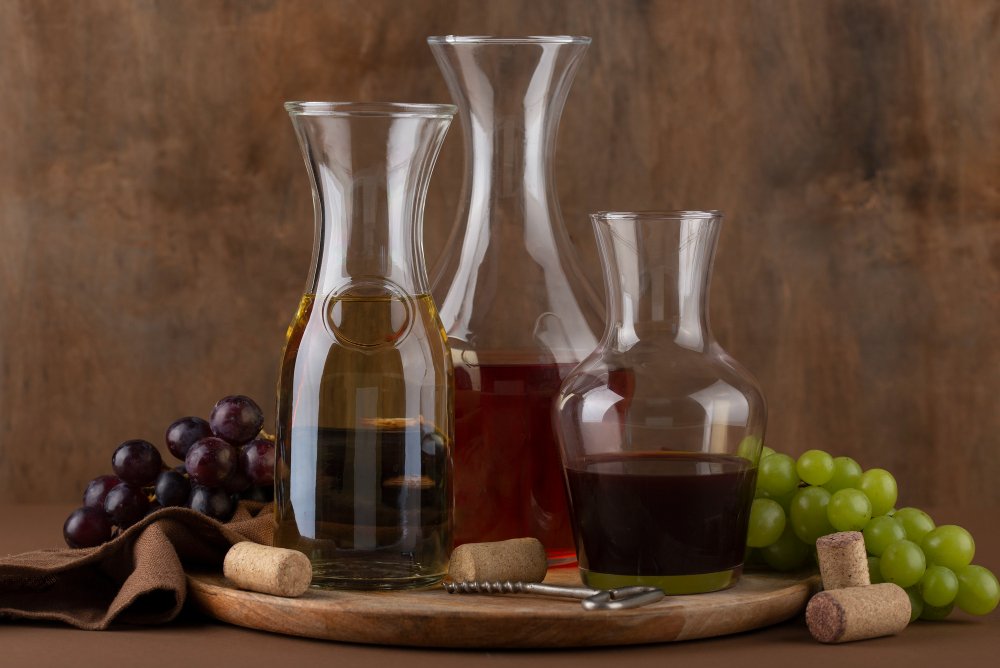
If you’ve ever poured a glass of wine only to find it cloudy or hazy, you know exactly how disappointing that can be. While naturally clear wine is the gold standard, getting there isn’t always straightforward. That’s where bentonite for wine comes into play. This natural clay has been helping winemakers achieve crystal-clear results for decades, but knowing exactly how much to use makes all the difference between success and disappointment.
Understanding Bentonite in Winemaking
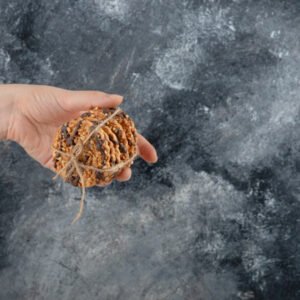
Bentonite is a natural clay mineral formed from weathered volcanic ash over millions of years. In winemaking, sodium-bentonite is most commonly used because of its strong swelling capacity and high surface charge. What makes it especially effective is its unique electrical property: the clay carries a negative charge, which attracts positively charged proteins suspended in wine. These proteins are responsible for cloudiness and haze. When sodium-bentonite binds to them, the combined particles become too heavy to remain suspended and gradually settle at the bottom of the container.
This process, known as adsorption, clarifies the wine without altering its flavour, aroma, or colour when used correctly. You can think of sodium-bentonite as a selective magnet—designed to remove unwanted protein particles while leaving the desirable components of the wine intact.
Types of Bentonite Clay
Two main types are used in winemaking: sodium bentonite and calcium bentonite. Sodium bentonite swells more readily in water and has excellent protein-binding properties, but it leaves small amounts of salt behind. Calcium bentonite doesn’t swell quite as much, but it forms more compact sediment and leaves calcium instead of salt.
Most winemakers prefer calcium bentonite because excessive calcium is less likely to cause stability issues compared to sodium. However, too much calcium can lead to tartrate crystal formation, those small glass-like crystals that sometimes appear in bottles. Quality suppliers like CMS Industries offer food-grade bentonite that meets international winemaking standards, ensuring you’re working with materials specifically processed for wine applications.
How Much Bentonite Should You Use Per Gallon?
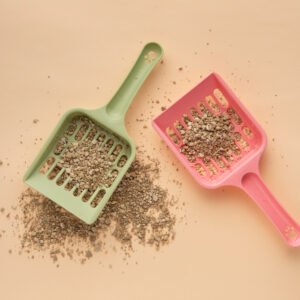
Here’s the straight answer: for post-fermentation clarification, use 1 to 2 grams of bentonite powder per gallon of wine. If you’re measuring by volume, that translates to roughly 1 to 2 teaspoons per gallon.
For mild cloudiness, start at the lower end (about 1 gram or 1 teaspoon per gallon). Wines with heavier haze or protein instability may require up to 2 grams per gallon. In some cases—especially when bentonite is added during active fermentation—you may need as much as 5 grams per gallon, because the bentonite disperses throughout the must and settles more rapidly. This principle of dosage adjustment based on dispersion is similar to industrial guidance outlined in resources like bentonite for pipe jacking, where correct concentration is critical for performance.
Important measurement note: One level teaspoon of bentonite weighs approximately 5.4 grams, meaning a half teaspoon is about 2.7 grams. Always begin with the minimum effective dose. You can add more bentonite if needed, but excess bentonite cannot be removed once added.
Dosage Guidelines by Wine Type
Different wines require different approaches:
- White wines typically need 1 to 2 grams per gallon because they naturally contain more protein and are more prone to protein haze. White wines also benefit most from bentonite treatment since clarity is more visible and expected.
- Red wines generally require less, around 0.5 to 1 gram per gallon. Red wines contain tannins that naturally bind with proteins during ageing, reducing the need for aggressive fining. Additionally, using too much bentonite on red wine can strip colour and desirable compounds.
- Fruit wines and country wines often fall somewhere in between, typically requiring 1 to 1.5 grams per gallon depending on the fruit used and protein content.
Preparing Bentonite: The Proper Hydration Process
Raw bentonite powder won’t work effectively if simply dumped into your wine. It must be properly hydrated first to maximise its surface area and binding capacity.
Step-by-Step Preparation
- Heat your water: Use clean, chlorine-free water heated to approximately 60-90°C (140-190°F). Boiling water works well, but you can use slightly cooler temperatures.
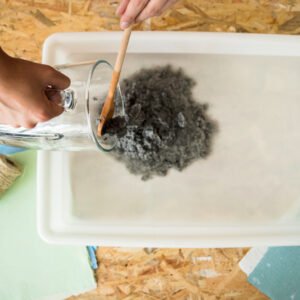
- Mix the slurry: For 2 grams of bentonite, use about 100ml of hot water. The ratio should be roughly 50:1 water to bentonite by weight. Add the bentonite powder to the water whilst stirring vigorously to prevent lumps.
- Blend thoroughly: Use a whisk, blender, or vigorous stirring for at least 2 minutes. You’re aiming for a smooth, creamy consistency without lumps. The mixture should resemble thin cement.
- Rest period: Allow the slurry to hydrate for at least 4 hours. Some winemakers swear by 24 hours, whilst others suggest not exceeding overnight to avoid microbial growth. Based on practical experience, 12-24 hours works well for most applications.
- Re-mix before use: The bentonite will settle during resting, so give it another vigorous stir before adding to your wine.
Common Preparation Mistakes
The biggest mistake is adding bentonite powder directly to wine without hydration. Dry bentonite simply sinks to the bottom and forms a thick sludge that does nothing to clarify your wine. Another error is using wine instead of water for hydration. The acidic environment causes bentonite to coagulate immediately, losing up to 50% of its effectiveness.
Application Methods: Pre-Fermentation vs Post-Fermentation
When you add bentonite matters almost as much as how much you add.
Pre-Fermentation Addition
Adding bentonite at the start of fermentation offers several advantages. During active fermentation, carbon dioxide bubbles naturally circulate through the wine. These bubbles attach to bentonite particles sitting at the bottom, carrying them up through the liquid. When the bubble bursts at the surface, the bentonite falls back down, collecting proteins along the way.
This natural circulation means bentonite stays active throughout the entire fermentation process, continuously clarifying your wine. You’ll typically need 3 to 5 grams per gallon when adding pre-fermentation because some settles permanently before it can do its work.
CMS Industries produces high-purity food-grade bentonite specifically suitable for this application, which is important because standard-grade bentonite may contain metal impurities that can leach into wine during the heat and vigour of fermentation.
Post-Fermentation Addition
Adding bentonite after fermentation is the more traditional approach. You’ll typically need 1 to 2 grams per gallon since the wine is calmer and you can ensure thorough mixing. The process requires more active intervention since there’s no CO2 circulation to help distribute the bentonite.
After adding your prepared slurry, stir thoroughly but gently to avoid introducing oxygen, which can cause oxidation and off-flavours. A degassing tool works perfectly for this. Then simply reattach your airlock and wait 4 to 7 days for the wine to clear.
Keep your wine at cellar temperature during this period. Cooler temperatures actually speed up settling, whilst warmer temperatures can slow the process or cause some bentonite to return to suspension.
Factors Affecting Bentonite Effectiveness
Several variables influence how well bentonite works:
- Wine pH: Even small pH changes can significantly alter protein solubility and bentonite requirements. Higher pH wines generally need more bentonite for protein stability.
- Temperature: Wine should ideally be between 15-20°C during treatment. Too warm slows the process, whilst too cold might preserve delicate flavours but takes longer to clear.
- Protein content: Grapes harvested and processed quickly, especially in warm climates, tend to have higher protein content and require more bentonite.
- Water quality: Hard water, particularly with calcium-rich bentonite, reduces swelling capacity. Use soft or demineralised water for best results.
- Wine age: Younger wines often need more aggressive treatment than wines that have had six months or more to naturally settle.
Sourcing Quality Bentonite in India
India’s growing wine industry requires access to premium-quality fining agents. When selecting a bentonite supplier, it’s important to evaluate several factors beyond price alone.
Manufacturing standards matter significantly. Look for ISO-certified manufacturers that follow international quality protocols and maintain strict process controls. CMS Industries, for instance, holds ISO 9001:2015 certification and follows rigorous testing procedures to ensure batch-to-batch consistency. This same manufacturing discipline is applied across multiple industrial applications, including products comparable to the bentonite in iron ore where performance consistency and purity are equally critical.
Location also plays a practical role. CMS Industries operates manufacturing facilities in Gujarat, strategically positioned near the ports of Mundra and Kandla. This allows for efficient domestic distribution and international exports, while a production capacity exceeding 9,000 metric tonnes per month ensures dependable supply chains.
Finally, food-grade certification is non-negotiable for winemaking applications. Bentonite must meet food safety standards and remain free from impurities that could affect wine quality or consumer safety. Reputable suppliers not only provide certified materials but also offer technical guidance tailored to winemaking requirements, helping producers achieve clarity without compromising flavour or stability.
Potential Issues and How to Avoid Them
Even with perfect technique, problems can occasionally arise. Here’s how to handle them:
- Over-fining: Using too much bentonite strips wine of desirable compounds, resulting in thin, characterless wine. The colour can fade, aromas diminish, and flavours become muted. Always start conservatively and increase gradually if needed. If you’ve over-fined, there’s unfortunately no way to reverse it.
- Incomplete hydration: Poorly hydrated bentonite won’t work effectively. You’ll know this happened if your wine doesn’t clear after 2 weeks. The solution is to prepare fresh bentonite properly and treat again.
- Stubborn haze: If bentonite alone doesn’t clear your wine after two treatments, the haze might not be protein-based. Consider other fining agents like Sparkolloid or consult with experienced winemakers about the specific issue.
- Excessive sediment: Bentonite does create significant lees (sediment). When racking, be careful to leave all sediment behind. The compact layer at the bottom is waste and should be discarded.
Best Practices for Consistent Results
Success with bentonite comes down to following proven practices:
Always conduct bench trials for commercial production. Test increasing amounts of bentonite on small samples to determine the minimum effective dose before treating your entire batch. This saves money and prevents over-fining.
Time your treatment appropriately. If you’re making wine for near-term consumption, bentonite helps achieve quick clarity. For wines meant to age several years, patience often produces naturally clear wine without intervention.
Maintain detailed records. Note how much bentonite you used, the wine temperature, how long it took to clear, and the final results. This information becomes invaluable for future batches.
Consider combining fining agents thoughtfully. Bentonite works well during fermentation, followed by Sparkolloid post-fermentation for extra polish. Just don’t add them simultaneously, as they can interfere with each other.
Environmental and Quality Considerations
Modern winemaking increasingly considers sustainability. Quality bentonite suppliers employ responsible mining practices that minimise environmental impact. CMS Industries, for instance, follows sustainable extraction methods whilst maintaining deposit integrity for future generations.
The bentonite itself is a natural, non-toxic material. After use, the settled bentonite-protein mixture can be composted or disposed of without environmental concerns, unlike some synthetic fining agents.
From a wine quality perspective, bentonite remains one of the gentlest fining agents available. It removes specific problem proteins without dramatically altering wine chemistry when used properly. The key is using the minimum amount necessary, which requires understanding your specific wine’s needs.
Frequently Asked Questions
Q1: Can I use bentonite for both red and white wines?
Yes, bentonite works for both, but application differs. White wines typically need 1-2 grams per gallon as they’re more prone to protein haze. Red wines usually require only 0.5-1 gram per gallon since tannins naturally clarify during ageing. Be cautious with red wines, as bentonite can strip colour and desirable compounds if overused.
Q2: How long does it take for bentonite to clear wine?
Most wines clear within 4-7 days after bentonite addition. Heavily hazed wines might take up to 2 weeks. Temperature affects timing—cooler storage (around 15°C) speeds clearing, whilst warmer conditions slow it. If wine hasn’t cleared after 2 weeks, you may need another treatment with fresh bentonite.
Q3: What’s the difference between adding bentonite before versus after fermentation?
Pre-fermentation addition uses CO2 bubbles to circulate bentonite throughout the must, requiring 3-5 grams per gallon. Post-fermentation addition requires manual mixing and typically needs only 1-2 grams per gallon. Pre-fermentation is more passive but uses more bentonite. Post-fermentation gives more control but requires proper technique to avoid oxidation.
Q4: Can I reuse bentonite slurry that I prepared but didn’t use?
Store unused slurry in a sanitised, airtight container in the refrigerator for up to 48 hours maximum. Beyond that timeframe, bacterial contamination becomes likely. Before using stored slurry, check for off odours and remix thoroughly, as bentonite settles quickly. For best results, prepare only what you need for immediate use.
Q5: Will bentonite affect my wine’s taste or aroma?
When used at proper dosages, bentonite shouldn’t alter taste or aroma noticeably. However, excessive amounts can strip desirable compounds, reducing aromatic intensity and flavour complexity. This is why starting with conservative amounts is crucial. Always use the minimum effective dose determined through testing rather than automatically using maximum recommended amounts.