


If you own a cat, chances are you’ve dealt with the daily task of cleaning the litter box. Bentonite cat litter has become the go-to choice for millions of pet owners because it clumps well and controls odours. But here’s the thing most people don’t think about: what happens after you scoop it out?
Disposing of bentonite cat litter properly isn’t just about keeping your home clean. It’s about protecting your plumbing, following local waste guidelines, and understanding the environmental impact of your choices. Let’s walk through everything you need to know.
What Makes Bentonite Cat Litter Different?
Bentonite cat litter is made from bentonite clay, a natural material formed from weathered volcanic ash. What makes it effective is its ability to absorb liquid and form solid clumps when wet. This strong clumping action occurs primarily with sodium bentonite, which can expand up to 15 times its original volume on contact with moisture.
In contrast, calcium bentonite has lower swelling capacity and is more commonly used in applications such as absorbents, soil conditioning, and industrial uses rather than high-performance clumping litter. Because of this difference, most clumping cat litters rely on sodium bentonite, while calcium-bentonite may be found in non-clumping or specialty absorbent products.
CMS Industries manufactures high-quality bentonite cat litter that is exported to over 40 countries. The company’s product line includes CMS CATBENT, which delivers strong clumping performance, high absorbency, and natural odour control. These features make daily litter maintenance easier for cat owners, but they also mean proper disposal practices should be followed to avoid plumbing or environmental issues.
Why You Cannot Flush Bentonite Cat Litter
Let’s start with the most common mistake people make: flushing bentonite cat litter down the toilet. Don’t do it. Here’s why.
When bentonite clay meets water, it expands dramatically and forms cement-like clumps. Your toilet pipes aren’t designed to handle this. What seems like a convenient solution can quickly turn into a plumbing nightmare that costs hundreds or even thousands of rupees to fix.
There’s another reason to avoid flushing. Cat waste can carry Toxoplasma gondii, a parasite that causes toxoplasmosis. Municipal water treatment plants aren’t equipped to filter out this parasite. When you flush cat litter, you’re potentially sending harmful pathogens into waterways, where they can affect marine life and other animals.
The Right Way to Dispose of Bentonite Cat Litter
Here’s the straightforward method that works for most households:
Daily Scooping
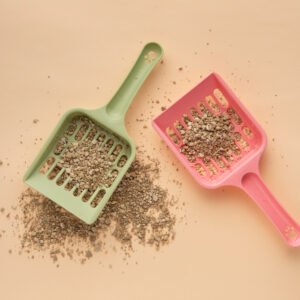
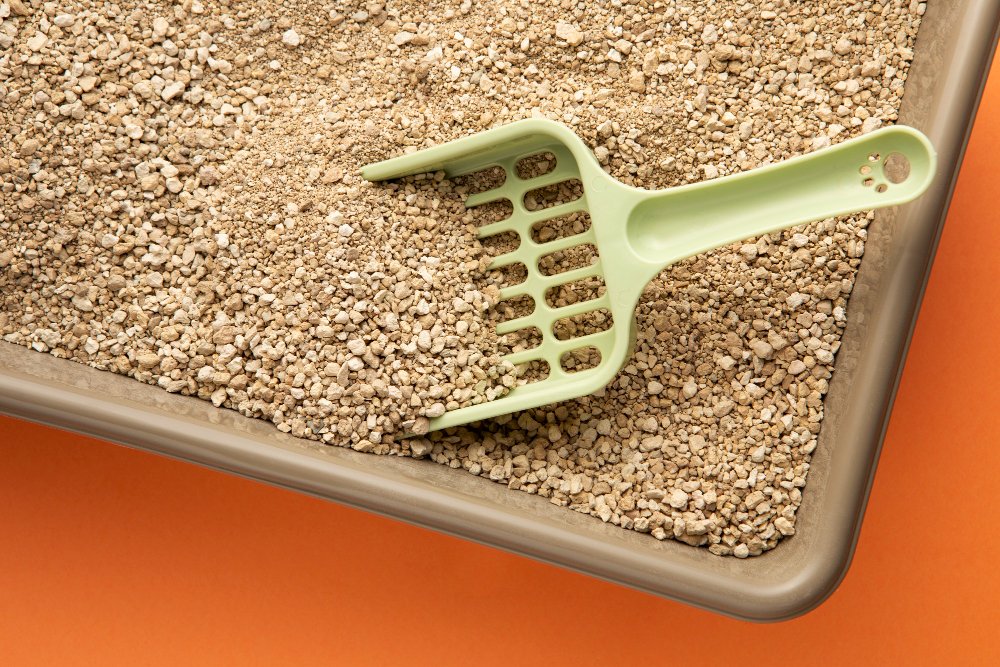
Scoop out clumps of urine and solid waste from your litter box every day. Use a sturdy scoop designed specifically for clumping cat litter. This makes the job easier and more hygienic.
Bag It Properly
Place the scooped waste into a durable, leak-proof plastic bag. Tie the bag securely to prevent odours and leaks. If you’re concerned about smell, double-bagging works well.
Dispose in Regular Trash
Put the sealed bag into your regular household trash bin. This is the safest and most practical disposal method for bentonite cat litter.
Complete Litter Changes
Once a month, or when the litter box needs a full refresh, empty all the litter into trash bags. Clean the box with mild soap and water, then refill it with fresh litter.
Health and Safety Considerations
Always wash your hands thoroughly with soap and water after handling cat litter. This simple step protects you from potential bacterial exposure and reduces health risks. Similar hygiene principles apply when working with bentonite in other environments, including technical applications discussed in earthing bentonite vs chemical earthing, where safe handling and dust control are equally important.
Pregnant women and people with weakened immune systems should be extra cautious around cat litter. The Toxoplasma gondii parasite poses particular risks to these groups. If possible, have someone else handle litter box duties, or wear disposable gloves and a mask when cleaning.
Keep your litter box in a well-ventilated area. Good airflow helps dissipate odours and reduces the concentration of dust particles in the air, making the environment safer and more comfortable for both pets and people.
Environmental Impact of Bentonite Cat Litter
Here’s where things get complicated. Bentonite clay litter isn’t biodegradable. When you throw it away, it sits in landfills for decades or even centuries without breaking down, much like ancient pottery.
The environmental concerns start before the litter even reaches your home. Bentonite clay is extracted through strip mining, a process that removes large sections of topsoil and vegetation. This disrupts habitats, causes soil erosion, and can contaminate nearby water sources with clay particles and other pollutants.
CMS Industries operates mines in areas of Kutch, Gujarat, where bentonite deposits are naturally abundant. The company produces various grades of bentonite for multiple industrial applications, including cat litter. While the mineral itself is natural, the extraction and processing methods have environmental consequences that conscious consumers should consider.
Can You Make Bentonite Litter Disposal More Eco-Friendly?
If you’re using bentonite cat litter and want to reduce your environmental footprint, here are some practical steps:
Use Biodegradable Bags
Switch to biodegradable waste bags instead of regular plastic ones. This small change helps reduce plastic pollution, even though the clay itself won’t decompose.
Don’t Overfill the Litter Box
Most cats need only 5-7 centimetres of litter depth. Using more than necessary wastes product and increases the amount going to landfills.
Buy in Bulk
Purchasing larger quantities reduces packaging waste. CMS Industries offers bentonite cat litter in various sizes, and buying bigger bags means fewer trips to the store and less packaging material.
Control Odours Naturally
Add a thin layer of baking soda to the bottom of the litter box before pouring in fresh litter. This natural deodoriser helps control smells without chemical additives.
Alternative Disposal Methods (What Not to Do)
Some people have tried creative disposal methods, but most come with serious drawbacks:
Composting
Bentonite clay cannot be composted. Even if you have a hot composting system, the clay won’t break down. Plant-based litters like corn or wheat can be composted if your system reaches temperatures above 65°C, but bentonite simply doesn’t decompose.
Cat waste also poses risks in compost. Never use compost containing cat faeces on vegetable gardens or food crops, as harmful pathogens can survive and contaminate your produce.
Burying in the Garden
Some pet owners bury used litter in ornamental garden areas. This isn’t recommended for several reasons. The clay can affect soil drainage and create impermeable layers. More worrying, cat waste pathogens can persist in soil and potentially spread to groundwater.
Outdoor Disposal
Never leave cat waste on streets or in public areas. Rain washes this waste into storm drains, eventually carrying pathogens to rivers and oceans, where they harm aquatic ecosystems.
Choosing the Right Litter Box Setup
The way you set up your litter box affects how much litter you use and how much goes to waste. Small adjustments can make a noticeable difference over time.
Keep at least one litter box per cat, plus one extra. This reduces overuse of any single box and helps maintain better hygiene, which in turn limits excessive clumping and unnecessary litter disposal.
Consider a covered litter box if tracking is an issue. While it doesn’t change disposal methods, it can significantly reduce the amount of litter scattered around your home. This idea of containment and material efficiency is also central to industrial applications—such as those discussed in bentonite used iron ore where controlling material loss improves performance and cost efficiency.
Place a litter mat outside the box to catch granules stuck to your cat’s paws. This simple step keeps more litter where it belongs, reduces cleanup time, and helps you get better value from each bag.
Local Regulations and Guidelines
Waste disposal rules vary by location. Check with your local municipal corporation about specific guidelines for pet waste in your area. Some cities have restrictions on how pet waste should be bagged or which bins it can go into.
In India, pet waste typically goes into regular household waste, but always confirm local requirements. Some areas may have designated organic waste collection that specifically excludes pet waste due to health concerns.
Making Informed Choices
Understanding how to dispose of bentonite cat litter properly helps you make better decisions for your home, your cat, and the environment. The key points to remember are simple: never flush it, always bag it securely, and dispose of it with regular trash.
If environmental impact concerns you, consider researching alternative litter types. Plant-based options made from materials like corn, wheat, or recycled paper offer similar convenience with better biodegradability. But if you prefer bentonite cat litter for its performance, following proper disposal methods minimizes problems.
CMS Industries provides detailed information about their bentonite products on their website. Whether you’re a current customer or considering switching to bentonite cat litter, understanding both the benefits and disposal requirements helps you use the product responsibly.
The relationship between convenience and environmental responsibility isn’t always easy to balance. What matters is making informed choices based on accurate information and following disposal practices that protect both your home and the wider environment.
Frequently Asked Questions
Can I flush small amounts of bentonite cat litter down the toilet?
No, even small amounts of bentonite cat litter can cause plumbing problems. The clay expands significantly when wet, creating clumps that stick to pipe walls and accumulate over time. This leads to blockages that require professional plumbing services to fix. Always dispose of bentonite litter in the trash, regardless of quantity.
How often should I completely replace bentonite cat litter?
Plan to do a full litter box change once a month for single-cat households. If you have multiple cats, you might need to replace it every two to three weeks. Daily scooping extends the usability of the litter, but complete changes are necessary to maintain proper hygiene and odour control.
Is bentonite cat litter harmful if my cat accidentally eats some?
Bentonite clay is generally non-toxic, but ingestion can cause problems. The clay can swell in your cat’s digestive system, potentially causing intestinal blockages if consumed in large amounts. Cats naturally ingest small amounts while grooming their paws, which is usually harmless. If you notice your cat deliberately eating litter or showing signs of digestive distress, consult your veterinarian.
What’s the difference between sodium and calcium bentonite for cat litter?
Sodium bentonite has superior clumping ability because it swells more when wet. This makes it the preferred choice for clumping cat litters. Calcium bentonite absorbs moisture well but doesn’t form as tight clumps. CMS Industries produces both types, but their cat litter products primarily use sodium bentonite for better performance and easier waste removal.
Are there any truly eco-friendly ways to use bentonite cat litter?
Bentonite clay itself isn’t biodegradable, which limits eco-friendly disposal options. Your best approach is minimising usage by maintaining proper litter depth, scooping daily to extend litter life, using biodegradable bags for disposal, and buying in bulk to reduce packaging waste. For genuinely compostable options, you’d need to switch to plant-based litters made from materials like corn, wheat, or wood pellets.