


If you’ve come across the term “bentonite chips” while researching drilling, pond sealing, or civil construction work, you might be wondering what exactly they are and why so many industries rely on them. The answer comes down to one remarkable property: when sodium bentonite chips come into contact with water, they swell dramatically up to 12 to 15 times their original dry volume forming a tight, gel-like seal that is nearly impermeable to liquid.
That single characteristic makes bentonite chips one of the most versatile natural sealing materials available today.
What Are Bentonite Chips?
Bentonite is a naturally occurring clay formed from the weathering of volcanic ash, primarily composed of a mineral called montmorillonite. It exists in two main types: sodium bentonite and calcium bentonite. For sealing and drilling applications, sodium bentonite is the preferred choice because of its far superior swelling capacity. Due to these properties, it is widely processed and supplied by bentonite manufacturers for use in industries such as drilling, construction, foundry work, and environmental sealing.
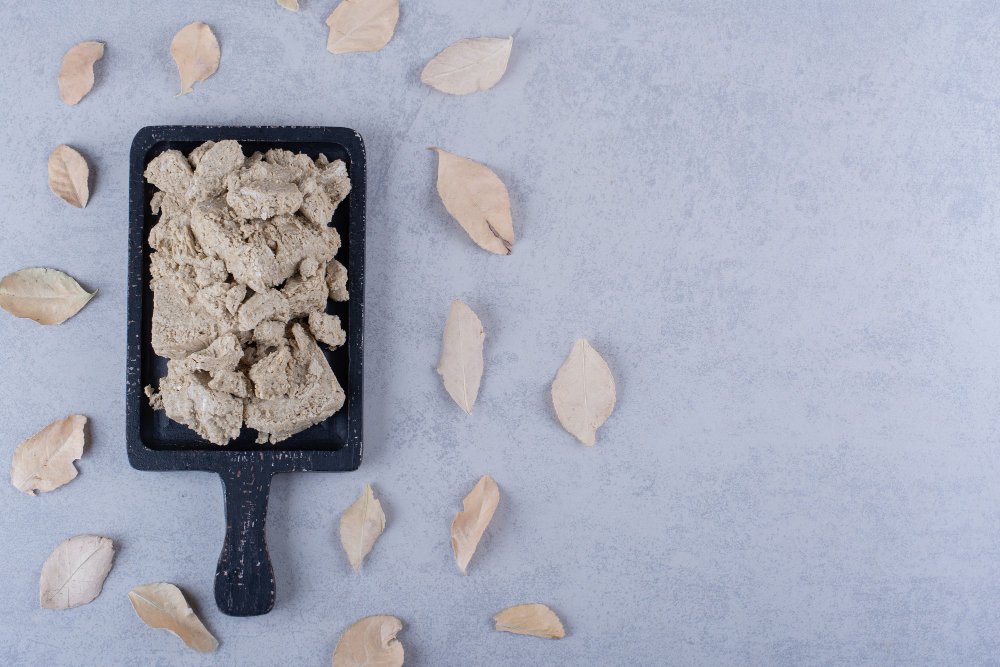
Bentonite chips are a sized and graded form of sodium bentonite, typically cut or processed into angular chunk pieces ranging from about 3/8 inch to 3/4 inch in size. Unlike powdered or granular bentonite, chips are coarser, which means they hydrate more slowly and can pass through water or drilling fluid without clumping prematurely. This controlled swelling behavior is what makes bentonite chips the go-to format for specific applications like borehole sealing and deep pond repair.
The clay itself carries a negative surface charge at the molecular level. When moisture enters between the flat clay platelets, it forces them apart. The result is a viscous, swelling gel that blocks the movement of water through soil or rock. Once hydrated, bentonite does not permanently harden, it remains flexible and self-sealing. If cracks develop nearby, it simply expands to fill them.
Bentonite Chips vs. Other Forms of Bentonite
Let’s break it down. Bentonite is sold in several formats, and each serves a different purpose:
- Powder: Fine-milled, fast-hydrating, best for mixing into slurries and drilling mud
- Granular: Medium-sized particles used for incorporating with soil or applying to pond beds
- Chips: Larger chunks (3/8″ to 3/4″) designed for drop-in sealing of boreholes, wells, and vadose zones
- Pellets/Tablets: Highly compressed, high-purity forms suited for deep environmental monitoring wells
Chips occupy a specific niche. Their large size means they fall slowly through water in a characteristic “seesaw” motion, which prevents premature bridging and allows them to reach the target depth before swelling begins. Powder would clog before reaching the bottom; pellets are more expensive and may hydrate too fast in shallow applications. Chips strike the right balance for most borehole and well abandonment work. In some applications, contractors may also use liquid bentonite, which is a hydrated slurry form of the clay used for sealing, drilling support, and improving soil stability.
Key Uses of Bentonite Chips
1. Sealing and Plugging Boreholes
This is the most widespread use of bentonite chips. When a borehole is drilled for environmental monitoring, water wells, geotechnical investigation, or seismic testing the annular space between the borehole wall and the well casing needs to be sealed. If left open, surface water can migrate down the borehole and contaminate deeper aquifers.
Bentonite chips are used to grout the annulus in all types of wells, particularly environmental monitoring well applications, seal above gravel packs, plug decommissioned boreholes, stem shotholes, seal around conductor pipe, seal lost circulation zones, and shut off artesian flow.
The chips are poured or tremied down into the hole. Once they encounter groundwater or moisture in the vadose zone, they begin to swell and form a tight seal around the casing. Chips fall more slowly in a seesaw motion and do not hydrate as fast as uncoated tablets, making them well-suited for dry zones where gradual hydration is preferred.
2. Decommissioning Abandoned Wells
When a well is taken out of service, it cannot simply be left open. An unsealed well becomes a direct pathway for surface contamination to reach groundwater. Regulators in most countries require formal well abandonment procedures, and bentonite chips are one of the accepted materials.
Sodium bentonite chips are a common form of bentonite used when sealing decommissioned wells. When wells are abandoned, it is important to seal them effectively so that there is no groundwater seepage into subsurface aquifers, which can contaminate the water supply.
The chips are poured in gradually, screened to remove fine particles first, and allowed to hydrate at each interval before the next layer is added. Many state-level environmental agencies, including USDA NRCS guidelines, specify bentonite chips as an approved sealing material for this process.
3. Pond Sealing and Leak Repair
For ponds that lose water through seepage, whether farm ponds, irrigation reservoirs, or decorative water features, bentonite chips offer a way to repair leaks from the surface without draining the pond first.
Bentonite chips are specifically designed for application through water in existing ponds. When scattered across the pond surface, they sink to the bottom and settle into cracks and porous areas. As they absorb moisture, they swell and form a natural impermeable barrier.
Bentonite is environmentally safe and does not affect the water, livestock, or wildlife. When properly applied, it will not harm fish. That makes it a practical choice for working ponds where draining is not feasible or where aquatic life needs to be protected throughout the repair process.
For deeper ponds specifically, chips are often preferable to granular bentonite because their larger mass allows them to sink through the water column more reliably before significant swelling occurs.
4. Earthing and Electrical Grounding Systems
Here’s a use case that doesn’t come up in casual conversation but is common in electrical infrastructure work. Bentonite chips are also used in conjunction with grounding rods, primarily to install electrical equipment underground. Grounding rods are driven into the ground before bentonite chips are applied to plug any holes or voids in the surrounding soil.
The swelled bentonite creates consistent, low-resistance contact between the rod and the surrounding earth, especially useful in dry or rocky soils where poor contact would otherwise compromise the grounding system’s reliability. Companies like CMS Industries supply earthing-grade bentonite specifically formulated for this application.
5. Civil Engineering and Foundation Work
In civil construction, bentonite chips (and related granular forms) play a supporting role in several applications including slurry wall construction, diaphragm wall drilling, and trench stabilization. The chips can be used to create temporary seals during construction or to backfill sections of boreholes not intended for grouting.
Their self-healing, non-hardening nature is particularly useful where ground movement is expected, since a rigid seal like cement could crack and fail over time. Bentonite simply adjusts.
6. Landfill Liner and Containment Systems
Environmental containment is another area where sodium bentonite chips find application. They are used as part of geosynthetic clay liner (GCL) systems, which sandwich a layer of bentonite between geotextile fabrics to create impermeable barriers beneath landfills, waste lagoons, and contaminated sites. When moisture activates the bentonite, the liner self-seals even around minor punctures or imperfections.
How Bentonite Chips Are Applied: A Quick Overview
The application method depends on the specific use case. Here is a general process for borehole sealing:
- Prepare the borehole — Remove debris, measure dimensions, and determine the static water level
- Screen the chips — Pass them through a 1/4″ mesh to remove fines and dust that could cause premature bridging
- Pour slowly — Add chips gradually, allowing approximately two minutes per 50-lb bag, so chips settle before the next load is added
- Hydrate if needed — In dry vadose zones with no groundwater, add approximately 2 gallons of clean fresh water per 50 lbs of chips to initiate swelling
- Allow time to seal — Wait for full hydration before adding any grout or cement cap on top
- Install the top seal — Finish with neat cement, concrete grout, or combined mortar materials to protect the surface
For pond repair, the process is simpler: sprinkle chips evenly across the water surface and allow them to sink and settle over several days. Maximum sealing is typically reached within a week of application.
Why Bentonite Chips Are Preferred Over Synthetic Alternatives
There are synthetic sealing options available—cement grout, polyurethane foam, HDPE membranes—but bentonite chips have qualities that these materials cannot replicate:
Self-healing: If the ground shifts and a crack forms, bentonite expands into it. Cement does not.
Non-toxic: Bentonite is a natural clay approved for use in drinking water well applications. It carries NSF/ANSI Standard 60 certification in its high-purity forms.
Cost-effective: Sodium bentonite is one of the most affordable sealing materials per unit volume, especially in bulk. It is also widely used in other industries, including bentonite sand litter, where its strong swelling and clumping properties help absorb moisture and control odors.
Reversible (to a degree): Unlike cement, bentonite does not permanently set. This matters in applications where future access may be needed.
Environmentally inert: It does not leach chemicals into groundwater and poses no risk to aquatic life or soil biology.
What to Look for When Sourcing Bentonite Chips
Not all bentonite chips are created equal. Here are the factors worth checking before you buy:
- Particle size: Standard grades are 3/8″ or 3/4″. Confirm which size matches your application requirements
- Sodium bentonite content: Higher montmorillonite content means higher swelling potential
- Moisture content: Chips with excessive moisture may begin hydrating prematurely during storage
- Certification: For drinking water applications, look for NSF/ANSI Standard 60 certification
- Consistency: Reputable suppliers maintain strict quality checks to ensure uniform size and composition
CMS Industries, one of India’s largest bentonite producers and exporters, manufactures and supplies bentonite in multiple grades, including products designed for civil engineering, pond sealing, and drilling applications. Their manufacturing facilities in Mandvi Taluka, Gujarat, produce bentonite for clients across the globe with ISO 9001:2015 certified processes.
Frequently Asked Questions About Bentonite Chips
Q1. What is the difference between bentonite chips and bentonite granules?
Bentonite chips are larger angular pieces (typically 3/8″ to 3/4″), while granules are smaller and finer. Chips hydrate more slowly, which makes them better for borehole sealing and deep pond repair. Granules are generally mixed into soil or used for shallow pond applications where faster swelling is acceptable.
Q2. Are bentonite chips safe to use in ponds with fish and livestock?
Yes. Sodium bentonite is a natural, non-toxic clay material. It does not leach harmful chemicals into water and is considered safe for aquatic life, livestock, and wildlife when applied at appropriate rates. It is used in environmental applications worldwide without adverse ecological effects.
Q3. How long do bentonite chips take to fully hydrate and seal a borehole?
The hydration time depends on moisture availability and chip size. In saturated zones with adequate groundwater, chips can begin expanding within hours and reach a functional seal within 24 to 48 hours. In dry vadose zones, adding 2 gallons of clean water per 50 lbs of chips speeds up the process. Full hydration typically completes within a few days.
Q4. Can bentonite chips be used in saltwater or highly mineralized groundwater conditions?
This is a known limitation. High concentrations of salts, chlorides, or calcium ions in groundwater can reduce the swelling capacity of sodium bentonite. If the site has highly saline or mineralized water, polymer-enhanced bentonite products or cement-bentonite grouts are often recommended instead. Always test local water chemistry before selecting a sealing product.
Q5. Where can I buy bentonite chips in India for civil or drilling projects?
Several manufacturers and exporters supply bentonite chips in India. CMS Industries (cmsindustries.in) is one of the country’s largest bentonite producers, supplying grades suited for civil engineering, pond sealing, drilling, and other industrial applications. Their products are exported to markets worldwide and are available in multiple grades to suit different project requirements.