


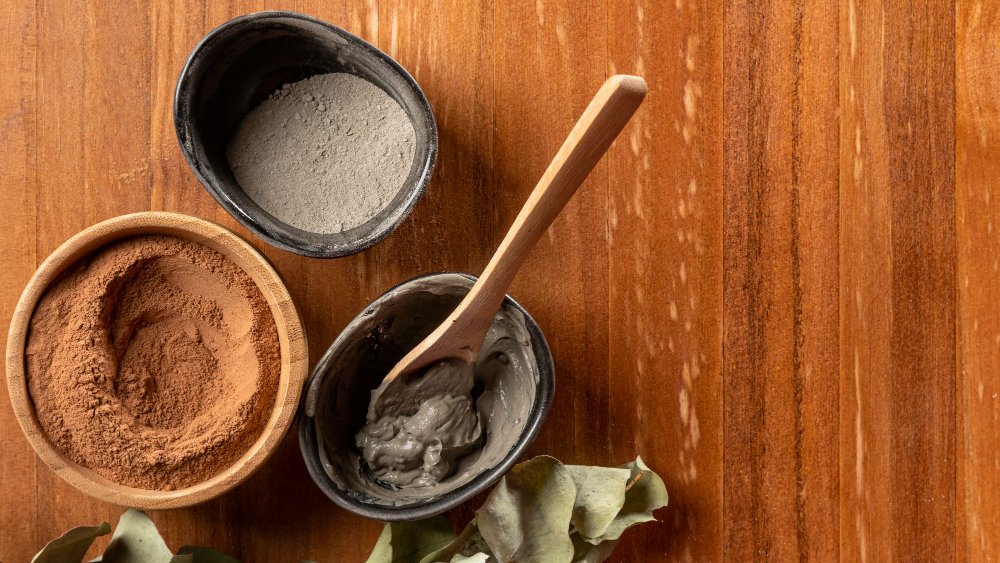
When you pick up a glossy magazine, use fine porcelain dinnerware, or apply cosmetic products, you’re likely interacting with China clay powder without even realising it. This white mineral has been shaping industries for centuries, and its applications continue to expand in today’s manufacturing world.
Let’s explore what makes this natural material so special and why businesses across India rely on it.
Understanding China Clay Powder: The Basics
China clay powder, scientifically known as kaolin, takes its name from the Kao-ling hill in China where it was first mined. The mineral consists primarily of kaolinite, with the chemical formula Al₂Si₂O₅(OH)₄.
This soft, white powder forms through the natural weathering of aluminium silicate minerals like feldspar. Over millions of years, geological processes break down granite and similar rocks under the right conditions of heat, moisture, and chemical activity. The result is a fine, earthy material with remarkable properties.
When you examine China clay powder under an electron microscope, you’ll see hexagonal, plate-like crystals ranging from 0.1 to 10 micrometres in size. These tiny particles stack in layers, giving the material its characteristic smooth texture and workability—qualities valued by manufacturers and enhanced by CMS Industries refined processing techniques.
Key Properties That Make China Clay Powder Special
The mineral’s appeal comes from several distinct characteristics:
- Chemical stability: China clay powder has a neutral pH level of around 4.5, making it chemically inert. It doesn’t react with other substances in most applications, which is why manufacturers trust it in sensitive formulations.
- High whiteness: Natural China clay powder appears bright white, though it may have slight yellow or pink tones due to mineral impurities. After processing and bleaching, it achieves exceptional brightness levels.
- Fine particle size: The powder’s ultrafine texture allows it to disperse evenly in liquids and blend smoothly into solid materials.
- Heat resistance: With a melting point between 1,400°C and 1,785°C, the material maintains structural integrity at high temperatures.
- Low shrinkage: Unlike many clay minerals, China clay powder has minimal shrink-swell capacity, making it predictable during manufacturing processes.
Major Industrial Applications of China Clay Powder
The versatility of China clay powder shows up across dozens of industries. Here’s where you’ll find it working behind the scenes.
Paper Manufacturing: Creating Premium Quality
The paper industry consumes roughly 40% of all China clay powder produced globally. Manufacturers use it in two main ways.
As a filler, the powder mixes with cellulose fibres during paper production. This gives paper better body, opacity, and printability while reducing costs. The fine particles fill spaces between fibres, creating a smoother surface.
For coating applications, manufacturers apply China clay powder mixed with adhesives to paper surfaces. This creates the glossy, bright finish you see on magazines, catalogues, and high-end packaging. The coating ensures ink sits on the surface rather than soaking into fibres, resulting in sharper, more vibrant images.
Companies like CMS Industries understand the importance of consistent particle size distribution for paper applications, as even slight variations can affect final product quality.
Ceramics and Pottery: The Foundation of Fine China
China clay powder earned its common name from its role in producing Chinese porcelain. The material remains the heart of ceramic manufacturing today.
In ceramic bodies, the powder typically mixes with silica, feldspar, and ball clay. When manufacturers form this mixture into shapes and fire it at high temperatures, the China clay powder provides the white colour, structural strength, and heat resistance needed for quality ceramics.
The material’s high fusion temperature makes it perfect for manufacturing:
- Porcelain dinnerware and decorative items
- Sanitaryware like toilets and sinks
- Floor and wall tiles
- Refractory materials for industrial furnaces
Paints and Coatings: Extending Performance
In the paint industry, China clay powder serves as a functional extender and performance enhancer. When added to paint formulations, it improves several properties:
The powder increases opacity, helping paints cover surfaces more effectively. This means manufacturers can reduce expensive titanium dioxide content while maintaining colour strength. The material also enhances paint adhesion to surfaces, making coatings more durable.
China clay powder’s lamellar structure adds toughness to paint films and provides good suspension in water-based formulations. It settles slowly, reducing the separation you sometimes see in stored paint cans.
For specialised applications, calcined China clay powder works even better. The heat treatment process removes chemically bound water, increasing brightness and improving electrical insulation properties.
Rubber Industry: Reinforcement and Cost Reduction
Rubber manufacturers add China clay powder as a functional filler to improve product performance. The powder increases tensile strength while maintaining flexibility, which is crucial for applications like tyres, conveyor belts, and industrial rubber products.
The material reinforces rubber compounds, making them more resistant to wear and tear. At the same time, it partially replaces more expensive fillers like carbon black, helping manufacturers control costs without sacrificing quality.
For electrical applications, China clay powder’s insulating properties make it suitable for cable sheathing and other components where preventing current flow matters.
Plastics Manufacturing: Enhancing Mechanical Properties
The plastics industry uses China clay powder to improve dimensional stability, heat resistance, and rigidity. When compounded into plastic formulations, the powder acts as a reinforcing filler that enhances mechanical strength.
Surface-modified China clay powder performs even better in plastics. Chemical treatments improve how the mineral bonds with polymer matrices, resulting in stronger, more durable products. This is particularly valuable for applications requiring precise specifications, such as automotive components and electrical housings.
Cosmetics and Personal Care: Natural Beauty Solutions
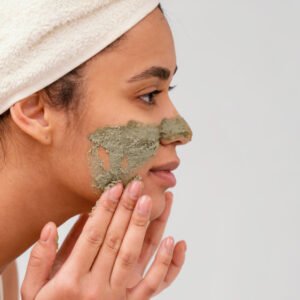
China clay powder has become popular in the cosmetics industry due to its gentle, natural properties. The material absorbs excess oil without over-drying skin, making it suitable for facial masks, powders, and cleansers. In many formulations, it is compared with specialised clays like hdd-bentonite, which also offer strong absorption and skin-purifying benefits.
Its mild exfoliating effect helps remove dead skin cells while remaining gentle enough for sensitive skin. The powder’s natural white colour and fine texture also make it useful as a base in foundations and other colour cosmetics.
Pharmaceutical Applications: Medical Uses
In pharmaceutical formulations, China clay powder serves as a tablet diluent and suspending agent. Its chemical inertness ensures it won’t interfere with active ingredients, while its absorbent properties make it useful in certain medicinal preparations.
The powder has also been used traditionally in anti-diarrhoeal medications, where its ability to absorb toxins and bacteria provides therapeutic benefits.
Types of China Clay Powder Available
Not all China clay powder is identical. Manufacturers process the raw material in different ways to create products suited for specific applications.
Hydrous China Clay Powder
This is the most common form, retaining the mineral’s natural water content. It offers good plasticity and workability, making it ideal for ceramics and applications requiring moulding or shaping.
Calcined China Clay Powder
Heating China clay powder to temperatures between 1,000°C and 1,100°C removes chemically bound water, creating calcined kaolin. This process increases brightness, reduces moisture content, and improves electrical insulation properties.
Calcined varieties work particularly well in paper coatings, high-performance plastics, and matt paints where enhanced opacity matters.
Delaminated China Clay Powder
Special processing separates kaolin particles into thinner platelets, creating a product with increased smoothness and high gloss. This type excels in paper coatings and paints where surface finish matters most.
Surface Modified China Clay Powder
Chemical treatments alter the surface properties of China clay powder particles, improving compatibility with polymers and enhancing dispersion in various matrices. This is particularly valuable for plastics, rubber, and adhesive applications.
Micronized China Clay Powder
Ultra-fine grinding produces particles with extremely precise size distributions. This type provides excellent optical properties and finds use in high-end paints, coatings, and specialised industrial applications.
CMS Industries offers various grades of China clay powder to meet different industry requirements, with each type carefully processed to maintain consistent quality standards.
Why China Clay Powder Matters for Indian Industries
India ranks as the third-largest producer of China clay powder globally, with significant deposits in Rajasthan, Gujarat, Kerala, and West Bengal. This domestic availability benefits Indian manufacturers in several ways.
Access to locally sourced material reduces import dependence and transportation costs. Indian processors have developed expertise in refining and beneficiating China clay powder to meet international quality standards, making exports competitive.
The mineral supports crucial manufacturing sectors including ceramics, paper, paints, and construction. As these industries grow, demand for quality China clay powder continues rising.
For businesses sourcing China clay powder, working with established suppliers ensures consistent quality. Suppliers should provide detailed specifications including particle size distribution, brightness levels, pH values, and chemical composition. Testing certifications help verify that material meets application requirements.
Environmental and Safety Considerations
China clay powder is generally considered safe for industrial use and is classified as non-toxic. The material is chemically stable and doesn’t pose significant environmental risks during normal handling and processing. In industrial mineral discussions—such as comparisons exploring what is bentonite clay powder versus kaolin China clay is often highlighted for its mild nature and lower swell capacity.
That said, workers should use appropriate dust control measures when handling the powder, as respirable particles can irritate respiratory passages. Standard industrial hygiene practices apply, including ventilation systems and protective equipment in processing facilities.
From a sustainability perspective, China clay mining and processing have relatively low environmental impact compared to many industrial minerals. Reputable suppliers like CMS Industries follow responsible mining practices that minimise land disturbance and restore sites after extraction.
Making the Right Choice for Your Application
Selecting the appropriate type of China clay powder depends on your specific application requirements. Consider these factors:
- Particle size: Finer particles work better for coatings and paper, while coarser grades suit ceramics and some rubber applications.
- Brightness: Applications requiring high whiteness need carefully processed or calcined varieties.
- Chemical purity: Pharmaceutical and cosmetic uses demand ultra-pure grades with minimal contaminants.
- Processing method: Decide whether you need hydrous, calcined, or surface-modified material based on performance requirements.
- Technical support: Choose suppliers who understand your industry and can provide application guidance.
Quality suppliers offer technical data sheets, sample testing, and application support to help you select the right product. They should also maintain consistent specifications across batches to ensure your manufacturing processes remain stable.
Conclusion
China clay powder continues proving its worth as one of industry’s most versatile materials. From the pages of the magazine you’re reading to the ceramic cup holding your morning tea, this natural mineral quietly enhances countless products we use daily.
Understanding the properties, types, and applications of China clay powder helps businesses make informed sourcing decisions. Whether you need material for ceramics, paper, paints, rubber, plastics, or cosmetics, selecting the right grade and working with reliable suppliers like CMS Industries ensures your manufacturing processes run smoothly.
As industries evolve and new applications emerge, China clay powder will undoubtedly find fresh uses. Its combination of natural availability, beneficial properties, and processing versatility positions it as a material that will remain relevant for years to come.
For Indian manufacturers, tapping into domestic supply chains while maintaining international quality standards creates competitive advantages. The future looks bright for this ancient mineral that continues serving modern industry’s ever-changing needs.
Frequently Asked Questions
What is the difference between China clay powder and bentonite clay?
China clay powder (kaolin) and bentonite are both clay minerals but differ significantly in composition and properties. Kaolin consists of kaolinite with a simpler chemical structure, while bentonite contains montmorillonite derived from volcanic ash. Kaolin is gentler and less absorbent, making it suitable for sensitive applications like cosmetics and fine ceramics. Bentonite absorbs more water and has stronger detoxifying properties, which makes it better for drilling fluids, cat litter, and heavy-duty industrial uses.
Can China clay powder be used in food-grade applications?
Yes, food-grade China clay powder exists and is used in specific applications. The material must meet strict purity standards with no heavy metal contamination. It’s sometimes used as an anti-caking agent in food processing and has been employed in certain pharmaceutical preparations. However, only China clay powder certified for food contact should be used in such applications, as industrial grades may contain impurities unsuitable for consumption.
How is China clay powder processed from raw ore to finished product?
Processing begins with mining kaolin-rich deposits through open-pit or underground methods. The raw material goes through crushing and mixing with water to create a slurry. This slurry undergoes gravity separation to remove impurities like quartz, mica, and feldspars. Some processors apply chemical bleaching to increase whiteness. The refined clay then passes through filtration and drying stages, typically resulting in a product with around 10% moisture content. Calcined varieties receive additional heat treatment at high temperatures.
What makes China clay powder suitable for the paper industry?
China clay powder works excellently in paper applications due to several key properties. Its fine particle size and plate-like structure provide a smooth coating that improves printability and gives paper a glossy finish. The material’s high brightness enhances paper whiteness, while its chemical inertness prevents reactions with other paper chemicals. As a filler, it increases paper opacity and bulk without significantly increasing weight, helping manufacturers reduce costs while maintaining quality. The powder’s ability to disperse uniformly in water-based systems makes it easy to incorporate into paper-making processes.
How should China clay powder be stored to maintain quality?
Proper storage is crucial for maintaining China clay powder quality. Keep the material in a cool, dry place away from moisture, as the powder can absorb water from the air. Store it in sealed containers or bags to prevent contamination from dust or other particles. Avoid exposure to extreme temperatures, which might affect particle characteristics. Stack bags properly to prevent crushing and ensure good air circulation in storage areas. When stored correctly, China clay powder remains stable for extended periods. Always check the supplier’s recommendations for specific storage requirements based on the grade and processing method used.