


You’ve probably seen bentonite clay mentioned on product labels or in skincare forums, often described as some kind of miracle ingredient. There’s a reason it keeps coming up. Bentonite clay has been used for centuries for its natural cleansing and healing properties, and when it’s formulated into soap, those properties translate directly onto your skin.
This post breaks down 10 science-backed benefits of bentonite clay soap, explains how it works, and helps you figure out whether it’s worth adding to your routine.
What Is Bentonite Clay?
Bentonite is a naturally occurring sedimentary clay that forms from the weathering of volcanic ash. Its primary mineral is montmorillonite, which gives it a distinctive layered structure and an unusually strong ability to absorb water, oils, and other substances. When it comes into contact with liquid, it swells and carries a negative electrical charge. Most toxins, heavy metals, and impurities carry a positive charge, which means bentonite clay attracts and binds to them like a magnet.
There are two main types used in cosmetic applications: sodium bentonite and calcium bentonite. Calcium bentonite is generally preferred for skin use because of its milder pH and higher detoxifying capacity. Companies like CMS Industries, one of India’s largest bentonite manufacturers and exporters, supply cosmetic-grade bentonite specifically processed for personal care applications. Their CMS COSMETICBENT product line is selectively mined calcium bentonite with high oil absorption capacity and minimal free silica, making it well-suited for use in soap and skincare formulations.
10 Key Benefits of Bentonite Clay Soap for Your Skin
1. Deep Pore Cleansing
Bentonite clay soap reaches deeper into pores than most conventional cleansers. The clay’s swelling action when wet creates a drawing effect that pulls out sebum, dead skin cells, and environmental debris that sit below the surface. Regular bar soaps typically clean what’s on top; bentonite clay works at the pore level. This makes it especially effective for people who deal with blackheads or frequently have clogged pores.
2. Controls Excess Oil Without Over-Drying
One of the more practical benefits of bentonite clay soap is how it manages oil. It has a high oil absorption capacity, which means it reduces surface shine and regulates sebum production without stripping the skin of everything it needs. Many strong cleansers leave skin tight and reactive. Bentonite clay soap tends to leave a more balanced feel, making it a workable choice for people with combination or oily skin.
3. Natural Antibacterial Action
Bentonite clay has demonstrated antibacterial activity in multiple peer-reviewed studies. Research published in the International Geology Review found that certain bentonite minerals can kill bacteria on contact, including E. coli and Staphylococcus aureus. When used in soap, this property helps reduce the bacterial load on the skin’s surface, which is one reason why bentonite clay soap works well for acne-prone skin. It addresses the bacteria contributing to breakouts rather than just masking them.
Is Bentonite Clay Safe for Dogs? Bentonite clay can be safe for dogs when used appropriately and in moderation. It is sometimes included in pet products for detox support, digestive health, or topical use for skin irritations like rashes, bites, or minor wounds due to its absorbent and antibacterial properties. However, it should only be given internally under veterinary guidance, as incorrect dosage may cause constipation or mineral imbalances. Always ensure the clay is food-grade, free from contaminants, and avoid use on deep wounds. If your dog shows any unusual symptoms after use, discontinue and consult a veterinarian promptly.
The combination of pore-cleansing action, oil control, and antibacterial properties makes bentonite clay soap a strong candidate for anyone dealing with acne. Clogged pores, excess oil, and bacteria are three of the main contributing factors to breakouts, and bentonite clay addresses all three at once. It does this without harsh chemicals like benzoyl peroxide or salicylic acid, which can cause significant irritation or sensitivity in some people. For mild to moderate acne, a gentle bentonite clay soap used consistently can make a noticeable difference.
5. Gentle Exfoliation
The fine, gritty texture of bentonite clay provides mild mechanical exfoliation when the soap is worked across the skin. This removes the outermost layer of dead skin cells, which can otherwise make skin look dull and contribute to uneven texture. Unlike abrasive scrubs with large particles, bentonite clay is fine enough to exfoliate without causing micro-tears or irritation. The result over time is smoother, more even-looking skin.
6. Draws Out Toxins and Impurities
Bentonite clay’s negatively charged surface attracts positively charged particles, which include many environmental toxins, heavy metals, and chemical residues that accumulate on skin from air pollution, tap water, and cosmetic products. When you use bentonite clay soap, you’re not just cleaning the surface; you’re actively pulling these charged particles away from the skin during the wash. This makes it a good daily cleanser for people who live in urban environments or wear heavy makeup regularly.
7. Soothes Irritated or Inflamed Skin
People have used clay topically for skin irritation for centuries, and there’s good reason for that. Bentonite clay has a mild, naturally low pH, which means it works with the skin’s own slightly acidic environment rather than disrupting it. This helps calm redness and irritation associated with minor skin conditions. The calcium bentonite variant used in cosmetic formulations tends to have particularly good soothing properties, making it suitable for sensitive skin as well.
8. Helps Balance Skin pH
Healthy skin sits at a pH of around 4.5 to 5.5. Many commercial soaps are highly alkaline, with a pH closer to 9 or 10, which disrupts the skin’s acid mantle and can lead to dryness, sensitivity, and bacterial imbalance. Bentonite clay soap, particularly calcium bentonite-based formulations with a naturally low pH, is less likely to cause this disruption. CMS Industries notes that their low-pH cosmetic bentonite is specifically designed to help skin maintain its natural balance.
9. Improves Skin Texture and Tone Over Time
The cumulative effect of using bentonite clay soap regularly shows up in your skin’s overall texture and tone. Regular exfoliation from the clay removes dead cells. The antibacterial action reduces post-acne marks and prevents new ones. The deep cleansing keeps pores tight and clear. Over several weeks, users often notice that their skin looks more even and feels smoother. This isn’t an overnight fix; it’s a slow, consistent improvement that comes from keeping skin genuinely clean.
10. Works for Multiple Skin Types
One of the overlooked benefits of bentonite clay soap is how broadly applicable it is. Oily skin types benefit from its oil-absorbing and pore-clearing properties. Acne-prone skin benefits from the antibacterial action. Sensitive skin can do well with calcium bentonite’s gentle, low-pH formulation. Even dry skin can use bentonite clay soap if the formula includes moisturizing agents like shea butter or aloe to offset the clay’s absorbing effect. It’s rare to find a single ingredient that spans that many skin concerns.
Popular Bentonite Clay Litter Brands: Bentonite clay is also widely used in cat litter due to its excellent clumping and odor-control abilities. Some well-known brands include Dr. Elsey’s, Tidy Cats, Fresh Step, Arm & Hammer, and World’s Best Cat Litter. These brands use sodium bentonite clay to form tight clumps, making cleaning easier and helping to control odors effectively. When choosing a litter, consider factors like dust levels, added fragrances, and your pet’s sensitivity.
How to Use Bentonite Clay Soap Effectively
Here is a straightforward routine that gets the most out of your bentonite clay soap:
- Wet your face or body with lukewarm water. Hot water can strip the skin.
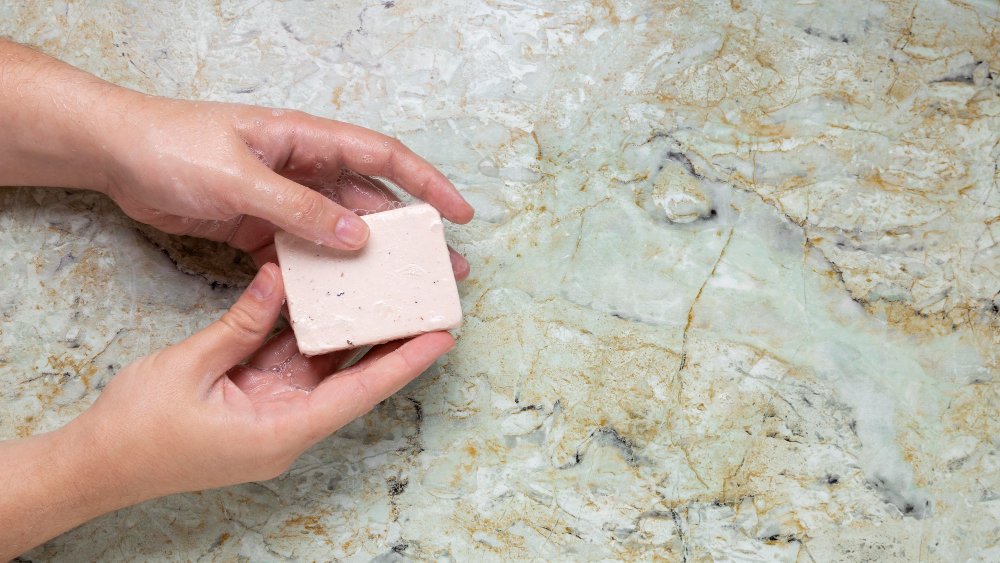
- Lather the soap in your hands or directly on your skin, then work it in gently circular motions for 30 to 60 seconds. This gives the clay time to work.
- Leave the lather on for an additional 30 seconds before rinsing, especially if you’re targeting acne or blackheads.
- Rinse thoroughly with cool water to close pores.
- Follow up with a lightweight, non-comedogenic moisturizer.
- Start with once daily use, then adjust based on how your skin responds. Oily skin may tolerate twice daily; dry or sensitive skin may prefer every other day.
What to Look for in a Quality Bentonite Clay Soap
Not all bentonite clay soaps are equal. The quality of the clay itself matters. Cosmetic-grade bentonite, like the calcium bentonite supplied by CMS Industries under their CMS COSMETICBENT line, is processed to have minimal free silica and a controlled pH. This is what separates a soap that genuinely works from one that simply has ‘clay’ on the label.
Look for soap that lists calcium bentonite as a primary ingredient, confirms the bentonite is cosmetic grade, and pairs the clay with skin-supportive ingredients like plant oils, aloe vera, or vitamin E.
Bentonite Clay Soap vs. Other Clay Soaps
You might also see kaolin clay and rhassoul clay in skincare products. Here’s a quick comparison:
- Kaolin clay: The mildest of the three. Good for sensitive or dry skin. Less effective for deep pore cleansing or oil control.
- Rhassoul clay: Rich in silica and magnesium. Good for cleansing and conditioning, but more expensive and harder to source.
- Bentonite clay: The strongest absorber of the three. Best for oily, acne-prone, or combination skin. Better at drawing out toxins and deep cleaning pores.
Bentonite wins on absorption and antibacterial activity. Kaolin wins on gentleness for very sensitive or dry skin. Your skin type should guide the choice.
Frequently Asked Questions
Is bentonite clay soap safe for daily use?
For most people with normal to oily skin, daily use is fine. If you have dry or sensitive skin, start with every other day and monitor how your skin responds. Always follow with a moisturizer to keep the skin barrier intact.
Can bentonite clay soap help with body acne?
Yes. The same antibacterial and pore-cleansing properties that work on facial acne apply to body acne as well. Using bentonite clay soap on the chest, back, or shoulders during your shower can help reduce breakouts in those areas over time with consistent use.
Does bentonite clay soap expire or lose effectiveness?
Bentonite clay itself is stable and does not expire in the traditional sense. A properly stored soap bar away from direct water and heat should maintain its effectiveness for one to two years. Check the expiration date on any formulated product, as the other ingredients in the soap may degrade before the clay does.
What is the difference between sodium bentonite and calcium bentonite soap?
Sodium bentonite has stronger swelling properties and a higher pH, making it better for industrial uses. Calcium bentonite has a lower, more skin-friendly pH and better detoxifying properties for topical use. Most quality bentonite clay soaps use calcium bentonite for this reason.
Can bentonite clay soap be used on sensitive skin?
Calcium bentonite-based soaps with a low pH formulation are generally well-tolerated by sensitive skin. Start with a short contact time and rinse quickly. Avoid soaps where bentonite is combined with other active ingredients like essential oils or exfoliating acids if your skin is reactive.