


Diarrhea is an unpleasant, exhausting, and sometimes sudden condition. Whether you ate something bad, contracted a stomach virus, or are recovering from antibiotics that have wrecked havoc on your digestive tract, you want relief as soon as possible. Enter bentonite clay, which has been used as a digestive solution for thousands of years. Modern research is beginning to validate these ancient claims. But how effective is it really? And is it safe to ingest?
What Is Bentonite Clay?
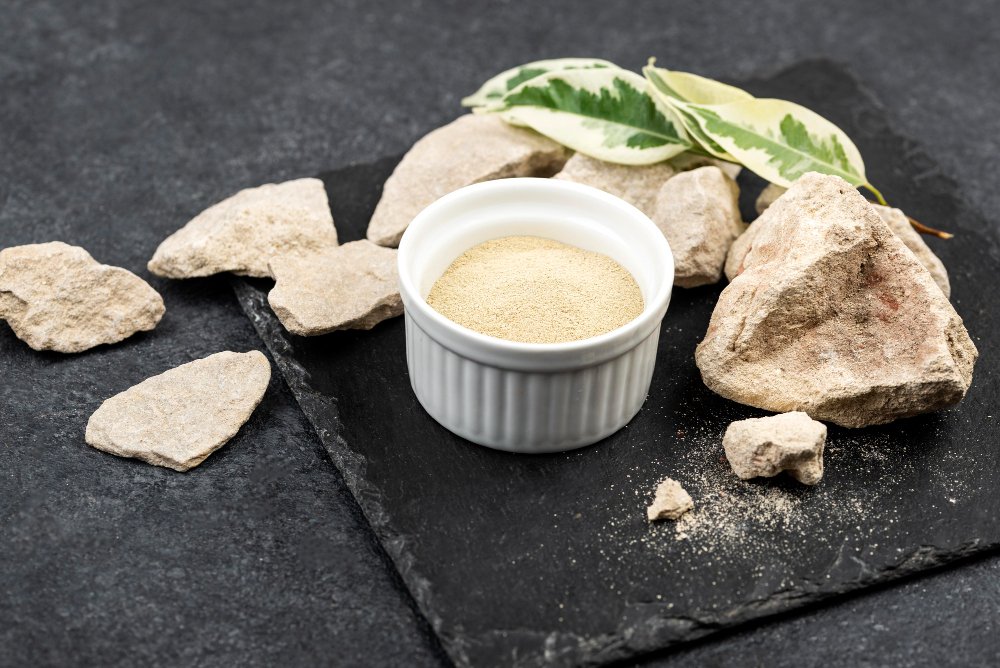
Bentonite clay looks like a light-colored powder and is actually derived from volcanic ash. Its named origin is Fort Benton, Wyoming where abundant deposits were found. Bentonite clay is composed primarily of a mineral named montmorillonite which gives it properties unlike regular dirt.
Upon hydration bentonite expands and creates a gelatinous mass. This expanding allows it to help bind and absorb throughout industry as well as the gastrointestinal tract. Industrial companies consume bentonite from companies such as CMS Industries because it’s one of the largest manufacturers and exporters of bentonite in India. They use it throughout many fields such as civil, agriculture, and animal feed due to its absorbent properties. When ingested there are two kinds that are typically used, sodium bentonite and calcium bentonite. Calcium bentonite is the most commonly talked about when used internally.
How Does Bentonite Clay Work in the Gut?
Okay, here’s why people rave about this clay for digestion: it cleanses your system via a method called adsorption, not absorption.
Absorption occurs when one substance does bentonite clay help seborrheic dermatitis absorbs liquids into itself like a sponge. Adsorption occurs when foreign matter attaches itself to the surface of another substance like a magnet. Bentonite clay has a huge negative electrical charge when wet. Toxins, bad bacteria, and heavy metals all often have a positive charge. Opposites attract, so the clay attracts these bad particles to its surface as it passes through your digestive system.
Diarrhea is affected by this in two ways:
- Water absorption: Bentonite clay can absorb water and swell up to several times its original size. This swelling creates a gel-like matrix that helps bulk up stool and improve bowel movements in cases of diarrhea.
- Pathogen binding: Bentonite clay adsorbs toxins, bacteria, viruses, heavy metals, and other impurities, clinging to these substances and carrying them out of the gut through normal excretion. The clay itself passes through without being absorbed into the body.
What Does the Research Say About Bentonite Clay for Diarrhea?
Studies date further back than you may think.
Research as early as 1961 showed orally administered bentonite resolved diarrhea caused by various conditions 97% of the time. These conditions included viral infection and sodium bentonite safe for cats, food allergy, spastic colitis, mucous colitis, and food poisoning.
97%! Since then studies have continued to emerge.
One randomized control trial published in Gastroenterologie Clinique et Biologique showed that bentonite shortened the duration of acute diarrhea in children while also decreasing their episodes, compared to a placebo.
Due to their adsorbent nature, clays like bentonite may aid in viral digestive conditions like diarrhea. One study showed another adsorbent clay known as diosmectite halted the replication of rotavirus, a virus that can cause severe diarrhea in children.
There have also been studies done on antibiotic associated diarrhea. As you may know, when you take antibiotics they kill both harmful bacteria in your gut and good bacteria. Research published in ScienceDirect in 2024 suggests that bentonite clay may help protect your intestinal microbiota from antibiotics and decrease both the frequency and severity of pseudomembranous colitis, a severe type of antibiotic-associated diarrhea.
Researchers published a review of over 100 scientific articles about bentonite’s effects on the body in the Iranian Journal of Public Health in 2017. They concluded that “Bentonite has a wide range of effects on different organs of the body and considering the historical use of traditional remedies in maintaining body health, more studies are needed.”
Can Bentonite Clay Help with IBS-Related Diarrhea?
IBS often presents as alternating episodes of diarrhea and constipation. And this is where bentonite clay demonstrates one of its unique properties – it seems to help with both conditions. Several studies found that taking 3 grams of bentonite per day for 8 weeks successfully regulated bowel movement for people with constipation dominant IBS. When it comes to diarrhea dominant IBS, bentonite’s toxin-binding and water-absorbing abilities reverse the process, solidifying stools. Bentonite adsorbs pathogens and toxins in the digestive tract and may promote good bacteria. These are exciting results, however more human trials are needed before we can recommend bentonite clay as a treatment for IBS.
How to Use Bentonite Clay for Diarrhea
Start with food-grade bentonite clay only. Industrial-grade clay is processed differently and is not meant for internal use.
Here is a general approach based on available research:
- Choose the right form. Food-grade bentonite clay powder or capsules are both available. Capsules are more convenient; powder can be mixed into water.
- Mix with water. If using powder, stir about half a teaspoon to 1 teaspoon into 8 ounces of water and drink it quickly before the clay settles.
- Take it on an empty stomach. This improves contact between the clay and gut contents.
- Stay hydrated. Drink plenty of water throughout the day. Because bentonite absorbs water, it can cause constipation if you do not compensate with fluids.
- Keep doses moderate. Bentonite clay at 1.5 to 3 grams per day is relatively safe and caused mild digestive symptoms in less than 10% of people in short-term studies lasting two weeks.
- Do not take it with medications or supplements. The clay’s binding properties could reduce how well your body absorbs other substances.
Is Bentonite Clay Safe to Swallow?
For most adults, yes, in moderate amounts and over short periods. But there are real concerns worth knowing.
Heavy metals in the clay itself: Some bentonite clay products have been found to contain lead, arsenic, mercury, or other heavy metals. In 2016, the FDA warned against using certain bentonite clay products because of elevated lead levels. This makes the source and quality of your clay matter enormously.
Nutrient absorption interference: Too much bentonite clay could disrupt normal digestion and interfere with the absorption of nutrients. Because of the way it expands in the body, it should not be taken in large quantities.
Risk for children: In a 3-year-old girl treated with oral and rectal bentonite as a home remedy, severe low potassium levels occurred, possibly because the clay bound to electrolytes in the gut. Like any substance, large doses of bentonite can cause side effects, and using a proper therapeutic dose matters.
Who should not use it: Pregnant or breastfeeding women, young children, the elderly, and people with existing kidney or gut conditions should speak with a doctor before trying bentonite clay. It is not a replacement for medical treatment, especially if diarrhea is severe, bloody, or has lasted more than two days.
What Type of Bentonite Is Best for Gut Use?
There are two types of bentonite clay sodium bentonite and calcium bentonite. Sodium bentonite swells much more than calcium bentonite and is primarily used for agricultural and industrial purposes. Calcium bentonite swelling is softer and is the type most commonly used for health supplements internally.
Calcium bentonite has been researched more for internal use. When selecting a product to support your gut health, look for food grade calcium bentonite sourced from a company that conducts third party testing for heavy metals. At CMS Industries we have been mining, processing and exporting premium quality bentonite clay from Kutch, Gujarat for the past 20 years. While we service the industries listed above with our products, it’s important to know what kind of mineral composition & processing standards go into high-quality bentonite so you can be sure to choose the right product for your needs.
Bentonite Clay vs. Other Diarrhea Remedies
How does bentonite clay stack up against other options?
| Remedy | Mechanism | Evidence Level |
| Bentonite clay | Adsorbs toxins, absorbs water, binds pathogens | Moderate (animal + small human studies) |
| Activated charcoal | Adsorbs toxins in the gut | Moderate, mostly for poisoning cases |
| Psyllium husk | Bulking fiber, absorbs water | Good for both constipation and diarrhea |
| ORS (oral rehydration salts) | Replaces lost electrolytes | Strong clinical evidence |
| Probiotics | Restores gut bacteria balance | Good evidence for antibiotic-associated diarrhea |
ORS is still the gold-standard for managing fluid loss in acute diarrhea, especially in children. Bentonite clay works differently and may complement rehydration rather than replace it, but the two are not in competition.
When to See a Doctor
Bentonite clay may calm a mild stomach upset or traveler’s diarrhea. But certain signs call for medical attention:
- Diarrhea lasting more than 48 hours
- Blood or mucus in stool
- High fever alongside diarrhea
- Signs of dehydration: extreme thirst, dark urine, dizziness, dry mouth
- Diarrhea in an infant or young child
Do not use bentonite clay as a substitute for medical evaluation in these cases.
FAQs
- How quickly does bentonite clay work for diarrhea?
Most people who use bentonite clay for mild diarrhea report firmer stools within a few hours of the first dose. The clay works by absorbing water and binding gut irritants quickly, but results vary based on the cause of diarrhea, the dose, and the product used. Severe or infection-based diarrhea may take longer to respond and may need medical treatment.
- Can you take bentonite clay every day?
Short-term daily use at low doses (around 1.5 to 3 grams per day) appears safe for most healthy adults based on available studies. Taking it daily for extended periods is less studied, and high ongoing doses risk interfering with nutrient absorption and electrolyte balance. It is best used as a short-term remedy, not a permanent supplement.
- Is food-grade bentonite clay different from cosmetic bentonite clay?
Yes. Food-grade bentonite is tested for internal use and should meet purity standards for heavy metals like lead and arsenic. Cosmetic clay is tested for skin application and may not meet the stricter standards needed for ingestion. Always check the label and buy from reputable suppliers with third-party testing when taking it orally.
- Can children take bentonite clay for diarrhea?
Use caution. Some research shows that half the adult dose did not cause adverse effects in children in short-term studies, but there are documented cases of low potassium from excessive doses in young children. A pediatrician should be consulted before giving bentonite clay to any child, especially infants or toddlers.
- Does bentonite clay kill gut bacteria, both good and bad?
The research here is mixed. Some studies suggest bentonite clay may selectively adsorb pathogens while leaving beneficial bacteria relatively unaffected. A 2024 study found it may even have prebiotic-like properties that support healthy gut flora. Taking probiotics after a bentonite clay protocol is a common and sensible precaution.