


If you’ve done any research into natural remedies for itchy, irritated skin, you’ve likely come across bentonite clay. It shows up in face masks, soothing creams, and DIY remedies for everything from diaper rash to eczema flare-ups. But is this really backed up by science, or is it largely internet lore?
Let’s break this down.
What Is Bentonite Clay?
Bentonite clay is a natural mineral that comes from weathered volcanic ash. It is largely composed of montmorillonite, a layered aluminum silicate mineral that imparts the clay’s characteristic absorbent and swelling properties. Depending on the mineral content, bentonite can be sodium-rich, calcium-rich, or a mixture of both.
Particles of the clay surface are slightly negatively charged electrically. This is the foundation for the cation exchange capacity of bentonite, which is the ability to attract and bind positively charged substances, such as oils, certain toxins, and metal ions. This one property is the foundation of almost all the claims made about bentonite clay and skin.
So, Is Bentonite Clay Good for Rashes?
Here’s the honest answer: Some research suggests that bentonite clay may help with certain types of rashes and skin irritation, but the evidence is limited, and bentonite clay is not a replacement for medical treatment.
Here are a few things you might want to know:
- In a study for diaper dermatitis, bentonite clay was found to be more effective and quicker than calendula cream in improving the condition in infants.
- Most participants in a study of people with chronic hand dermatitis who had not been able to control their condition showed improvement when they used a moisturizing cream containing a bentonite derivative (Quaternium-18-Bentonite).
- According to WebMD, studies suggest that bentonite clay might be helpful for allergic reactions to poison ivy and poison oak, hand dermatitis, diaper rash, minor skin infections, or ulcers.
That said, none of this means that bentonite clay a binder can cure a rash. Rashes have many different causes, including contact irritants and allergies, fungal infections, eczema, psoriasis, and underlying medical conditions. How the rash is treated depends entirely on what is causing the rash.
This is exactly why a dermatologist or doctor should be your first stop for any rash that is persistent, painful, spreading, or unexplained. If you don’t know what caused the rash, treating it with clay (or anything else) can sometimes make matters worse, especially if the rash is infected or the result of a medical condition that needs proper medical treatment.
How Bentonite Clay May Help With Skin Irritation
When people talk about bentonite cat litter clay helping with rashes, they are usually thinking of a few specific mechanisms:
1. Oil and Impurity Adsorption
Bentonite clay is negatively charged, so it attracts and binds to the oils, sweat residue, and surface debris on the skin. For rashes due to clogged pores or too much oil, like some acne irritation, this absorbent quality can help keep the area cleaner.
2. Cooling & Drying Effect:
The bentonite clay paste is applied to your skin and forms a thin film that cools the skin. This drying effect can be beneficial for weeping or oozing rashes, such as some types of eczema, to help control excess moisture on the skin’s surface.
3. Potential antibacterial effects
Research has indicated that some types of bentonite clay have mild antibacterial properties that may assist in the healing of skin that has been irritated or mildly infected. There are still a lot of questions to be answered in this area before any firm conclusions can be drawn.
4. Barrier Support
The skin could be coated in a thin layer of clay that acts as a temporary physical barrier, reducing friction and limiting exposure to other irritants such as fragrance residues or airborne particles. This can be a small but useful adjunct to sensitive or reactive skin, but not a treatment for the underlying condition.
What Bentonite Clay Cannot Do
Equally, it is important to be clear about the limitations here:
- Bentonite clay cannot treat eczema, psoriasis, or any long-term skin condition. These should be properly diagnosed and generally need prescription treatment.
- This is not a substitute for anti-fungal or antibiotic medication if the rash is due to infection.
- There is no solid scientific consensus on claims about the benefits of bentonite clay for hair, teeth, or digestive use.
- Doctors do not recommend eating clay, and bentonite is no exception. It may cause the intestines to become obstructed and prevent the absorption of nutrients and electrolytes.
If you have a rash and symptoms such as fever, spreading redness, pus, pain, or swelling, don’t use home remedies—see a doctor right away.
How People Use Bentonite Clay for Skin (General Information Only)
Bentonite clay is used in a few simple ways for general skin care purposes, not as a treatment for diagnosed skin conditions:
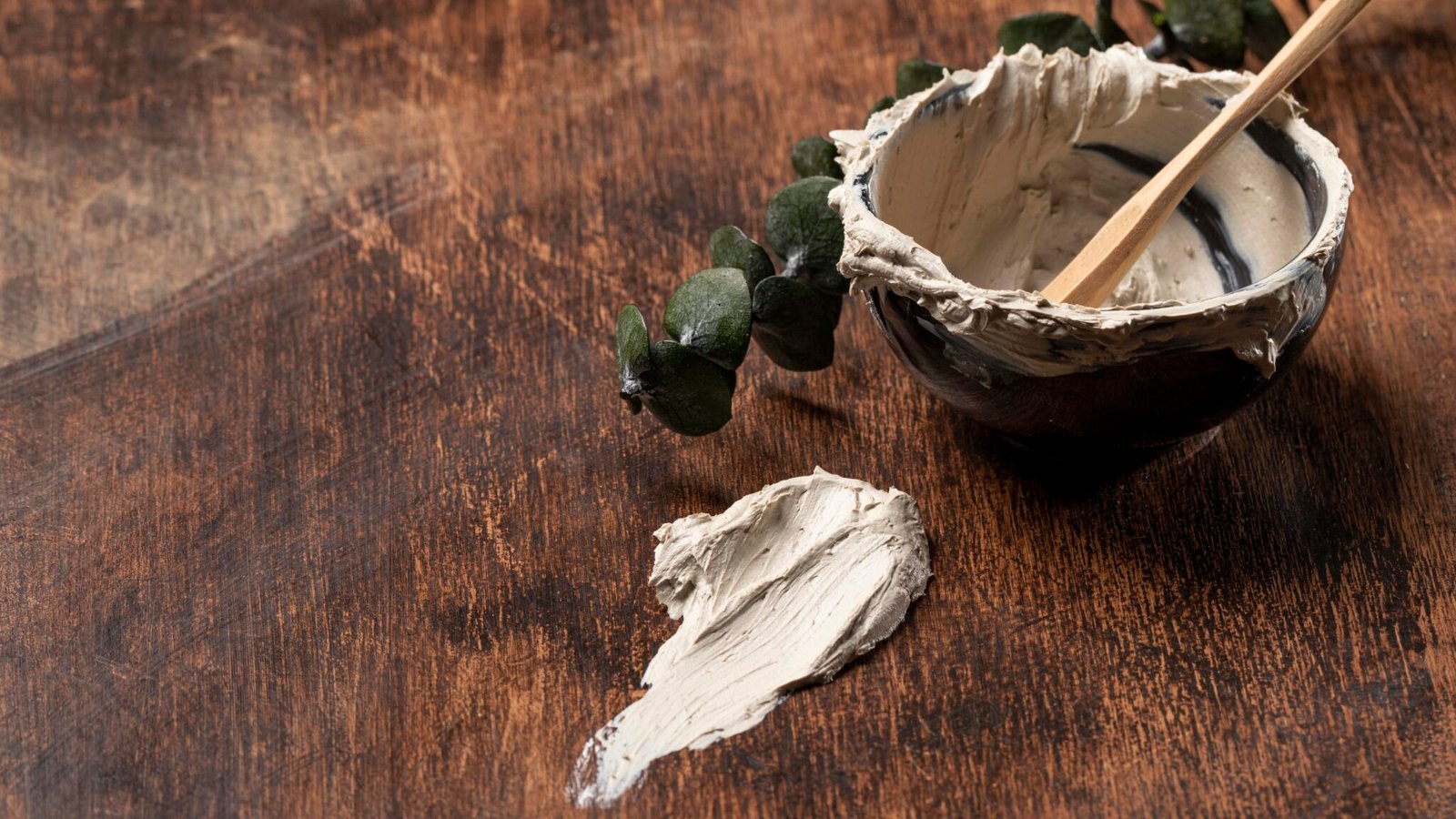
- Mixed with water, applied as a face or body mask, left on for 10 to 15 minutes, and then washed away.
- Incorporated into a cream or lotion base for softer, leave-on application.
- Every couple of days, not daily, as it can dry out the skin with overuse.
- Test patch on a small area of skin before wider use to check for any reaction.
If you have sensitive, broken, or actively inflamed skin, it’s best to check in with a dermatologist before trying any clay-based product, since what works for general oily or congested skin might not be suitable for a rash or irritated area.
Bentonite Clay in Cosmetic and Skincare Manufacturing
Besides home use, bentonite clay is also a recognized raw material in cosmetic manufacturing. According to studies published in Cosmetics (MDPI, 2024), bentonite is one of the most widely used clay minerals in cosmetic and dermocosmetic formulas, as it is known to absorb excess oils and impurities from the skin.
For manufacturers sourcing bentonite for use in cosmetic-grade products, quality parameters are key—for example, low in iron for consistent color, low in crystalline silica for purity, and consistent particle size to achieve a smooth texture in the final product. Bentonite for these applications is mined and processed mainly in the Kutch region of Gujarat in India. Throughout this industry, companies like CMS Industries sell cosmetic-grade bentonite as a raw material to formulators and manufacturers, but the actual skincare products are manufactured and sold by the brands that buy the raw clay.
A Final Word
Bentonite clay has a long history in skincare, and some early research does point to potential benefits for specific types of skin irritation. But “natural” does not always mean “safe for every situation,” and a rash can have many underlying causes that clay alone cannot address.
If you are dealing with a persistent or worsening rash, the most reliable next step is a visit to a dermatologist or your doctor. They can identify the actual cause and recommend a treatment that is appropriate for your skin.
Frequently Asked Questions
- Can bentonite clay help with eczema?
Some studies indicate that bentonite-based creams may help reduce symptoms of chronic dermatitis, including itchiness and redness. However, eczema is a chronic condition that has no cure, and bentonite clay should only be used as a supporting measure along with a treatment plan from a dermatologist and not a substitute for prescribed medication.
- Is bentonite clay safe for diaper rash?
One study showed that calendula cream was less effective than bentonite clay for treating diaper dermatitis in infants. However, it is always recommended that parents consult a pediatrician before using any new product on a baby’s skin, especially if the rash is severe or persistent or if it shows any signs of infection, like pus or an unusual smell.
- How long should I leave bentonite clay on a rash?
For general skincare, leave a clay mask on for 10-15 minutes and rinse. If it’s a true rash or irritated skin, it’s best not to experiment without medical advice, as the wrong application could dry out already-compromised skin and exacerbate irritation.
- Can bentonite clay make a rash worse?
Yes, it is possible. Bentonite clay can be drying, and if used on broken, infected, or very sensitive skin, it can cause more irritation. Always patch test on healthy skin first, and don’t apply clay to open wounds, weeping rashes, or areas with active infection without a doctor’s guidance.
- Is bentonite clay a proven treatment for skin conditions?
No, there’s been some research showing good results for some things like hand dermatitis and diaper rash, but bentonite clay is not an approved or proven medical treatment for skin problems like eczema or psoriasis. It might have mild supportive benefits for general skin care, but always consult a doctor or dermatologist for diagnosis and treatment of any rash.