


Ask anyone who runs a water treatment plant or a winery what their biggest headache of the day is, and cloudy, particle-laden liquid is usually pretty high on the list. There, that’s where bentonite earns its keep. When this clay comes into contact with water, it acquires a strong negative charge and begins to attract the positively charged particles suspended in it, clumping them into larger masses called flocs. Once formed, these flocs settle or filter out easily, leaving clearer liquid.
This is known as flocculation, and it is responsible for a surprising number of industrial operations. Let’s break it down and see where bentonite flocculation really takes place on the factory floor and beyond.
What Is Bentonite Flocculation?
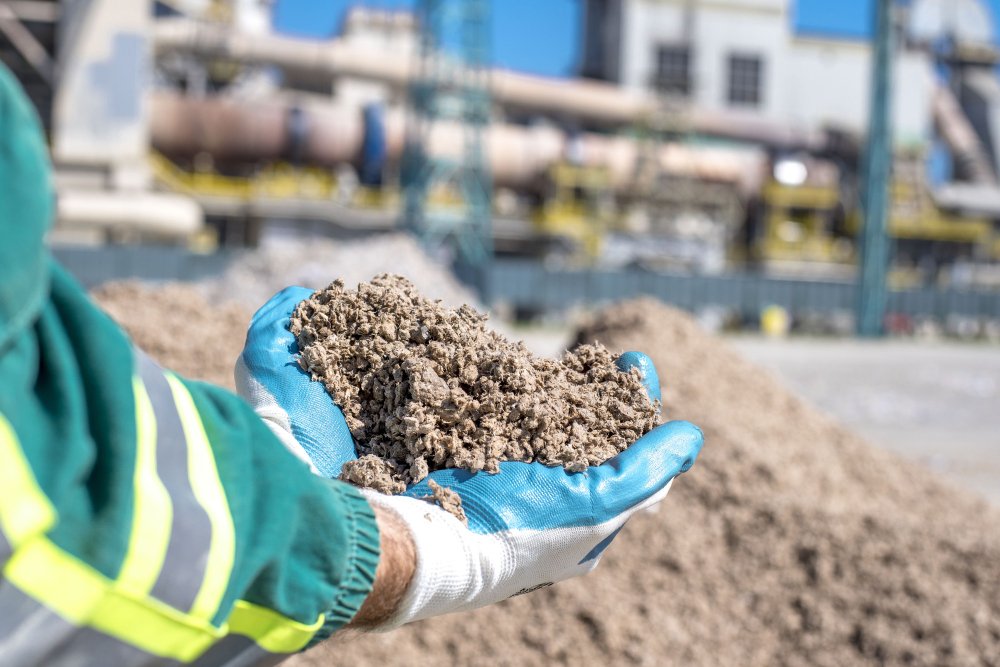
Bentonite manufactures is a member of the smectite clay mineral family and is formed from weathered volcanic ash. It is structured so that each particle has a large surface area and a negative surface charge. When mixed with liquids containing suspended solids, oils, or dissolved metals, these particles are usually charged positively and are attracted to the clay. The particles clump together into larger clods, which either fall to the bottom or get stuck in a filter.
For these very applications, CMS Industries, a Gujarat-based bentonite manufacturer, has a dedicated water treatment grade, CMS TREATBENT®, specially formulated for fast adsorption and strong coagulant action.
10 Key Uses of Bentonite Flocculation in Industry
1. Municipal Drinking Water Clarification
Water treatment plants add bentonite powder to raw water to combine suspended solids, dirt, and organic particles. The flocs formed settle out or are removed during filtration, improving the clarity and safety of drinking water before it reaches the tap in homes.
2. Industrial Wastewater Treatment
Bentonite-based flocculants are used in factories that deal with oily waste, surfactants, or dissolved metals as a pretreatment step. The granular bentonite clay particles attract and encapsulate suspended solids and metals. The clay flocs are then removed by settling or filtration before the water is discharged or reused.
3. Mining Tailings and Ore Processing
Mineral processing produces large volumes of ultrafine waste material called tailings, which cannot be separated by conventional methods. Bentonite flocculation helps these fine particulates to aggregate and settle more quickly in tailings ponds, thus reducing the water content of the waste and speeding up land reclamation.
4. Wine and Juice Clarification
Unstable proteins can result in haze in the bottled wine, so winemakers add bentonite during production to remove them. The clay binds to proteins, yeast cells, and other fine particles, and the flocs formed settle quickly, allowing staff to rack the clear wine off the sediment in one operation.
5. Paper Manufacturing
In the wet-end stage of papermaking, bentonite in cosmetic industry helps retain fillers, absorb unwanted contaminants, and prevent sticky deposits from building up on machinery. The flocculating action enhances the overall quality and uniformity of the finished paper.
6. Landfill Leachate and Waste Containment
Its swelling and binding properties also make it useful in the manufacture of low-permeability liners for landfills. In addition to lining, it also enables flocculation of suspended particles in leachate before treatment, which lessens the load on downstream water treatment systems.
7. Sewage Sludge Dewatering
Municipal and industrial sludges are often dewatered before disposal or reuse. Bentonite, sometimes together with polymer flocculants, induces the aggregation of fine solids, thus speeding up their settling and allowing mechanical dewatering by filtration or centrifuges.
8. Oil and Gas Drilling Fluid Management
While the most common application of bentonite is in the drilling process, where it is used to control fluid loss and cool the drill bit, its flocculating properties also facilitate the separation of drilled solids and cuttings from the circulating drilling fluid, resulting in a cleaner and more efficient mud system.
9. Iron Ore Pelletisation
Bentonite is a binder used in iron ore processing to help fine ore particles agglomerate into stronger pellets. This clumping behaviour is intimately tied to its flocculating properties, resulting in stronger pellets that are less prone to breaking during handling and transport.
10. Cosmetic and Personal Care Formulations
Cosmetic-grade bentonite uses much the same particle-binding behaviour outside of industrial uses to extract oil and impurities from the skin in face masks and cleansing products. Essentially, the same charge-driven clumping mechanism at a smaller, personal-care scale.
Why Manufacturers Choose Bentonite Over Synthetic Flocculants
There are a couple of practical advantages to bentonite that keep it in demand in these industries:
- Relatively low cost compared to many synthetic polymer flocculants
- Biodegradable and naturally occurring, therefore reducing the secondary environmental impact
- Large pH and temperature ranges
- Processors can match the clay type to the application, with several grades available.
CMS Industries provides both sodium and calcium bentonite grades, such as CMS TREATBENT® for water treatment and CMS PAPERBENT® for the paper industry, which enables buyers to select a grade that is suited to their specific process rather than a one-size-fits-all product.
Next Steps
If you require faster dewatering of suspended solids, cloudy process water, or sludge, it is worth considering bentonite flocculation in combination with your existing treatment process. CMS Industries supplies bulk powder and lump bentonite to industrial buyers across sectors for sourcing water treatment or process-specific bentonite grades with documented specifications.
Frequently Asked Questions
- What is the difference between coagulation and flocculation with bentonite?
Coagulation neutralises the charge on suspended particles, which then agglomerate. Then flocculation happens, where those particles bind together into larger clumps called flocs. Bentonite can play both roles in water treatment.
- Which type of bentonite works better for flocculation, sodium or calcium?
In many water treatment applications, sodium bentonite swells more and provides stronger flocculating power, while calcium bentonite is often preferred for gentler, cosmetic-grade uses. The choice is dependent on (proper) process and water chemistry.
- Is bentonite flocculation safe for drinking water treatment?
Yes. Bentonite is a natural, non-toxic mineral used in municipal water treatment worldwide, and it avoids the chemical residues of some synthetic flocculants.
- Can bentonite flocculation remove heavy metals from wastewater?
Bentonite can adsorb and assist in removing certain heavy metals from industrial effluent via its ion exchange capacity, although the exact efficiency varies depending on the type and concentration of the metal.
- How much bentonite is typically needed for a flocculation process?
Dosages vary widely depending on the application, the water turbidity, and the bentonite grade. Most industrial users perform jar tests or trials with their supplier to determine the right dose for their specific process.