


If you have searched for “bentonite stone”, you are likely looking for the raw, rock-like form of bentonite clay as it occurs naturally in the earth, or you came across this term while trying to learn about bentonite in general. In any case, here is the simple answer: Bentonite stone is bentonite in its natural state, in a lump or rock form, before it is crushed and milled into the fine powder used in most applications. We will break down what it actually is, how it is formed, what it is used for, and where it comes from in India.
What Is a Bentonite Stone, Exactly?
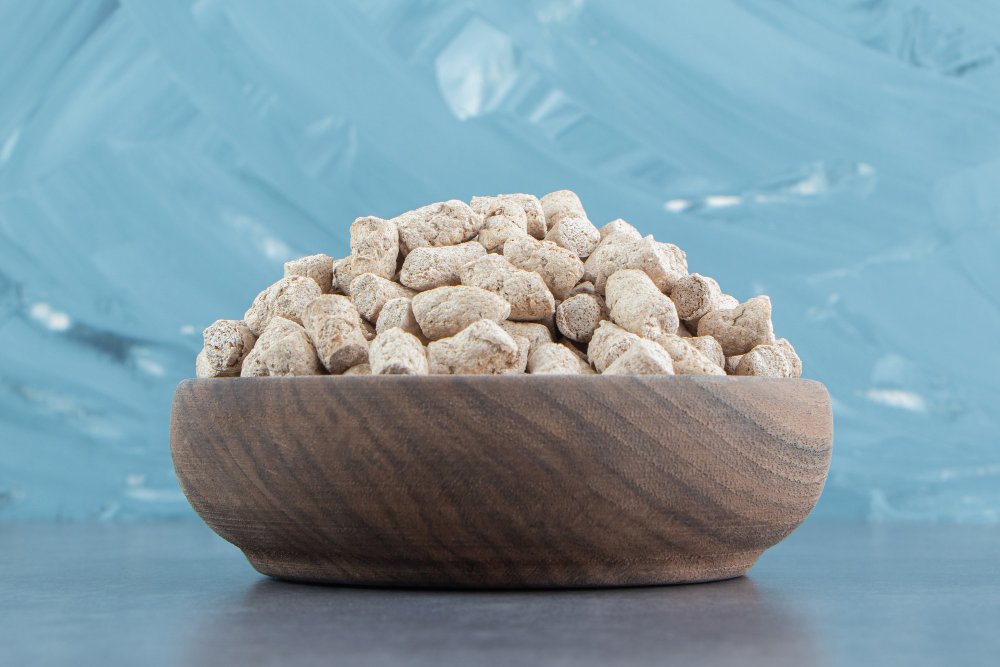
Bentonite stone, also called bentonite lumps or bentonite ore, is the raw mineral in its solid, chunky form as mined. It consists primarily of montmorillonite, a soft clay mineral that imparts to bentonite its signature property: the ability to absorb water and to expand to many times its dry volume. In its raw lump form, bentonite looks like a common soft, chalky rock in colour, from cream and yellow to green, grey, or brown depending on the minerals mixed in during formation.
Once mined, they are either sold as-is for some industrial uses or sent for further processing into finer powders for other applications. Both the lump and powder forms are commonly offered by bentonite manufacturers, and the buyer’s choice depends entirely on the intended use.
How Is Bentonite Formed?
Bentonite is the result of slow natural geological processes. The Wyoming State Geological Survey says bentonite is a hydrous silicate of alumina, also known as montmorillonite clay, that was created by the alteration of volcanic ash over long periods of time.
In layman’s terms, volcanic ash lands on water, usually an ancient sea floor, and then slowly weathers and interacts with the surrounding minerals over millions of years. This process turns the glassy volcanic ash into montmorillonite, the soft, absorbent clay rock known as bentonite. When eroded or mined from the surface, this rock is the lumps or “stones” mentioned in bentonite-stone searches.
Bentonite Stone vs Bentonite Powder: What’s the Difference?
Here’s a quick side-by-side comparison:
| Feature | Bentonite Stone (Lumps) | Bentonite Powder |
| Form | Solid, chunky, rock-like pieces | Fine, milled powder |
| Processing | Minimal, mostly just dried and sized | Crushed, dried, and ground finer |
| Common uses | Drilling mud, foundry sand, iron ore pelletizing, chemical industry | Cosmetics, agriculture, pet litter, pharmaceuticals, food-grade applications |
| Hydration speed | Slower, since larger pieces take longer to absorb water | Faster, since fine particles hydrate more quickly |
| Typical buyers | Industrial and construction sectors buying in bulk | Cosmetic, agricultural, and specialty manufacturers |
Both are made from the same raw material. The difference is in the degree of processing that has been done and the end application’s needs.
Common Types of Bentonite Stone
Bentonite is generally classified into two main types, based on the principal exchangeable cation in its structure.
- Stone sodium bentonite. This type of substance swells a lot when it comes into contact with water, sometimes up to several times its original volume. It is the preferred choice for drilling mud, pond sealing, and foundry applications where high swelling and binding strength matter.
- Calcium bentonite. Stone. This kind has less swelling but has strong adsorptive and binding properties. It is used extensively in agriculture, animal feed, and cosmetic-grade applications where lower swelling is more important than maximum swelling.
It all depends on the application of which type of buyer is needed. For construction and drilling work, sodium bentonite water stop is the usual choice, while calcium bentonite finds more application in softer, consumer-facing applications.
What Is Bentonite Stone Used For?
When mined, bentonite lumps are used for a variety of industrial and commercial purposes. Typical uses are:
- Oil and gas drilling. Bentonite is added to drilling fluid to seal borehole walls, lubricate the drill bit, and carry rock cuttings to the surface.
- Moulds, foundry sand, are used as a binder to bind the sand moulds used in metal casting together.
- Pelletising iron ore. Bentonite is used to bind fine iron ore particles into pellets for steelmaking.
- Pond sealing and civil engineering. Because of its swelling properties, it is useful as a liner for ponds, landfills, and other structures where a low-permeability barrier is required.
- Agriculture. – Bentonite improves the quality of soil, holds water, and acts as a vehicle for pesticides and fertilisers.
- Chemical and industrial processing. Used as an adsorbent and processing aid in a variety of manufacturing sectors.
Bentonite clay for constipation is sometimes referred to as the “clay of a thousand uses” because of the wide applicability of its swelling, binding, and adsorptive properties in construction, drilling, and industrial products, according to the Minerals Education Coalition.
Bentonite Stone vs Benitoite: Don’t Confuse These Two
This is worth clearing up, as the names look and sound almost the same. Bentonite and benitoite are two very different minerals.
- Bentonite is an absorbent clay that is used in drilling, construction, agriculture, and cosmetics.
- Benitoite is a rare blue gemstone found almost exclusively in San Benito County, California, and has absolutely nothing to do with clay.
You might have meant benitoite if you searched for “bentonite stone” and were looking for a blue gemstone. The two names are easy to confuse, but they are two completely different materials with two completely different uses and values.
How Bentonite Stone Is Processed Into Usable Grades
The journey from raw bentonite lumps to manufacturers’ shelves is rather straightforward.
The general sequence is:
- Mining. Most deposits of bentonite are found within 50 feet of the surface, so it is usually surface mined.
- Initial dry-out. Freshly mined bentonite is very wet and must be dried down to a usable moisture content in rotary driers, for example.
- Size. The dried material is either left in lump form for certain applications or milled further to a fine powder for others.
- Grading and testing. Bentonite is tested for swelling capacity, pH, moisture content, and other technical properties to sort it into specific grades for drilling, foundry, cosmetic, or agricultural use.
- Shipping and packaging. Finished lumps or powder is packed into bags or bulk containers for shipment to industrial buyers.
This is how the same raw bentonite stone can be used for very different things, from an oil rig to a face mask, depending on how it is graded and processed afterward.
Where Bentonite Stone Comes From in India
India has some of the largest deposits of bentonite in the country, particularly in the Kutch region of Gujarat. CMS Industries is a bentonite manufacturer based in Mandvi Taluka, Gujarat. They mine and process bentonite from this region and produce bentonite lumps and powder in various grades, such as sodium, calcium, drilling, foundry, and cosmetic grade. These are located in places like Vandh, Pundi, Sherdi-Mandvi, and Miyani, which are part of the bigger Kutch bentonite belt.
The quality of the bentonite stone is dependent on the specific bentonite deposit and mining location. For industrial consumers requiring uniform swelling characteristics, moisture content, and purity in bulk shipments, it does make a difference to buy from a known processor. CMS Industries has information on its website about the different grades of bentonite that are available for purchase, starting from the raw lump form.
The Bottom Line
Bentonite stone is just bentonite clay in its natural lump form, mined directly from deposits made from ancient volcanic ash. Depending on how it is further processed, this raw material is transformed into one of two main types – sodium or calcium bentonite – suitable for a variety of industrial, agricultural, or cosmetic uses. Whether you need big lumps for drilling and construction or fine powder for cosmetics and agriculture, understanding this raw-to-refined journey helps explain why you’ll find bentonite in so many products.
Frequently Asked Questions
Is bentonite stone the same as bentonite clay?
Yes. Bentonite stone is the raw, lump form of bentonite clay before it is ground into powder. They are both the same mineral deposit and have the same properties, just a different physical form.
What is the difference between bentonite stone and benitoite?
The names sound similar, but they are totally different minerals. Bentonite is a common industrial and agricultural absorbent clay. Benitoite is a rare blue gem found only in California and is not related to clay.
Can bentonite stone be used directly without processing?
It depends on the use. Some industrial uses, such as some chemical processes, can use bentonite lumps directly. However, most cosmetic, pharmaceutical, and agricultural uses require the bentonite to be milled to a finer powder prior to use.
Where is bentonite stone mainly mined in India?
Kutch in Gujarat has some of the largest deposits of bentonite in the country. Manufacturers in the region mine and process sodium and calcium bentonite, in lump and powder form, for domestic use and export.
Does bentonite stone swell the same way as bentonite powder?
Both forms swell when they absorb water, but powder tends to hydrate faster because it has more surface area exposed to water than solid lumps do.