


Today, you will find bentonite clay in face packs, soaps, and even hair masks in any natural skincare aisle in India. There is nothing new about this. For centuries, this fine volcanic clay has been used to draw oil and impurities from the skin. But bentonite dust is not something you just scoop up and slap on your face. The difference between glowing skin and a face that feels unnecessarily dry and tight is getting the ratio, the timing, and the aftercare right.
And that’s why this guide exists: to walk you through exactly how to use bentonite dust for skin, safely and effectively.
What Is Bentonite Dust?
As the volcanic ash erodes over thousands of years, it produces bentonite dust (or bentonite clay powder). The result is a powder of fine mineral, rich in montmorillonite, which imbues a strong negative electrical charge. Add water, and it expands to a gel-like paste. Most oils, dirt, and impurities on your skin are positively charged, so the clay attracts them and drags them away when you rinse.
You will find two main types:
- Calcium bentonite: milder, lower pH, and generally considered gentler on the skin. This is the type most often used in cosmetic-grade products.
- Sodium bentonite: a more aggressive swelling and drawing power. Widely used in industrial applications, but it can be too harsh for use on the face directly.
CMS Industries, a Gujarat-based bentonite manufacturer, manufactures a cosmetic-grade calcium bentonite manufacturers under the brand name CMS COSMETICBENT®, which is processed with low free silica and controlled pH for skin and hair contact. Not all bentonite products on the market are graded this way, so it’s worth checking whether a supplier processes their clay for cosmetic use before you buy.
How to Use Bentonite Dust for Skin: Step by Step
- Try these steps for a simple, effective face mask at home.
- First, do a patch test. Mix a little clay with water and put it on your inner arm. Wait 24 hours. If you don’t see any redness, itching, or irritation, you are good to go on your face.
- Select a non-metal bowl and spoon. Bentonite clay can react with metal, which can reduce its effectiveness. Use ceramic, wooden, or glass utensils.
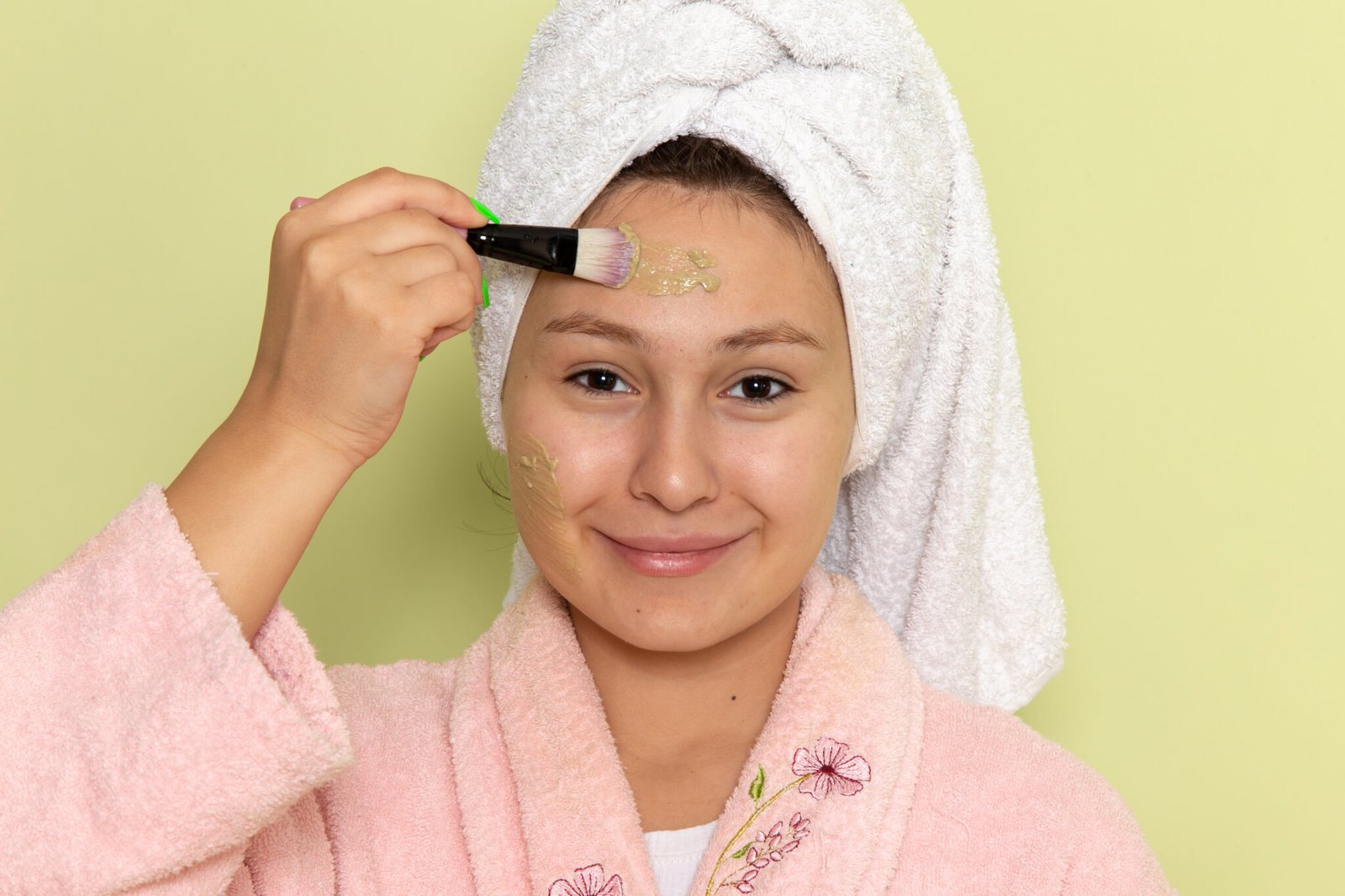
- Combine the paste. Mix 1 part bentonite dust to 1 part liquid, either plain water or diluted apple cider vinegar. Mix until smooth and lump-free, the consistency of yoghurt.
- Apply a thin, uniform coat. Apply the paste using clean fingers or a mask brush on freshly cleansed dry skin. Do not use on the eyes and lips.
- Let it be. If you have normal and oily skin, leave it on for 10 to 15 minutes. If you have dry or sensitive skin, start with 5 to 8 minutes so the clay won’t draw too much moisture from your skin.
- Rinse before it sets completely. When it begins to tighten, but before it completely cracks, gently remove the mask with lukewarm water and a soft washcloth.
- Finish with a moisturiser. Bentonite clay is used for water purification is very absorbent, so you may find your skin feeling dry or tight after. Finally, apply a light, non-comedogenic moisturiser.
How Often Should You Use It?
This is where most people fail. Bentonite suppliment Clay – More Is Not Best.
- Oily or acne-prone skin: Once or twice a week
- Normal/combination skin: once a week
- Dry or sensitive skin: once every 10 to 14 days, for a shorter time of application
Using it more than this can strip your skin of its natural oils, leaving it irritated instead of refreshed.
Beyond the Face: Other Skin Uses
Bentonite dust isn’t just for facial masks. Some typical applications are
- Spot treatment: Apply a small amount of paste directly on a blemish to reduce oil and inflammation overnight.
- Body or underarm mask: Prepare a thicker paste and spread it on oily or odour-prone parts such as the underarms or feet; rinse away after 10 to 15 minutes.
- Bentonite Dust Bath Soak: Add a cup of bentonite dust to warm bathwater for a full-body soak, and rinse off thoroughly afterward.
What to Check Before You Buy Bentonite Dust
Not all bentonite powder is created equal, and the grade is more important than you think.
- Look for cosmetic-grade clay. Industrial-grade bentonite for drilling or civil engineering is not processed or tested for skin contact.
- Test pH. A lower pH profile is gentler and less likely to strip the skin of the natural acid mantle.
- Check silica content. Lower free silica means less skin irritation.
- Make sure the source is tested for purity. Clay is formed underground, so trace heavy metals can be naturally occurring, making a supplier that tests batches for contaminants a safer bet.
CMS Industries created its CMS COSMETICBENT® and CMS CALCIUMBENT® grades to meet the needs of personal care manufacturers that require this level of consistency. CMS supplies calcium bentonite processed with controlled pH and low free silica for skin and hair formulations.
Next Steps
If you are using bentonite dust for the first time, then take it slow. Patch test it and use it once a week, and see how your skin does before increasing. If you’re formulating a skincare product or buying bentonite products in bulk, working with a supplier that can provide grade specifications and purity data, such as CMS Industries, makes it easier to achieve consistent results from batch to batch.
Frequently Asked Questions
- Can I use bentonite dust on my face every day?
No. Daily use can dry out the skin and break the natural barrier. Most dermatologists say people with oily skin should do it once or twice a week, and those with dry or sensitive skin even less often.
- Should I mix bentonite clay with water or apple cider vinegar?
Water is softer, so it is good for sensitive skin. Diluted apple cider vinegar will make for a smoother paste and offer mild exfoliation, particularly if your skin is sensitive to acids.
- Why does my skin feel tight after a bentonite clay mask?
That’s normal. Bentonite is super absorbent and pulls oil and moisture from the skin. Use a moisturiser right after rinsing to restore comfort and hydration.
- Is bentonite dust safe for sensitive skin?
Calcium bentonite is less alkaline and usually better for sensitive skin than sodium bentonite. Always do a patch test first, and don’t leave the mask on for too long.
- Can I use bentonite clay on my body, not just my face?
Yes. Works well as an underarm mask, foot treatment, or full body soak in a warm bath. Apply the same principle of shorter contact time for delicate areas.