


If you’ve been on any wellness forums or on Instagram, you’ve probably seen bentonite clay marketed as a “detox” powder to mix with water and drink. It comes in jars, pouches, and capsules, often labelled as a clay supplement or detox clay. But what is it really? Where does it come from, and should you be putting it into your body? Let’s do this the right way, without the hype.
What is a Bentonite supplement?
A bentonite supplement is a formulation of bentonite clay (typically sodium or calcium bentonite) that is food-grade or pharmaceutical-grade and marketed in the form of a powder, liquid suspension, or capsule for oral or topical use. Its marketed uses are primarily for digestive support, for skin application, and for so-called detoxification.
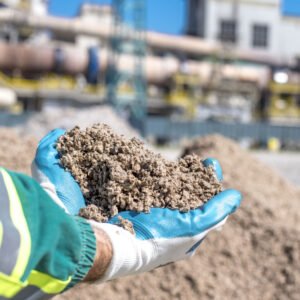
Bentonite is a natural clay, formed from weathered volcanic ash and chiefly consisting of the mineral montmorillonite. It is used in its raw, industrial form in construction, oil drilling, foundry work, and agriculture. The supplement version is a more refined, purity-tested product for human consumption, but as we will get into, that distinction is not always as cut and dry as it should be.
Where Does the Idea Come From? A Look at Traditional Clay Eating
The eating of clay is not a new practice. The practice, scientifically known as geophagy, has been recorded in cultures across the globe for centuries. Wikipedia has a good overview of geophagia. Bentonite clay is used worldwide as a digestive aid. Kaolin is also used as a digestive aid. Another clay, attapulgite, is an active ingredient in several antidiarrheal medicines. Some scientists think the reason humans and animals eat clay is that some minerals attach to toxins and bugs in the gut and help push them out safely.
Clay-based products sold for ingestion today are basically a packaged, branded version of this ancient practice. Marketing language has changed (words like “detox” and “gut cleanse” are used a lot), but the basic idea, eating clay for digestive or health reasons, goes back a long way.
Why Do People Take Bentonite Clay Orally?
Generally, people use oral bentonite clay for one of the following reasons.
- Digestive support – may be used for occasional bloating, gas, or loose motions
- Detox claims – marketed as a means to “pull out” heavy metals and toxins from the body
- Skin application – used as a face mask or paste when applied topically for oily or acne-prone skin
- Mineral content – clay will naturally have calcium, magnesium, iron, and other trace minerals
It’s important to be clear that most of these claims are based on traditional use and product marketing rather than robust clinical evidence. Bentonite waterstop clay is well documented outside the body for its ability to bind to positively charged particles, and this is the reason it works so well as a drilling fluid additive or pond sealant. Is the same binding action safe and beneficial once swallowed? That’s a whole different question.
Does Bentonite Actually Detox the Body?
This is where a lot of the marketing gets ahead of the science. One of the benefits most often touted is that bentonite is good at drawing out heavy metals, lead in particular. That research, however, was done on water treatment and industrial effluent, not the human digestive system. Clay binding to lead in a water sample is a completely different chemical environment than clay sitting in your stomach acid.
Some early livestock research indicates that a montmorillonite-based composite reduced the concentration of lead in the blood, brain, liver, bone, kidney, and hair of pigs fed the mineral. This kind of animal feed application is well established, and bentonite is therefore already an approved additive in the animal feed industry. However, findings in pigs from a controlled feed trial do not necessarily translate into a validated detox protocol for humans, and no major health authority currently recommends bentonite clay as a human detox treatment.
Safety Concerns You Should Actually Know About
This is the part most product listings don’t lead with, and it deserves more attention than a passing disclaimer.
In 2016, the U.S. Food and Drug Administration issued a warning after its laboratories detected high levels of lead in “Best Bentonite Clay good for rashes“, a product promoted for consumption and topical use. Around the same time, the FDA warned about “Bentonite Me Baby” by Alikay Naturals, a clay marketed for internal use as well as for use on hair and skin, after lab tests found high levels of lead. Independent lab testing of that same product measured lead levels in the range of 29 to 37.5 parts per million, high enough to cause real concern, especially for children and pregnant women.
And here is the important part that many people forget – when it is sitting in water or soil outside the body, clay binds lead. But once inside the stomach, stomach acid can leach that same bound lead out and allow it to absorb into your system. In other words, the same property that makes bentonite useful for water treatment can be detrimental to you when you eat it if the clay itself has not been properly tested and purified.
Besides heavy metals, doctors cite a handful of other real risks with oral clay use:
- Bowel obstruction, especially with larger or repeated doses
- Electrolyte disturbances, including reports of hypokalaemia
- Interfering with the absorption of medication, as clay can bind to certain drugs in the gut.
- Risk of contamination from unregulated sourcing: clay is a natural, unrefined substance unless properly tested
This is not to say that all clay products sold for ingestion are unsafe. It means the safety of any given product is largely dictated by where the clay was mined, how it was processed, and whether it was subjected to independent testing for heavy metals and microbial contamination before it was sold for ingestion.
Who Should Be Extra Cautious
- Pregnant or nursing women
- Little kids
- Kidney patients, because clay minerals are processed differently by failing kidneys
- Interference with absorption is possible for those on regular prescribed medication.
- Any person with a history of bowel obstruction or chronic constipation
If you belong to any of these categories, a discussion with your physician before trying an oral bentonite product is a wise, not overly cautious, move.
Industrial Bentonite vs. Supplement-Grade Bentonite: Know the Difference
This is a difference worth knowing, especially if you’re looking for bentonite clay online and coming across manufacturer websites that were never built for the wellness market.
Most of the bentonite produced globally, including in India, is processed for industrial and agricultural use and not for human consumption. For example, CMS Industries is a bentonite manufacturer based in Gujarat, processing and exporting bentonite for oil drilling, foundry work, civil engineering, animal feed, and cosmetics. That is a totally different standard of processing, purity testing protocol, and end use than a clay marketed as an oral supplement.
If you do buy bentonite clay for human ingestion, ensure that the seller explicitly states that the product has been tested and certified safe for internal consumption by humans and that it is not from an industrial or cosmetic grade bentonite line. This single check eliminates a lot of bad products.
How to Approach Oral Bentonite Clay Sensibly
If you’re still curious to try one, here’s a practical checklist.
- Seek lab testing by a third party. Look for a certificate of analysis for heavy metals such as lead, arsenic, and mercury.
- Ensure that it is clearly marked for internal use only. Cosmetic-grade bentonite is not the same as industrial-grade bentonite.
- Start with a very small quantity. Avoid “detox cleanse” dosing charts that advise you to take large doses daily.
- Remove it from medicines. Space them a few hours apart so it does not interfere with absorption.
- Watch for side effects. Stop right away if you get constipation, cramping, or unusual tiredness.
Before trying, check with a healthcare provider, especially if you’re pregnant, have a chronic condition, or take regular medication.
The Bottom Line
Clay for ingestion is a purified form of a naturally occurring mineral that is being marketed with claims that far exceed what current research can support. The traditional practice of eating clay is real and has been around for centuries, but that does not mean that all commercial bentonite products are safe or effective. The FDA warnings about lead contamination that have been documented are not a fringe concern. If you choose to go with one, they really are a reason to be selective about sourcing.
Bentonite has many proven, valuable uses, such as sealing ponds, conditioning soil, and binding animal feed. Companies such as CMS Industries have built whole businesses processing bentonite for these industrial and agricultural uses. However, a “useful industrial mineral” and a “safe daily supplement” are not automatically the same thing, and it’s worth keeping that distinction in mind before adding any clay product to your diet.
Frequently Asked Questions
- Is bentonite clay safe to eat every day?
Not really. Everyday use means you are exposed to any contaminants the clay may contain, such as lead, more frequently. The risks of occasional or short-term use of a properly tested product are less than the risks of daily long-term use without medical guidance.
- Can bentonite clay actually remove toxins from the body?
There is little human research to confirm this. Most binding studies are performed in water treatment or animal feed and not in the human digestive tract. Healthy scepticism is in order until more direct clinical evidence exists to support detox claims.
- What is the difference between sodium and calcium bentonite in supplements?
Liquid detox drinks often have sodium bentonite, which swells more in water. Calcium bentonite is more common in masks and topical pastes and swells less. Neither eliminates the need for purity testing prior to ingestion.
- Can I use industrial bentonite clay as a supplement?
No. Industrial and agricultural bentonite is neither tested nor processed to food safety standards. Use only clay that is marked and tested for internal human consumption.
- Are bentonite face masks safer than drinking bentonite clay?
Topical use is generally less risky than ingestion in terms of systemic effects because less material is absorbed through the skin. That said, FDA warnings have included oral products as well as topical ones, so it still makes sense to check for lead testing either way.