


Bentonite shows up in two very different corners of the food world. On one side, it is a genuine, regulated processing aid used to clarify wine, refine edible oils, and bind mycotoxins in animal feed. On the other, it is marketed directly to consumers as a “detox” clay meant to be mixed with water and swallowed. These are not the same conversation, and mixing them up is where a lot of confusion, and real safety risk, comes from.
This guide separates the two, looks honestly at what the evidence and regulators actually say about edible bentonite clay, and lays out what a buyer sourcing food-grade bentonite should verify before using it in any food-contact application.
What Does “Food-Grade” or “Edible” Bentonite Actually Mean?
“Food-grade” is not a single, universal label. It generally refers to bentonite that has been processed and tested to meet a recognized purity standard, most commonly the Food Chemicals Codex in the United States, which sets limits on heavy metals and other contaminants for substances used in or around food. Meeting this standard means the material has been tested against specific thresholds, not that every supplier applies identical processing or testing rigor. The term gets used loosely across the industry, which is exactly why a buyer cannot rely on the label alone.
Legitimate Food-Industry Uses for Bentonite
Several established, regulated uses of bentonite in the food and beverage sector exist well outside the consumer wellness trend:
- Wine, beer, and juice clarification. Bentonite binds proteins and haze-causing particles in fermented beverages, settling them out to produce a clearer finished product. This is a long-standing, widely accepted practice in winemaking and brewing.
- Edible oil refining. Activated bentonite, also called bleaching earth, is mixed into crude vegetable oil to adsorb pigments, trace metals, and other impurities before the oil is filtered and finished for sale.
- Pharmaceutical excipient use. Purified bentonite serves as a binder, disintegrant, or suspending agent in some tablet and topical pharmaceutical formulations, under pharmacopoeial quality standards.
- Animal feed additive. Bentonite, particularly the calcium variety, is approved in several jurisdictions as a feed additive for binding aflatoxins in livestock and poultry feed, under specific regulatory inclusion limits.
These applications operate under defined regulatory frameworks and quality specifications, which is a meaningfully different situation from a consumer mixing clay powder into a glass of water at home.
The Wellness Trend: Eating Bentonite Clay for “Detox”
Bentonite clay has developed a following in wellness circles, where it gets marketed as a way to bind and remove toxins from the digestive system. This use case is where the real safety concerns concentrate, and it deserves a direct, evidence-based look rather than repeating marketing claims.
Clinical research supporting internal detox benefits in humans is limited. Most published studies on bentonite’s adsorptive properties focus on specific, narrow applications, such as binding aflatoxins in animal studies, rather than broad human detoxification claims. Health authorities and physicians commonly note that the scientific case for swallowing clay to “detox” the body remains unproven, while the potential harms are well documented.
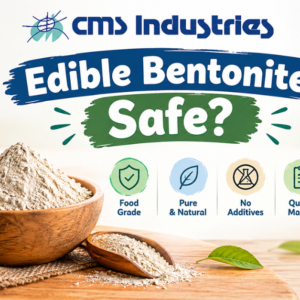
Is Edible Bentonite Clay Safe? What the Evidence Shows
The most serious documented concern is heavy metal contamination. In March 2016, the U.S. Food and Drug Administration issued a public warning against a specific product, “Best Bentonite Clay,” after laboratory testing found elevated lead levels that posed a poisoning risk. The FDA noted that lead exposure can cause serious damage to the central nervous system, kidneys, and immune system, with children facing particularly severe risks from chronic exposure, including cognitive impairment and reduced IQ.
That warning applied to one specific brand, but it illustrates a structural problem rather than an isolated incident. Bentonite is a natural mineral pulled from the earth, and its trace element content, including lead, arsenic, and other heavy metals, depends entirely on the geology of the deposit it came from and how thoroughly the clay was tested and processed afterward. A product being labeled “food-grade” does not automatically confirm that testing was rigorous or that the specific batch a consumer receives meets the standard the label implies.
Beyond contamination risk, bentonite’s non-selective binding ability is a double-edged property. The same adsorptive quality that lets it bind toxins in a controlled industrial process, like wine clarification, does not distinguish between harmful substances and essential nutrients when consumed. This raises a real risk of interfering with mineral absorption over repeated use, alongside gastrointestinal concerns like constipation if the clay is not taken with sufficient water.
Why “Food-Grade” Labeling Alone Isn’t a Guarantee
A recurring theme across independent reviews of commercial bentonite products is that both industrial-grade and labeled food-grade clay can contain heavy metals, since the underlying raw material comes from the same class of natural deposits. The label signals that a supplier claims to meet a specific standard, not that every unit shipped has been independently verified against it. This is exactly why sourcing decisions for food-contact bentonite safe for cows need to go beyond checking a product description.
What Buyers Sourcing Food-Grade Bentonite Should Verify
For a business sourcing bentonite dust for skin for a legitimate food-industry application, such as beverage clarification, oil refining, or pharmaceutical formulation, a proper due diligence checklist looks like this:
- Request third-party heavy metal test results. Ask specifically for lead, arsenic, cadmium, and mercury levels from an independent laboratory, not just a supplier’s internal claim.
- Confirm compliance with a recognized standard. Food Chemicals Codex compliance in the U.S., relevant pharmacopoeial standards for pharmaceutical use, or applicable national food safety regulations should be documented, not assumed.
- Check regulatory registration for your specific application. Wine clarification, oil refining, and animal feed each fall under different regulatory frameworks in most countries, so confirm the grade is approved for your exact use case.
- Ask about source traceability. A supplier who can identify the specific mine or deposit a batch came from is better positioned to explain consistent trace mineral content than one sourcing from mixed, unidentified stock.
- Review microbiological testing. Contamination is not limited to heavy metals. Bacterial content matters for any product intended for food contact or internal use.
- Get batch-specific documentation, not a general spec sheet. Mineral content and contaminant levels can shift between batches from the same supplier, so request current certificates of analysis rather than relying on older or generic documentation.
Regulatory Standards That Apply to Food-Contact Bentonite
Different frameworks apply depending on where the bentonite is used and sold. In the United States, the Food Chemicals Codex sets purity benchmarks for substances used in food processing. In the European Union, bentonite used as a feed additive is registered and regulated by the European Food Safety Authority, with defined inclusion limits for applications like aflatoxin binding. In India, food-contact materials generally fall under FSSAI oversight. A buyer operating across multiple markets needs to confirm which standard actually applies to their specific end use, since meeting one regulatory bar does not automatically satisfy another.
Red Flags When Sourcing Food-Grade Bentonite
A few warning signs are worth taking seriously during supplier evaluation:
- No willingness to share third-party lab results for heavy metals
- Vague or inconsistent claims about which regulatory standard the product meets
- No clear distinction between the supplier’s industrial-grade and food-grade product lines
- Reluctance to provide batch-specific certificates of analysis
- Marketing language focused on broad health claims rather than measurable purity data
Where CMS Industries Fits In
CMS Industries mines and processes sodium and calcium bentonite from the Kutch region of Gujarat under ISO 9001:2015 certified operations, supplying grades across drilling, foundry, civil engineering, cosmetic, and other industrial applications. For any buyer considering bentonite in a food-contact context, whether that is beverage clarification, oil refining, or another regulated use, the practical step is the same regardless of supplier: request current heavy metal test certificates and confirm the specific grade is documented as compliant with the standard governing your intended application before it goes anywhere near a food product.
Final Thoughts
Bentonite has a real, well-established place in food and beverage processing, from clarifying wine to refining edible oils, under defined regulatory standards. The consumer trend of drinking clay for detox purposes sits in a different category, with documented FDA warnings over heavy metal contamination and limited clinical evidence supporting the claimed benefits. For businesses sourcing bentonite for any food-contact application, the label “food-grade” is a starting point for questions, not a substitute for verified, batch-specific testing data. This article is informational and not medical advice. Anyone considering ingesting bentonite clay for health reasons should speak with a healthcare professional first.
Frequently Asked Questions
Is it safe to eat bentonite clay?
Health authorities have documented real risks, including heavy metal contamination and interference with nutrient absorption, and clinical evidence supporting detox claims remains limited. Anyone considering ingesting clay for health reasons should consult a healthcare professional first.
What does “food-grade bentonite” actually certify?
It generally means the product is claimed to meet a recognized purity standard, such as the Food Chemicals Codex, which sets limits on contaminants like heavy metals. The label alone does not confirm independent testing of the specific batch a buyer receives.
Has the FDA ever warned about bentonite clay products?
Yes. In March 2016, the FDA issued a public warning against “Best Bentonite Clay” after laboratory testing found elevated lead levels posing a poisoning risk, and noted this was not the first bentonite product to draw regulatory concern.
What should a business ask for when sourcing food-grade bentonite?
Request third-party heavy metal test results, confirmation of compliance with the relevant regulatory standard for the intended use, batch-specific certificates of analysis, and documentation of source traceability before using bentonite in any food-contact application.
Are all bentonite grades treated the same under food safety regulations?
No. Wine clarification, edible oil refining, animal feed, and pharmaceutical use each fall under different regulatory frameworks in most countries, so a grade approved for one application is not automatically approved for another.