


You’re not alone if you’ve stumbled upon granular bentonite clay and don’t know how to get it to work for you. This natural clay shows up in pond sealing, farming, construction, animal feed, and a dozen other jobs, and the “how” varies depending on what you are trying to do. Let’s break it down so you know precisely where to start.
What Is Granular Bentonite Clay?
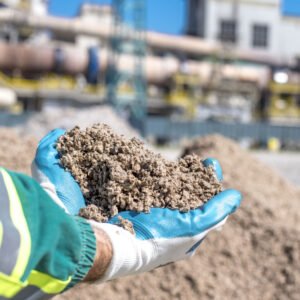
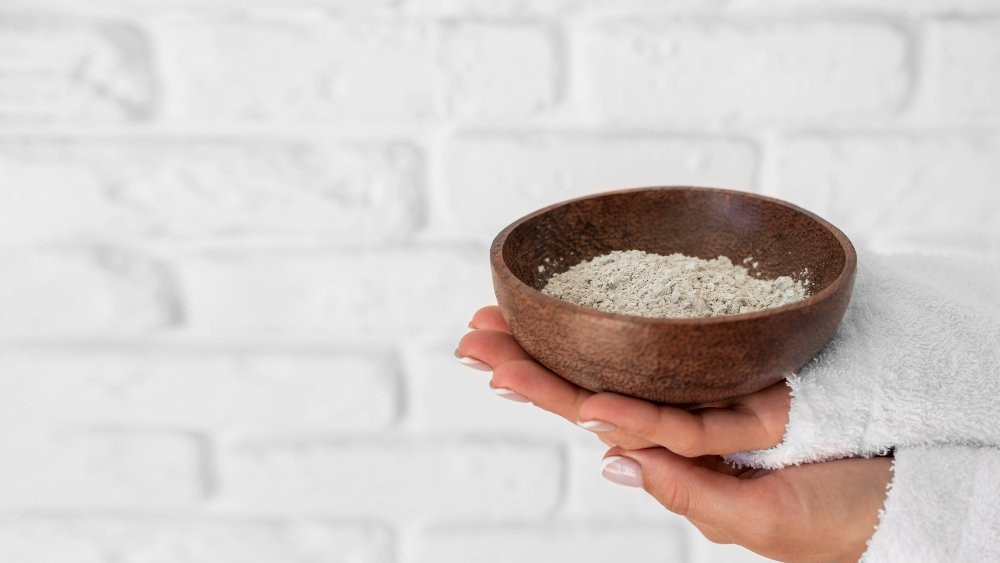
Bentonite is a natural clay, formed from weathered volcanic ash. It is composed mainly of the mineral montmorillonite and occurs in a few physical forms: fine powder, granules, and pellets. Granular bentonite clay is mid-range, coarser than powder but finer than pellets. Granular clay is typically screened to a certain mesh size for consistent handling.
Bentonite is a very useful material because it swells. When it comes into contact with water, sodium bentonite can absorb many times its weight in liquid and can expand up to 15 times its dry volume. That one characteristic is what makes clay a sealant, binder, and moisture regulator in many industries.
The granular form is used when it is desired to be applied in a controlled and less dusty manner, such as broadcasting over soil, filling voids, or blending into a mix on site.
Common Uses of Granular Bentonite Clay
Before we get to the how-to steps, it’s helpful to understand where granular bentonite fits in.
The main applications are:
- Pond and lagoon sealing – decreases water seepage through porous soil
- Landfill and liner projects – limits movement of water and contaminants
- Well and borehole plugging – seals off abandoned wells
- Soil amendment in agriculture – increases water and nutrient-holding capacity
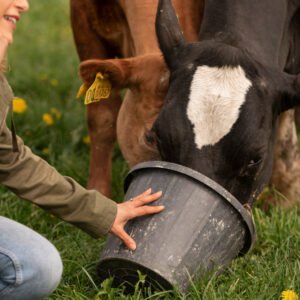
- Animal feed binder – helps pellets stick together and aids digestion
- Foundation waterproofing – fills gaps and points of penetration in below-grade construction
- Cat litter and absorbent – controls moisture and odours, clumps
Each use requires a slightly different method, so let’s cover the most frequently asked about.
How to Use Granular Bentonite Clay for Pond Sealing
Pond Sealing: The most common reason people search for granular bentonite helps in cystic acne clay is probably for pond sealing, so here is the recommended step-by-step approach by soil and water conservation experts.
Step 1: Drain and Prepare the Pond Bed
The pond should be as dry as possible before you begin. Clear the bottom of rocks, roots, and organic debris, because decomposing material can create voids under the sealed layer later.
Step 2: Choose Your Application Rate
How much clay you need depends on the soil type. According to the Missouri University Extension, it should be applied at rates of about one pound per square foot on soils with some clay content and three pounds per square foot on sandy or gravelly soils, applied per four-inch lift. Sandier, coarser soils will always need more bentonite, as the particles need to fill bigger gaps.
The USDA Natural Resources Conservation Service (NRCS) has its own standard for liners made from a compacted soil-bentonite mixture to reduce seepage in ponds and waste storage impoundments: Pond Sealing or Lining, Bentonite Treatment (Practice Code 521C). If you are working on a larger or commercial pond, it is worth checking with your local NRCS office, as they can test your soil and confirm the correct rate and liner thickness for your location.
Step 3: Spread and Mix
For lighter rates, broadcast the granular bentonite clay used for constipation evenly over the pond bottom and sides with a spreader or, for smaller areas, by hand. Then work it into the top few inches of soil with a disc harrow or rotary tiller. Multiple passes mix it up well and don’t leave pockets of dry clay.
Step 4: Compact the Layer
Spread the treated soil, and then compact using a roller or similar equipment. The compaction forces the clay particles into the soil pores. This is what actually creates the seal. At this stage, don’t over-water; too much moisture can reduce the final density.
Step 5: Let It Hydrate
Slowly refill the pond, letting the bentonite swell and settle in place. This can take a few weeks, so don’t expect immediate results. Some methods allow broadcasting bentonite directly over a known leak area at two to three times the normal rate if you are patching a specific leak rather than the whole pond.
Using Granular Bentonite Clay for Soil and Agriculture
Farmers and gardeners working with sandy soils that are low in organic matter often turn to bentonite as a soil conditioner. A five-year field trial published in Scientific Reports showed that bentonite application significantly improved the water-holding capacity of the field and the water available to plants in the upper soil layer, as well as crop emergence, dry matter accumulation, and grain quality. “The clay acts like a sponge in the soil, soaking up water and nutrients in the rain and slowly releasing them during dry spells,” McBroom said.
If using granular bentonite in a garden bed or field:
- First, test your soil. Bentonite works best on sandy or loamy soils that are unable to hold moisture.
- Make sure the granules are evenly spread over the surface at the rate recommended for your soil type.
- Incorporate it into the top layer with organic matter such as compost or manure. Bentonite combined with organic amendments usually gives better results than bentonite alone.
- Water the area to help the clay start to bind with the soil.
- Don’t overdo it. Too much bentonite will make the soil too dense and prevent drainage, defeating the purpose of what you are doing.
Using Granular Bentonite Clay in Construction and Waterproofing
Granular bentonite clay is used as a detail material for below-grade construction around penetrations, foundation transitions, and voids where a sheet membrane cannot provide full coverage. W.R. Meadows and other manufacturers say granular bentonite pack materials are intended for waterproofing below-grade structural slabs and construction methods that utilise lagging, concrete caisson, or shotcrete retention walls to cover foundation wall bases, transitions, and penetration detailing.
Typical site steps:
- Pour or hand pack the granular bentonite into the void, gap, or point of penetration.
- Be sure it fits tightly against the adjoining waterproofing membrane with no gaps.
- After detailing is complete, backfill or pour concrete over the area. The clay swells with moisture from the ground over time and seals the joint.
It is a secondary material, not a complete waterproofing system, and is therefore typically used in conjunction with a bentonite membrane or other primary barrier.
Using Granular Bentonite Clay for Well and Borehole Sealing
Granular bentonite is also widely used for sealing decommissioned water wells and boreholes. It is added in stages to the well casing, with each layer being allowed to hydrate and swell before the next layer is added. This step-by-step method prevents bridging of the clay or the development of a partial seal. The same swelling action that seals the bottom of a pond creates a tight plug inside a column of a well and stops the vertical movement of water between layers of soil.
Using Granular Bentonite Clay in Animal Feed
In the animal feed industry, granular or finely ground bentonite is used as a binding and pelleting aid. It helps hold pellets together during manufacturing and can support digestive health when included at low, regulated inclusion rates. Feed-grade bentonite should always meet the purity and safety standards set for animal feed ingredients, so sourcing from a supplier who tests for this is important.
Safety and Handling Tips
- Store granular bentonite in a dry, protected place. Exposing it to moisture before use will cause it to swell and clump prematurely.
- If working with large quantities, wear a dust mask and gloves, particularly in confined spaces.
- Don’t put bentonite in open water until you’re ready to use it, because it will start soaking up moisture as soon as it gets wet.
- Do not blend different grades of bentonites unless required by project specification. Sodium and calcium bentonite are different. Mixing them can mess up your expected swell and seal performance.
CMS Industries is an ISO 9001:2015-certified manufacturer of bentonite, processing bentonite in multiple grades for these very use cases: from civil engineering and pond sealing to agriculture and animal feed. It is important to know the deposit and grade of your bentonite — the swell capacity and particle consistency vary between deposits and processing methods.
Choosing the Right Grade for Your Project
Not all granular bentonite clay is created equal. Sodium bentonite has the highest capacity to swell and is the standard for sealing and waterproofing work. Calcium bentonite, however, does not swell nearly as much and is better suited for jobs like binding foundry sand rather than sealing.
Before buying in bulk, check:
- The type of bentonite (sodium or calcium)
- Size of mesh or grading of granules
- application in mind (sealing, agricultural, feed, or construction)
- Any relevant laboratory test results, such as free swell or moisture content
Suppliers such as CMS Industries provide grade-specific products for various applications, so matching the correct grade for your job from the outset saves you rework later.
Wrapping Up
Granular bentonite clay is a versatile product, but getting good results relies on matching the grade and application method to the task at hand. The principle is the same whether sealing a leaking pond, conditioning sandy soil, or detailing a foundation wall: the clay must contact soil or moisture, be properly spread or placed, and have sufficient time to swell and perform its function. Get those three things right, and the granular bentonite clay will do what it is well known to do.
Let the CMS Industries team help you identify the right bentonite product for your application with project-specific grade recommendations.
Frequently Asked Questions
- What is the difference between granular and powdered bentonite clay?
Granular bentonite is coarser and less dusty and is easier to spread over soil or pack into voids. Powdered bentonite is finer and more evenly spread but makes more dust and is more difficult to handle outdoors in windy conditions.
- How much granular bentonite clay do I need to seal a pond?
Depends on the type of soil you have. Extension guidance recommends about one pound per square foot for soils with some clay content, increasing to three pounds per square foot for sandy or gravelly soils, per four-inch lift. A local soil test will give you the most accurate figure.
- Can granular bentonite clay be used in vegetable gardens?
Yes, in moderate quantities. It helps sandy, fast-draining soil hold water and nutrients better. Mix it with compost or organic matter, but don’t put too much on at once. Too much bentonite can compact the soil and restrict drainage.
- How long does it take for granular bentonite to seal a pond?
After it has been applied and compacted, the clay needs time to hydrate and swell to its full extent when water is reintroduced. Most sources recommend waiting several weeks for the seal to develop fully, especially in larger or deeper areas.
- Is granular bentonite clay safe to handle without protective gear?
It is a natural mineral and non-toxic, but when handled, the dust can irritate the eyes and lungs. A simple dust mask and gloves are suggested when handling large amounts, especially in a closed or poorly ventilated area.