


While reading about bentonite clay, you might have come across the term “bentonite magma” and wondered if it’s just another word for the same thing. It is not. Bentonite magma is a specific pharmaceutical preparation from bentonite clay, not a synonym of bentonite. Think of it this way . Bentonite clay is the base. Bentonite magma is a specific product of the base, in specific measurements, mixed with water, for a specific medical use. We’ll take a look at what each of the words actually means, how they differ, and where they appear in the real world.
What Is Bentonite Clay?
Bentonite clay is a natural mineral clay that comes from the weathering of volcanic ash. It is primarily montmorillonite, a clay mineral of the smectite group that can absorb water and swell to many times its original size. The reason bentonite clay appears in so many industries is this swelling characteristic, along with its fine particle size and adsorptive surface.
Bentonite clay is used according to its grade and processing in the following:
- Face masks and powders (cosmetics and personal care products)
- Oil and gas drilling viscosity control agent
- Foundry work, as a binder for molding sand
- Sealing of ponds and landfills due to its low permeability when hydrated
- Suspending and excipient agents in pharmaceutical formulations
Bentonite clay, in its raw or powdered form, is dry. You yourself add water to it in any ratio you like for your purpose. That’s an important detail, and that’s where the bentonite magma comes in.
What Is Bentonite Magma?
Bentonite magma is an official pharmaceutical preparation, listed in the National Formulary (NF), a companion reference to the United States Pharmacopoeia (USP). Bentonite magma is prepared as a suspension of bentonite in purified water at a specific concentration of about 5% bentonite by weight. Bentonite magma is used as a suspending agent for insoluble medications.
Bentonite magma is, simply put, bentonite clay that has been hydrated to a specific, consistent concentration so that it can be used by pharmacists and manufacturers as a ready-to-use thickening agent and suspending base for liquid medicines and bentonite clay good for rashes. It’s not the sort of thing you would cook at home. It is based on a specified pharmacopeial formula, intended to assure reproducible, consistent results in drug manufacturing and compounding.
Bentonite Magma vs Bentonite Clay: Key Differences
Here’s a quick rundown of how the two stack up:
| Feature | Bentonite Clay | Bentonite Magma |
| Form | Dry powder or lump | Pre-hydrated liquid suspension |
| Water content | None until added by the user | Fixed at approximately 5% bentonite in purified water |
| Standardization | Varies by grade and supplier | Follows an official NF monograph formula |
| Primary use | Cosmetics, drilling, foundry, sealing, pharma raw material | Suspending agent in pharmaceutical suspensions |
| Preparation | Ready to use as sold | Must be prepared using a defined method |
In short, all bentonite magma starts off as bentonite clay, but not all bentonite clay is converted to bentonite magma. Magma is a specific, standardised product prepared for pharmaceutical compounding.
How Is Bentonite Magma Made?
If you want to know the actual procedure, the pharmacy references list two accepted methods of preparation of Bentonite Magma, USP:
- Mechanical blending approach. Purified water is poured into a blender, and the bentonite powder is added slowly while the machine is running. The mixture is mixed for a few minutes to make a smooth, uniform magma.
- Hydration method: Small quantities of bentonite powder are sprinkled onto hot purified water, ensuring each addition is completely wetted before adding more. The mixture is then allowed to stand for 24 hours to allow complete hydration and is stirred until uniform.
Both techniques are designed to yield the same result: a smooth, pourable, stable suspension that is free of grit and visible lumps a bentonite clay help in food posioning. The reason this consistency is important is that bentonite magma is often used as a base ingredient in other medicated preparations.
What Is Bentonite Magma Actually Used For?
Bentonite magma is almost never found alone as a finished product. It is usually included in other formulations.
Documented uses include:
- Suspending agent for insoluble drugs, assisting active ingredients in remaining evenly dispersed in a liquid instead of settling at the bottom
- An ingredient in calamine lotion, along with zinc oxide, glycerin, and calcium hydroxide, is used to protect the skin topically.
- Chalk mixture, a component of an antacid preparation formerly used in the treatment of certain digestive disorders
- Bentonite magma is thixotropic, meaning it gets thinner when stirred and thickens again when left alone, which helps keep insoluble particles suspended long enough to dose evenly and accurately.
Why Purity Matters for Both Clay and Magma
Bentonite can be used as a raw clay or made into magma. But in pharmaceutical use, purity is always important. Pharmaceutical-grade bentonite is subject to limits for heavy metals, particle size, pH, and microbial content as set out by the USP and European Pharmacopoeia. This is because bentonite in its natural form can contain trace contaminants, depending on the source of the mining, and these must be controlled before the material is fit for use in medicine or skincare.
CMS Industries, a Gujarat, India-based manufacturer of bentonite, makes pharmaceutical-grade bentonite that is processed to meet these purity requirements, as well as separate grades for cosmetic, drilling, and industrial use. As bentonite magma is directly derived from bentonite clay, the quality of the starting material is the quality of the final suspension. If a pharmaceutical company were making bentonite magma, they would buy clay that has been tested and processed by a company like CMS Industries, not the raw ore itself. If you’d like to see how raw bentonite is refined to pharmaceutical-grade standards, CMS Industries has more details on its website.
Which One Should You Actually Be Looking For?
All of this is totally dependent on what you are trying to do:
- If you are after a raw material for cosmetics, skincare, drilling, foundry work, or general industrial use, then you are after bentonite clay in one of its many processed grades.
- Bentonite Magma, NF, is the answer for pharmaceutical compounding or manufacturing operations that require a pre-hydrated suspending agent that meets official monograph specifications.
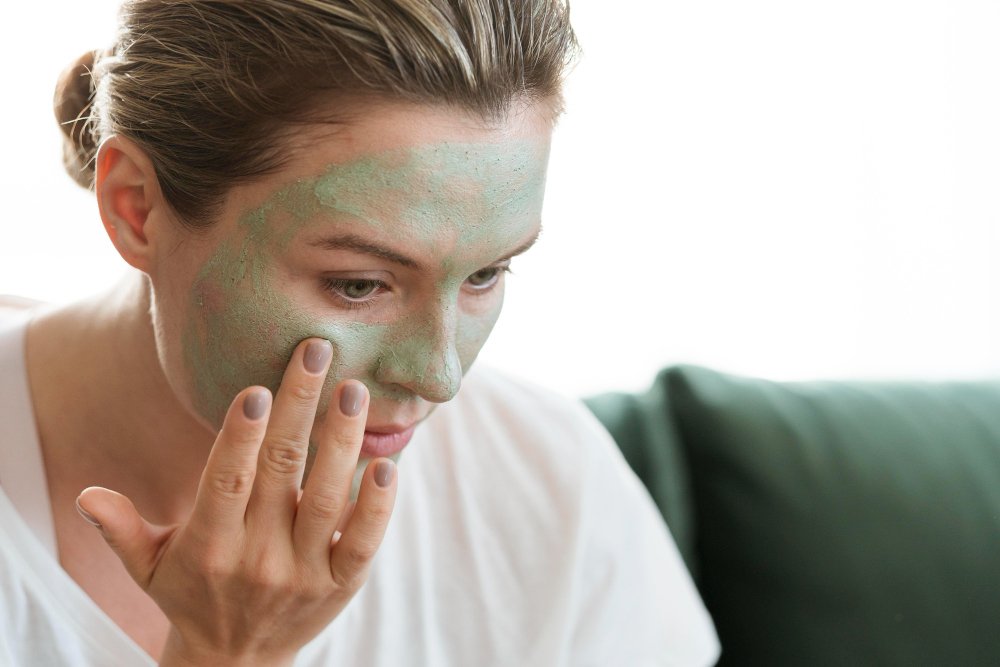
Most who come across “bentonite magma” in their research on skin care or DIY clay masks have no real need for it. That phrase is almost always heard in the context of pharmacy, compounding, or drug manufacturing, not cosmetic or wellness use.
The Bottom Line
Bentonite magma is not the same as bentonite clay, but they are closely related. Bentonite clay is the original mineral substance; bentonite magma is a precise and standardised pharmaceutical suspension of that clay mixed with purified water in a fixed concentration to be used as a suspending agent in medicine. If you work with cosmetics, drilling, or general industrial applications, you need bentonite clay in one of its processed grades. Bentonite Magma, NF: Has a unique formula and prep technique if you’re in pharmaceutical compounding.
Frequently Asked Questions
Is bentonite magma the same as bentonite clay in cosmetics?
No, the pharmacopoeial bentonite magma preparation is not used in cosmetic products. In cosmetics, dry and processed bentonite clay powder is usually used. Bentonite magma is a specific kind of pharmaceutical suspension that is used mainly in drug compounding, not in skin care formulations.
Can I make bentonite magma at home?
Not recommended. Bentonite Magma, NF, is prepared according to an exact pharmacopoeial formula and method of preparation for use in pharmaceuticals. Homemade clay and water are not the same as the standardised product used in compounding.
What does the word “magma” mean in this context?
In pharmacy, magma is a suspension of fine particles in water, forming a gel-like substance. Not molten rock. It is an old pharmaceutical name of preparations like bentonite magma and magnesia magma.
Why is bentonite clay used in medicine?
It’s a suspending agent. This means it keeps insoluble drug particles from settling to the bottom of the bottle so that each dose contains a consistent amount of medication and not an uneven distribution.
Does bentonite clay need to be pharmaceutical grade to be safe?
Depends on what you want it for. Different grades of bentonite are used for skin care and industrial applications where particular purity standards are required. Pharmaceutical-grade material must strictly meet the USP or EP specifications for heavy metals and microbial limits.