


Head down any skincare aisle or scroll through a wellness page, and you will find bentonite clay and activated charcoal sitting side by side in half the products. You’ll see them paired constantly with face masks, soaps, deodorants, and even DIY recipes on Pinterest. But is it really a good idea to combine the two ingredients, or is it just a trend cobbled together for marketing purposes? Let’s look at what each does, if mixing is a good idea, and where you need to be careful.
What Bentonite Clay Does on Its Own
Bentonite clay is a natural clay formed by the weathering of volcanic ash. It is composed mostly of the mineral montmorillonite. It has a negative surface charge, which allows it to attract and bind to positively charged particles, such as oils, impurities, and some minerals. It can also swell dramatically when mixed with water, which is part of the reason it works so well as a base for a face mask and, in a completely different context, as an industrial sealant for ponds and boreholes.
In skincare, this clay is often used to:
- Absorbs excess surface oil
- Helps remove debris from pores
- Leaves oily or combination skin smoother and more matte
What Activated Charcoal Does on Its Own
Activated charcoal looks like regular charcoal, except that it has been prepared to have millions of tiny holes on the surface. This porous structure is what gives it such a high adsorption capacity. In fact, it is used in a medical setting in emergency rooms to treat some types of poisoning. The National Institutes of Health says activated charcoal is a gastrointestinal adsorbent used to treat acute oral poisoning and overdose by binding to drugs and toxins in the gut and reducing the amount absorbed into the bloodstream.
But in skincare, that same binding is used for a gentler purpose. It’s used in masks and cleansers to help lift dirt, oil, and pollutants sitting on the surface of the skin.
So, Can You Use Bentonite Clay and Activated Charcoal Together?
Yes, this combination is commonly used topically and is generally considered safe for most skin types. They operate on the same general principle (binding and lifting away oil and debris) but with slightly different mechanisms, which is why so many skincare brands pair them in the same product.
Here’s a quick glance at how they play together on skin:
| Ingredient | Main Action | Best For |
| Bentonite Clay | Absorbs oil, delivers trace minerals | Oily, combination skin |
| Activated Charcoal | Adsorbs dirt and pollutants via pore structure | Congested pores, dullness |
| Combined | Deeper surface cleanse | Oily skin needing extra detox action |
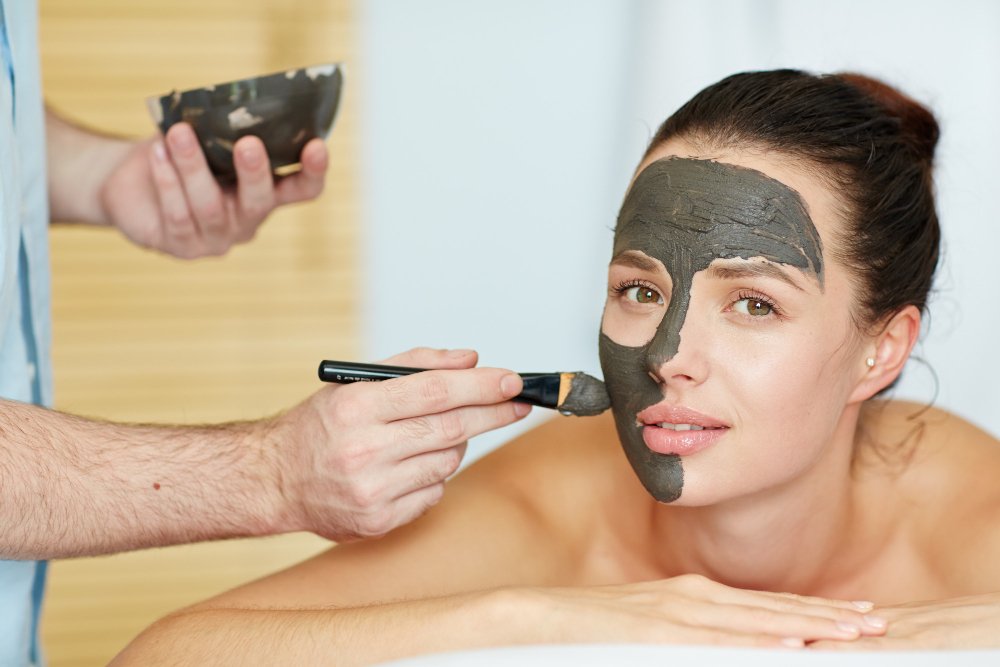
How to Use a Bentonite Clay and Activated Charcoal Mask
If you want to try this combination as a face mask, here is a simple, commonly used way.
- In a non-metal bowl, mix equal parts of clay powder and charcoal powder. Bentonite waterstop may react with metal to reduce its effectiveness.
- Slowly add water or apple cider vinegar to make a smooth, spreadable paste.
- Apply a thin, even layer to clean and dry skin, avoiding the eye area.
- Allow to sit for 8 to 10 minutes. Avoid letting it dry out and crack, as this can be tough on the skin.
- Rinse with tepid water and pat dry.
- Follow with a moisturiser, as both ingredients can be drying when used frequently.
- If you’ve never used either ingredient before, start off once a week and see how your skin reacts before upping frequency.
What About Taking Them Together Internally?
This is where the answer changes completely, and it is worth being blunt about it.
Some wellness content even suggests drinking a mixture of the two for “detox” purposes. This is a very different situation from putting them on your skin, and there are real risks associated with it that most product pages don’t mention clearly enough.
Activated charcoal doesn’t have any selectivity about what it binds to. According to research published through the NIH’s StatPearls resource, using activated charcoal products on a regular basis can reduce the effectiveness of common medications and interfere with the absorption of vitamins, minerals, and antioxidants, which can cause nutrient deficiencies over time. According to a pharmacy professor at the University of Washington, activated charcoal most effectively prevents the absorption of a medication within an hour of ingestion, and larger drug molecules — such as hormone-based medications like birth control pills — are especially likely to be caught by activated charcoal, reports Live Science.
There are also potential issues with bentonite help in cystic acne clay ingestion itself, such as binding to medications in the gut and heavy metal contamination if the clay was not properly tested for purity.
If you combine these two internally, you are layering two different mechanisms of adsorption in your digestive tract simultaneously. Neither ingredient is supposed to be selective, so you could end up affecting both the nutrients you intend to and any medication you are on.
When is charcoal oral actually used?
For the record, activated charcoal does have a real, established medical use. It is used in some cases of poisoning under professional supervision, usually as soon as possible after ingestion. That’s a controlled clinical environment, not a DIY wellness cocktail, and it’s not the same as mixing them together in a drink at home.
Who Should Avoid This Combination Internally
Anyone taking prescription medication, especially birth control, antidepressants, or heart medication.
- Pregnant & Breastfeeding Women
- Anyone with a history of intestinal obstruction or chronic constipation
- Children, without direct medical supervision,
If none of this applies to you, and you still want to know about internal use, consulting a doctor first is a reasonable step, not a hyper-cautious one.
Skin Sensitivity: What to Watch For
But even topical application isn’t without risk for everyone. Some users get irritated, red, or over-dry, especially on sensitive or already compromised skin. You can do a simple patch test on the inside of your arm 24 hours before applying either ingredient to your face to see if you have any reaction before you commit to a full mask.
Signs to discontinue use immediately include:
- Redness that lasts and doesn’t go away after a few hours
- More than a mild tingle, burning, or stinging
- Breakouts that appear rather than clear up after use
- Flaking or excessive tightness that lasts longer than a day
Where the Raw Materials Come From
It is worth knowing that the clay used in cosmetic products is processed differently from the bentonite used in construction, drilling, or agriculture. CMS Industries is an Indian manufacturer of bentonite, which processes bentonite for a variety of uses, including cosmetic-grade material as well as its core industrial lines, such as oil drilling, foundry, and civil engineering bentonite. This distinction is important as the requirements for purity and test standards vary considerably depending on the intended end use.
Activated charcoal is usually made from coconut shells, wood, or coal and undergoes a different processing method. When you buy a ready-made charcoal and clay product, the manufacturer has generally sourced, tested, and blended both ingredients for you and has not mixed them at a raw material level.
The Bottom Line
Many people use this combination of the two ingredients in a mask for oily or congested skin, and it is a well-established, and generally low-risk, practice for topical use. They function through similar but different mechanisms, and using them together for occasional deep cleansing is unlikely to cause harm for most healthy adults if you patch test first and moisturise afterward.
For internal use, the calculation changes. Both bind broadly to anything in the digestive tract, including medications and nutrients. Activated charcoal, in particular, has documented interactions with a long list of common drugs. If you are considering ingesting either one, let alone both together, speak with a doctor first rather than following a wellness trend without medical context.
Frequently Asked Questions
- Can I use a bentonite clay and activated charcoal mask every day?
No, it’s not recommended for daily use. Both ingredients can be drying and can upset the skin’s natural balance of oils if used too much. The majority of recommendations for this type of mask are to use it once or twice a week.
- Is it safe to drink bentonite clay and activated charcoal together?
“That’s riskier than using it topically.” Both bind extensively to the digestive tract, and this can interfere with the absorption of medication and nutrients. Consult your doctor before trying this if you are on regular medication.
- Will a charcoal and clay mask help with acne?
It may help surface oil and congestion, which can help with clearer-looking skin over time. It doesn’t treat the root causes of acne like hormonal imbalance or bacteria, so it works best alongside, not in place of, a proper skincare routine.
- Can I make my own bentonite clay and activated charcoal mask at home?
Yes, many people mix equal parts of both powders with water or apple cider vinegar to make a paste. As with any new product, make sure to patch test before applying to your face. Use a non-metal bowl and spoon, as metal can take the power out of the clay.
- Does activated charcoal stain the skin?
It can give a temporary grey tinge to very fair or sensitive skin, but this usually washes off quickly. Afterwards, use a mild cleanser and refrain from scrubbing vigorously to prevent any residue from getting into pores.